

Why Choosing the Right Setup Matters More Than You Think
Finding the best fish tanks for beginners doesn't have to be overwhelming — but walking into the hobby without a plan usually is.
Here's a quick answer if you're in a hurry:
Best Fish Tanks for Beginners (Quick Picks)
| Tank Size | Why It Works | Best For |
|---|---|---|
| 40–60 litres (10–15 gal) | Stable water, forgiving of mistakes | First tropical community tank |
| 20–40 litres (5–10 gal) | Compact, manageable | Single betta or shrimp |
| 60–80 litres (15–20 gal) | More room, more fish options | Schooling fish, planted tanks |
Top tips for beginners:
- Go for at least 40 litres — bigger tanks are more stable and far more forgiving
- Choose an all-in-one kit with filter, heater and lighting included
- Always cycle your tank before adding fish
- Use a water conditioner like Seachem Prime to treat tap water safely
Most beginners don't struggle because fishkeeping is hard. They struggle because nobody told them the basics upfront.
You buy a tank, fill it with tap water, drop in some fish, and then wonder why everything goes wrong within a week. It's one of the most common stories we hear.
The truth is, a successful aquarium comes down to three things: the right equipment, proper preparation, and a little patience. When those are in place, fishkeeping becomes genuinely enjoyable — and far less stressful.
This guide walks you through everything you need to know, from picking the right tank size to setting it up correctly and keeping it stable long-term.
I'm Nemo Sulaiman — part of the eCommerce and warehouse team at Aquatees Fishland, where I've spent the last two years working hands-on with hundreds of aquarium products and helping customers find the best fish tanks for beginners for their specific needs. Every recommendation in this guide comes from real experience, not guesswork.
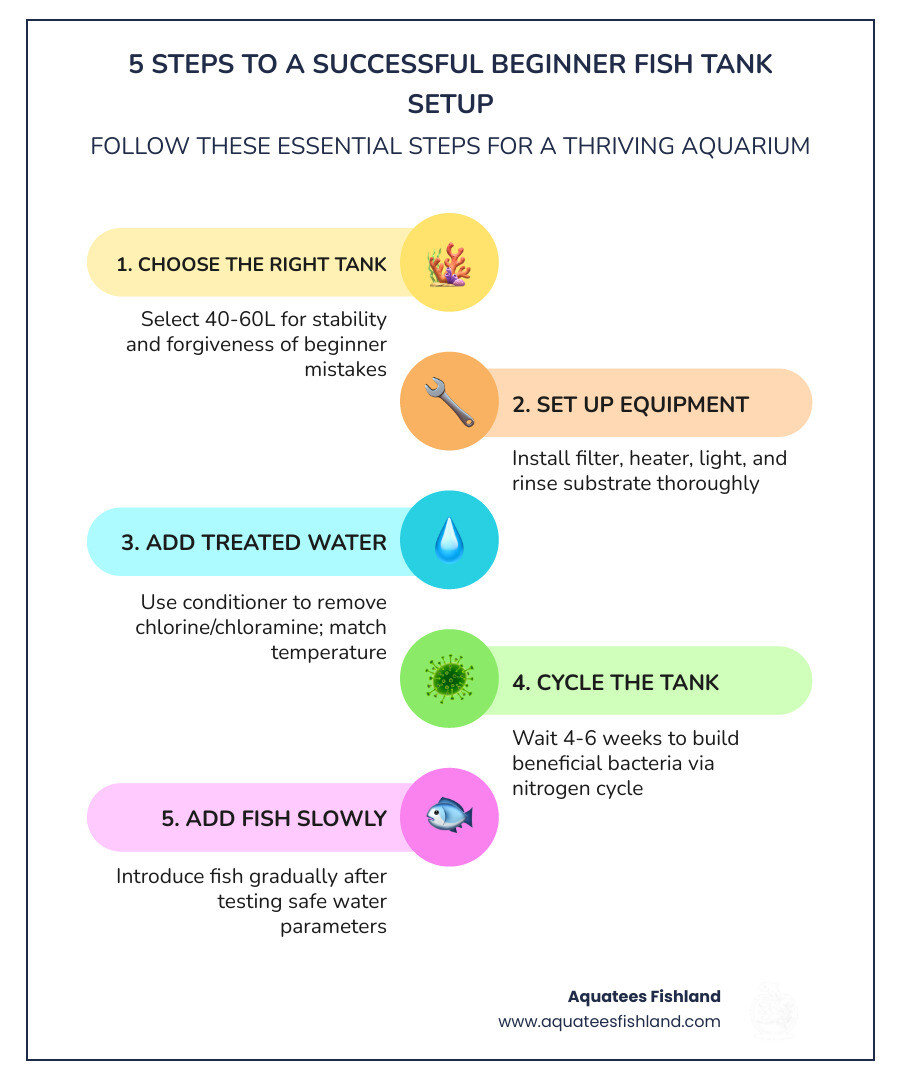
Choosing the Best Fish Tanks for Beginners and Essential Equipment
When you're standing in an aquarium warehouse, the sheer variety of fish tanks can be dizzying. You might be tempted to grab a tiny, cute desktop bowl, thinking it will be easier to clean. In reality, the opposite is true.
The most important rule in fishkeeping is that volume equals stability. In a small 10-litre tank, a single piece of uneaten food can cause a toxic ammonia spike that kills your fish within hours. In a 60-litre tank, that same piece of food is diluted by a much larger volume of water, giving your filter time to process it.
Beyond the tank itself, you need to consider the adult size of the fish you want to keep. A common mistake is buying a small tank for a fish that will eventually grow into a giant. For example, goldfish are often sold as "beginner" fish, but they are actually "poop machines" that require massive filtration and grow quite large. We recommend checking out this guide on the Best Beginner Fish by Tank Size - Aqueon to match your inhabitants to your environment.
Essential equipment for your first setup includes:
- A high-quality filter: Aim for a turnover rate of 4–6 times your tank volume per hour.
- A reliable heater: Essential for tropical setups to maintain a steady 25-26°C.
- Lighting: Necessary for seeing your fish and growing live plants.
- Substrate: Sand or gravel for the bottom of the tank.
Why 40-60 Litre Models are the Best Fish Tanks for Beginners
We consistently recommend 40–60 litre models as the "sweet spot" for new hobbyists. This size is large enough to be chemically stable but small enough to fit on most sturdy pieces of furniture without needing a specialised industrial stand. That a fully set up aquarium weighs about 1.2kg per litre (once you factor in the glass, gravel, and water), so a 60-litre tank will weigh roughly 72kg.
These tanks are incredibly forgiving. If you accidentally overfeed or miss a weekly water change by a day or two, the higher water volume acts as a buffer. Smaller "nano" tanks, while beautiful, require much more precision and are better suited for experienced keepers.
Selecting the Best Fish Tanks for Beginners: Glass vs Acrylic
One of the first choices you'll face is the material of the tank.
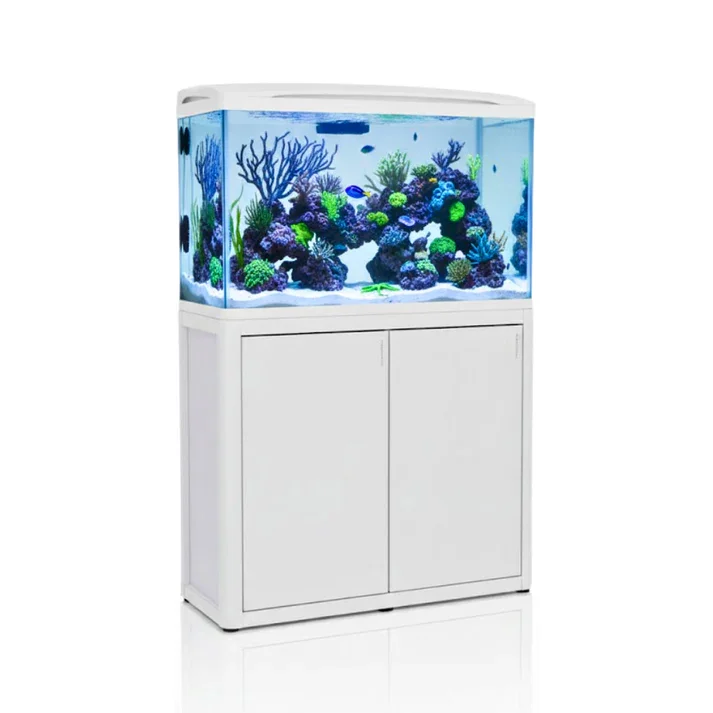
- Glass Aquariums: These are the industry standard for a reason. They are highly scratch-resistant, don't yellow over time, and are generally more affordable. However, they are heavy and can shatter if struck hard.
- Acrylic Aquariums: These are much lighter and clearer than glass, but they scratch very easily—even a bit of sand caught in your cleaning sponge can leave a permanent mark.
For most beginners in Australia, we suggest starting with a glass tank. It allows you to use standard aquarium lighting and aquarium heaters & chillers without worrying about melting or warping the material.
Setting Up Your First Aquarium Properly
Once you’ve brought your tank home to Melbourne or anywhere across Victoria, the excitement builds. But before you add a drop of water, you need to prep.
Step 1: Rinsing Substrate. Never pour sands & gravel straight into the tank. It is filled with dust from the manufacturing process. Place it in a bucket and rinse it with a garden hose until the water runs clear. If you skip this, your tank will look like a glass of milk for a week.
Step 2: Positioning. Place your tank away from direct sunlight. Windows lead to massive algae blooms and can cause the water temperature to swing wildly, stressing your fish. Ensure there is a power outlet nearby for your Hygger heaters and Aqqa pumps.
Step 3: Aquascaping. This is the fun part! Add your rinsed substrate, then place your hardscape (rocks and driftwood). Use aquascaping tools to plant live plants. Live plants aren't just for looks; they help consume nitrates and provide oxygen.
Water Treatment and Initial Filling
Now it's time to fill the tank. Place a saucer on top of the gravel and pour the water onto the saucer—this prevents the water stream from blowing a hole in your beautiful sand layout.
Crucial Warning: Tap water contains chlorine and chloramines. These are added by councils to kill bacteria, but they will also kill your fish by burning their gills. You must use water conditioners every single time you add tap water to your tank.
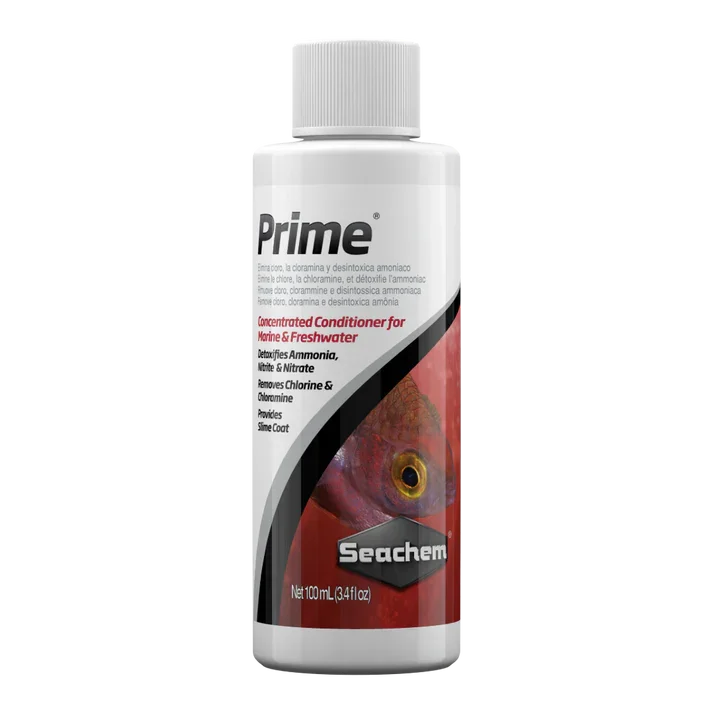
We highly recommend Seachem Prime. It is incredibly concentrated and not only removes chlorine but also detoxifies ammonia and nitrite for 24-48 hours. For those looking for a premium experience, AquaVitro offers professional-grade water care that ensures your environment is pristine from day one.
Cycling Your Aquarium Before Adding Fish
This is where most beginners fail. You cannot add fish to a brand-new tank immediately. If you do, the fish's waste (ammonia) will build up and become toxic because there are no "good bacteria" to eat it. This process of growing these bacteria is called "cycling."
The Nitrogen Cycle typically takes 4–6 weeks.
- Ammonia is produced by fish waste or decaying food.
- Nitrosomonas bacteria eat the ammonia and turn it into Nitrite.
- Nitrobacter bacteria eat the nitrite and turn it into Nitrate.
- You remove the Nitrate through weekly water changes.
To speed this up, use a biological starter. Fritz is our exclusive brand of choice because their bacteria are live and incredibly potent. Adding FritzZyme 7 Nitrifying Bacteria introduces the right colonies immediately. We also suggest using Seachem Stability during the first week to reinforce the bio-filter.
Establishing Biological Filtration
Your filter is the heart of the tank, but the plastic box isn't what cleans the water—the Filter Media inside does. Most beginner kits come with basic carbon cartridges, but for long-term success, you need porous media where bacteria can live.
Seachem Matrix is a high-porosity inorganic solid that provides thousands of square metres of surface area for bacteria. To keep the water crystal clear, we also love Seachem Purigen, which removes organic waste before it can even turn into ammonia.
You’ll know your tank is cycled when your water tests & treatments show 0 Ammonia, 0 Nitrite, and a small reading of Nitrate. Patience here prevents the "New Tank Syndrome" that leads to fish loss.
Best Practices for a Healthy Beginner Aquarium
Once your tank is up and running, consistency is your best friend. A healthy aquarium doesn't happen by accident; it happens through routine aquarium care.

Weekly Maintenance: Perform a 10–20% water change every week. Use a gravel vacuum to suck out fish waste from the substrate. When cleaning your filter Sponges, never rinse them under the tap. The chlorine will kill your beneficial bacteria. Always rinse them in a bucket of old tank water.
Equipment Check: Ensure your Periha pumps are flowing well and your heater is maintaining the correct temperature. For lighting, use a timer to keep your Dymax Lighting on for 8 hours a day. Any longer, and you'll be fighting an uphill battle against algae.
Feeding and Nutrition Guidance
Overfeeding is the number one cause of aquarium problems. Most beginners feed far too much, leading to cloudy water and ammonia spikes.
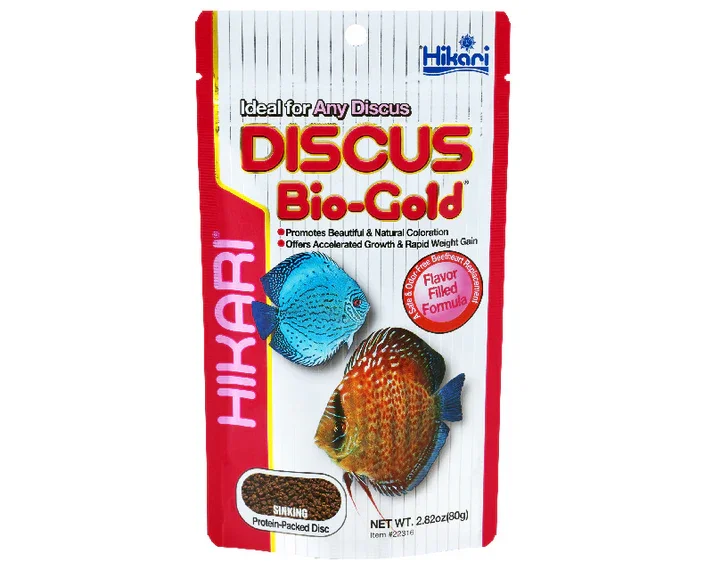
When choosing Fish Food, quality matters. Hikari is the world leader for a reason—their formulas are highly digestible, meaning less waste ends up in your water.
- The 60-Second Rule: Only feed what your fish can completely consume within 30 to 60 seconds.
- Variety: Mix it up with flakes, pellets, and the occasional frozen treat.
- Oxygen: If you notice your fish gasping at the surface, you may need more surface agitation. Adding Air Pumps can help increase gas exchange.
Common Beginner Mistakes and Pain Points
We’ve seen it all at our Melbourne warehouse, and most "disasters" are completely avoidable. If you're feeling unsure, our Aqua Packs are designed to take the guesswork out of what you need.
Here are the big ones to watch out for:
- Adding Fish Too Early: As discussed, the "nitrogen cycle" is non-negotiable.
- Overstocking: Don't try to fit 20 fish in a 40-litre tank. Start slow with 3-4 hardy fish.
- Using "Cheap" Testing: Use reliable Sera testing kits. Strip tests are often inaccurate; liquid drops are much better for monitoring your water quality.
- Untreated Tap Water: One bucket of unconditioned water can wipe out your entire bacterial colony. Always keep Seachem Prime on hand.
- Cleaning Too Much: Don't scrub everything until it's "squeaky clean." You need that "slime" on your filter media—that's where the life-saving bacteria live!
FAQ
How long should I cycle a fish tank before adding fish?
Typically, it takes 4 to 6 weeks for a natural cycle to complete. However, you can speed this up to about a week by using high-quality live bacteria like FritzZyme 7 Nitrifying Bacteria and Seachem Stability. Always test your water before adding livestock to ensure ammonia and nitrite are at zero.
What size fish tank is best for beginners?
A 40 to 60-litre (approx. 10-15 gallon) tank is the gold standard for beginners. It provides enough water volume to be chemically stable and forgiving of small mistakes, while still being manageable for weekly maintenance.
Do I need a filter in every aquarium?
Yes. A filter is the life-support system of your tank. It provides mechanical filtration (removing particles), chemical filtration (removing toxins), and most importantly, biological filtration (housing the bacteria that process fish waste).
Why is my fish tank water cloudy?
Cloudy water in a new tank is usually a "bacterial bloom." This is normal as the environment balances itself out. In established tanks, it's often caused by overfeeding or a dirty filter. Avoid doing a 100% water change, as this makes the problem worse.
How often should I change aquarium water?
We recommend a 10–20% water change once a week. This removes nitrates and replenishes essential minerals that fish and plants need to stay healthy.
Can I use tap water in my fish tank?
Yes, but only if it is treated with a water conditioner like Seachem Prime first. Tap water contains chlorine and heavy metals that are lethal to fish and beneficial bacteria.
Do beginner fish tanks need a heater?
If you are keeping tropical fish (like Bettas, Tetras, or Guppies), yes. They require a stable temperature between 24-27°C. Coldwater fish like White Cloud Mountain Minnows do not require a heater in most Australian homes.
What fish are best for a beginner aquarium?
Hardy species like Zebra Danios, Cherry Barbs, Platies, and Harlequin Rasboras are excellent choices. Bettas are also great for smaller 20-40L setups. Avoid "fancy" goldfish or sensitive species like Discus when starting out.
How often should I feed aquarium fish?
Once a day is plenty for most adult fish. Only feed what they can eat in about 60 seconds. It is much better to underfeed your fish than to overfeed them.
What products do I need to start a fish tank?
At a minimum, you need: the tank, a filter, a heater (for tropical), substrate, water conditioner (Seachem Prime), beneficial bacteria (FritzZyme 7 Nitrifying Bacteria), a net, fish food (Hikari), and a water testing kit.
Setting Up a Fish Tank Properly Makes Fishkeeping Much Easier
Starting your journey as an aquarist is an incredibly rewarding experience. By focusing on stability and preparation from day one, you're not just buying a pet; you're creating a thriving underwater ecosystem.
At Aquatees Fishland, we pride ourselves on being an aquarium warehouse rather than just a shop. Whether you are in Melbourne or elsewhere in Australia, we provide the high-quality supplies you need to succeed. From our exclusive Fritz Aquatics range to luxury tank sets and bargain deals, we have everything to help you avoid common mistakes and get it right the first time.
The secret to a beautiful tank isn't magic—it's the right equipment and a little bit of patience.
- Browse our complete aquarium setup range here
- Shop Fish Tanks
- Explore Aquarium Care Products
- Contact the Aquatees Fishland team for expert advice on your first setup.