

Best Pet Fish for Beginners
The best pet fish for beginners are hardy, low-maintenance species that can handle the occasional beginner mistake without skipping a beat. If you want a quick answer, here it is:
| Fish | Min. Tank Size | Difficulty | Best For |
|---|---|---|---|
| Guppies | 40 litres | Very Easy | Colourful community tanks |
| Betta Fish | 20 litres | Easy | Solo or small setups |
| Zebra Danios | 40 litres | Very Easy | First-time cycling fish |
| Platies | 40 litres | Easy | Peaceful community tanks |
| Corydoras Catfish | 80 litres | Easy | Bottom-dwelling cleanup crew |
| Neon Tetras | 40 litres | Easy | Planted community tanks |
| Harlequin Rasboras | 40 litres | Easy | Schooling display fish |
Starting your first aquarium can feel overwhelming. There is equipment to choose, water chemistry to wrap your head around, and a whole wall of fish staring back at you at the store.
But here is the thing: most beginners overthink it. With the right species, a properly set up tank, and a simple routine, keeping fish is genuinely one of the most relaxing hobbies you can take on at home.
This guide cuts through the noise. We will walk you through which fish are actually worth starting with, what your tank needs to keep them healthy, and the most common mistakes to sidestep early on.
I'm Nemo Sulaiman, part of the eCommerce and warehouse team at Aquatees Fishland, where I have spent the past two years helping customers choose the right fish and equipment for their setups. Working hands-on with a wide range of aquarium products and real customer questions every day has given me a practical, ground-level understanding of what actually works for beginners picking their best pet fish for beginners the first time around.
What Makes a Good Beginner Fish?
When we talk about the best pet fish for beginners, we aren't just looking for the prettiest ones. We look for "hardiness." In the aquarium world, this means the fish is resilient enough to survive while you are still learning how to balance the water chemistry.
There are five main traits we look for in a starter fish:
- Tolerance: The ability to survive minor fluctuations in water quality, temperature, and pH without getting sick immediately.
- Simple Feeding: Fish that happily eat standard flakes or pellets rather than requiring live or frozen specialty foods every day.
- Peaceful Temperament: You want fish that play well with others. Aggressive species can turn a relaxing hobby into a stressful management task.
- Community Living: Species that thrive in a mixed environment, allowing you to build a diverse underwater world.
- Low Equipment Needs: Fish that don't require massive, expensive specialised systems to stay alive.
Beginner Fish Definition: These are species that can survive minor mistakes in water quality, feeding, and tank setup while the owner learns the ropes of the hobby.
The Best Pet Fish for Beginners to Start Your Hobby
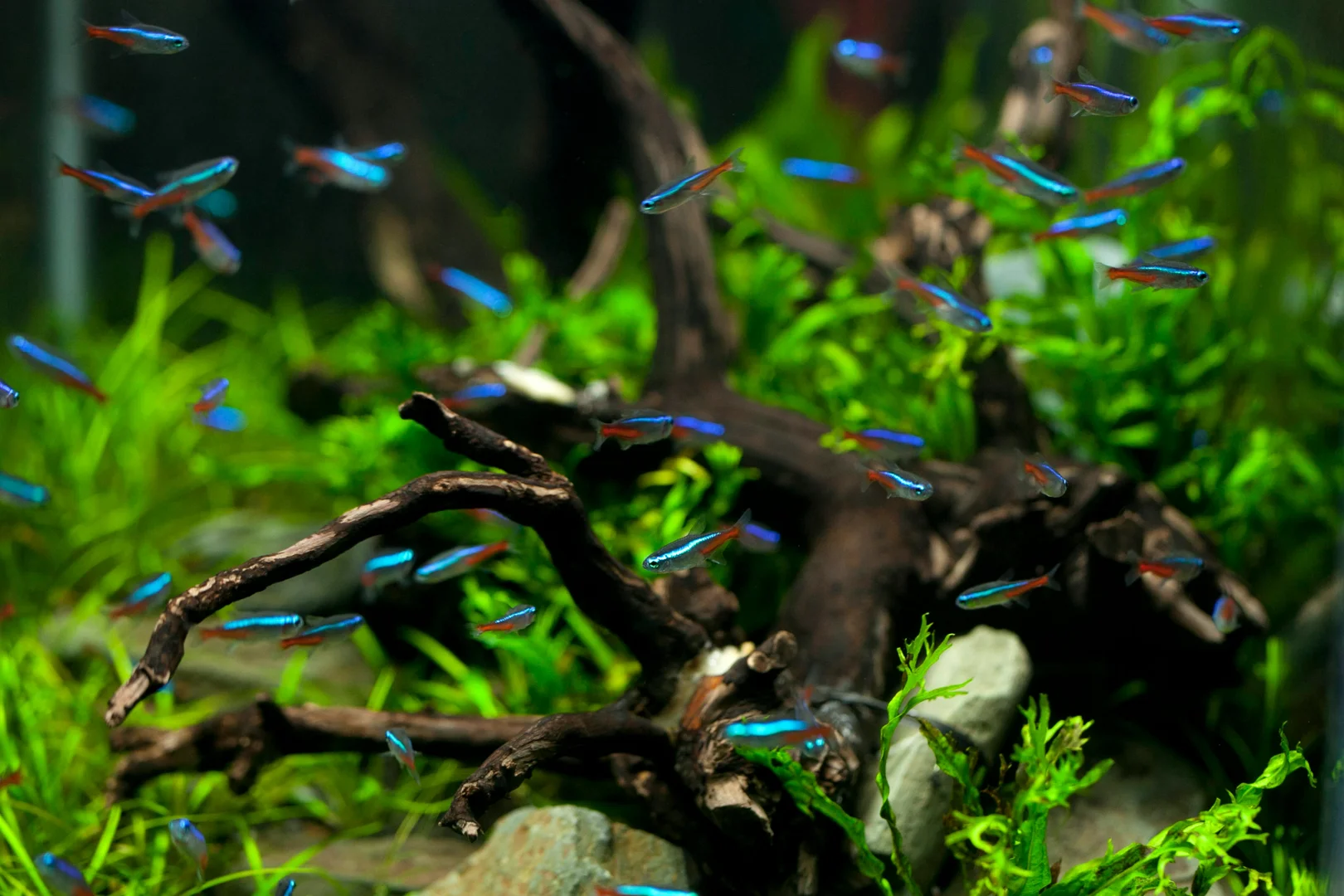
Choosing your first fish is the most exciting part of the journey. To make things easier, we have curated a selection of fish that are proven to thrive in Australian homes.
Best pet fish for beginners: Guppies and Livebearers
The guppy is essentially the "living snowflake" of the aquarium world. No two males look exactly the same, and they come in every colour of the rainbow. They are livebearers, meaning they give birth to free-swimming fry rather than laying eggs.
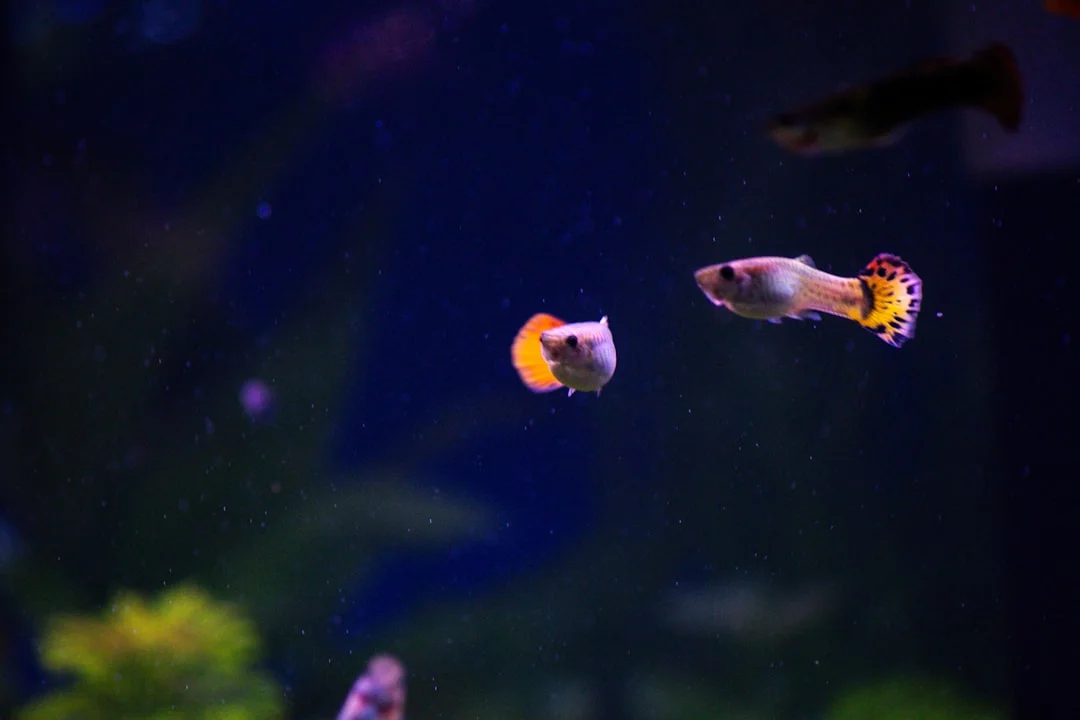
Guppies are incredibly active and spend their time darting around the top and middle of the tank. They are quite forgiving of water parameters, making them a top-tier choice for the best pet fish for beginners. To keep them looking their best, we recommend feeding them Hikari micro-pellets, which are sized perfectly for their small mouths.
If you don't want your tank to be overrun with babies, consider keeping an all-male group. If you do keep both sexes, aim for a ratio of two to three females for every one male to prevent the females from being harassed.
Betta Fish: Low Maintenance, High Personality
If you only have space for a smaller setup, the Betta (Siamese Fighting Fish) is a fantastic choice. Unlike many other species, Bettas have a "labyrinth organ" that allows them to breathe atmospheric air from the surface, though they still require filtered and heated water to stay healthy.
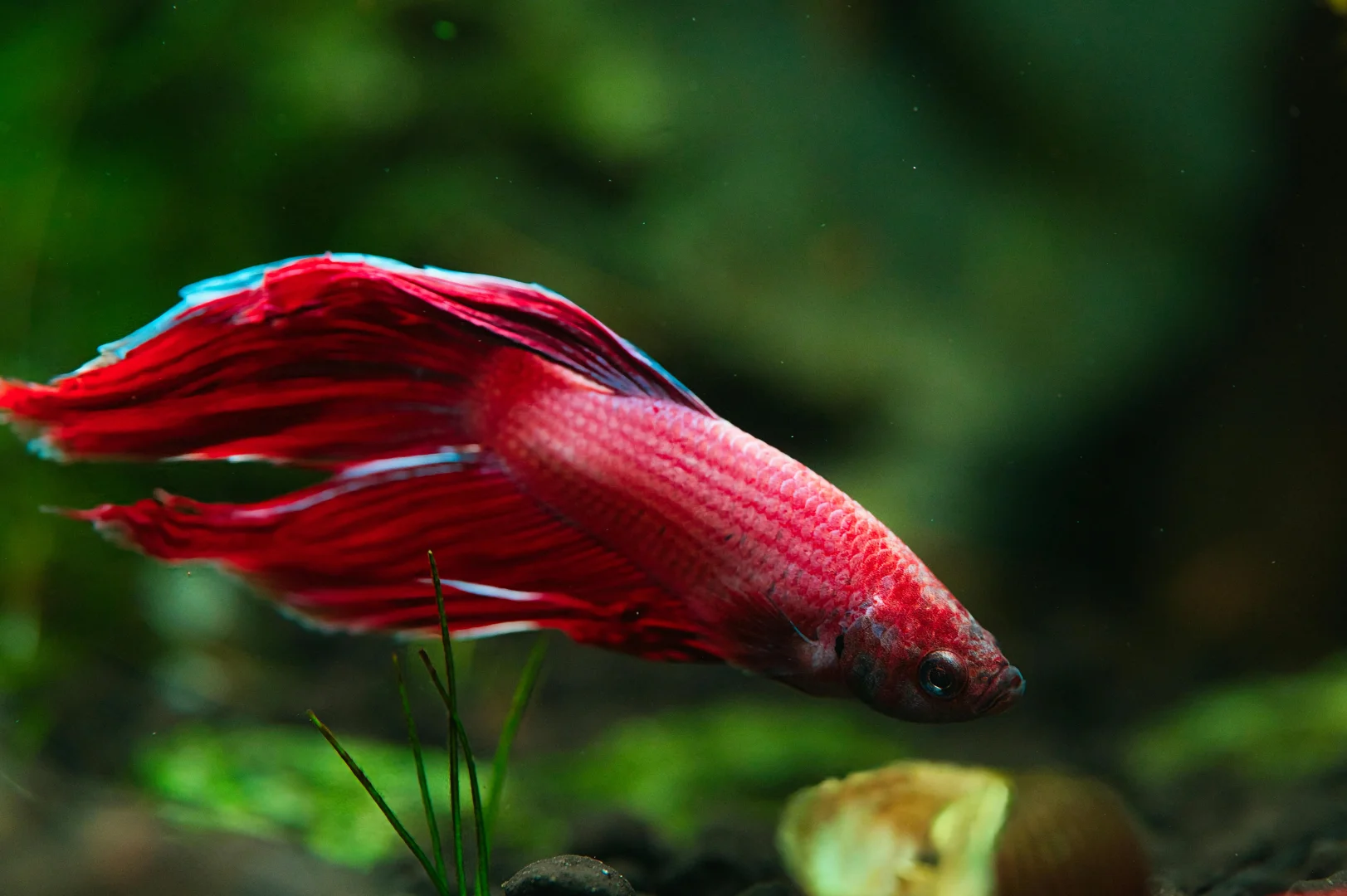
While you might see them sold in tiny cups, a betta needs at least a 20-litre tank to truly thrive. Bettas are notoriously territorial, so beginners are usually best starting with just one betta per tank. In larger, well-planted setups, they may live with shrimp and snails, and sometimes small, peaceful, non-nippy tankmates.
Zebra Danios: Extremely Hardy Starter Fish
Zebra Danios are the "iron men" of the fish world. They are torpedo-shaped, fast-moving, and can handle a wide range of temperatures. This makes them one of the best choices for "cycling" a new tank (establishing the beneficial bacteria).
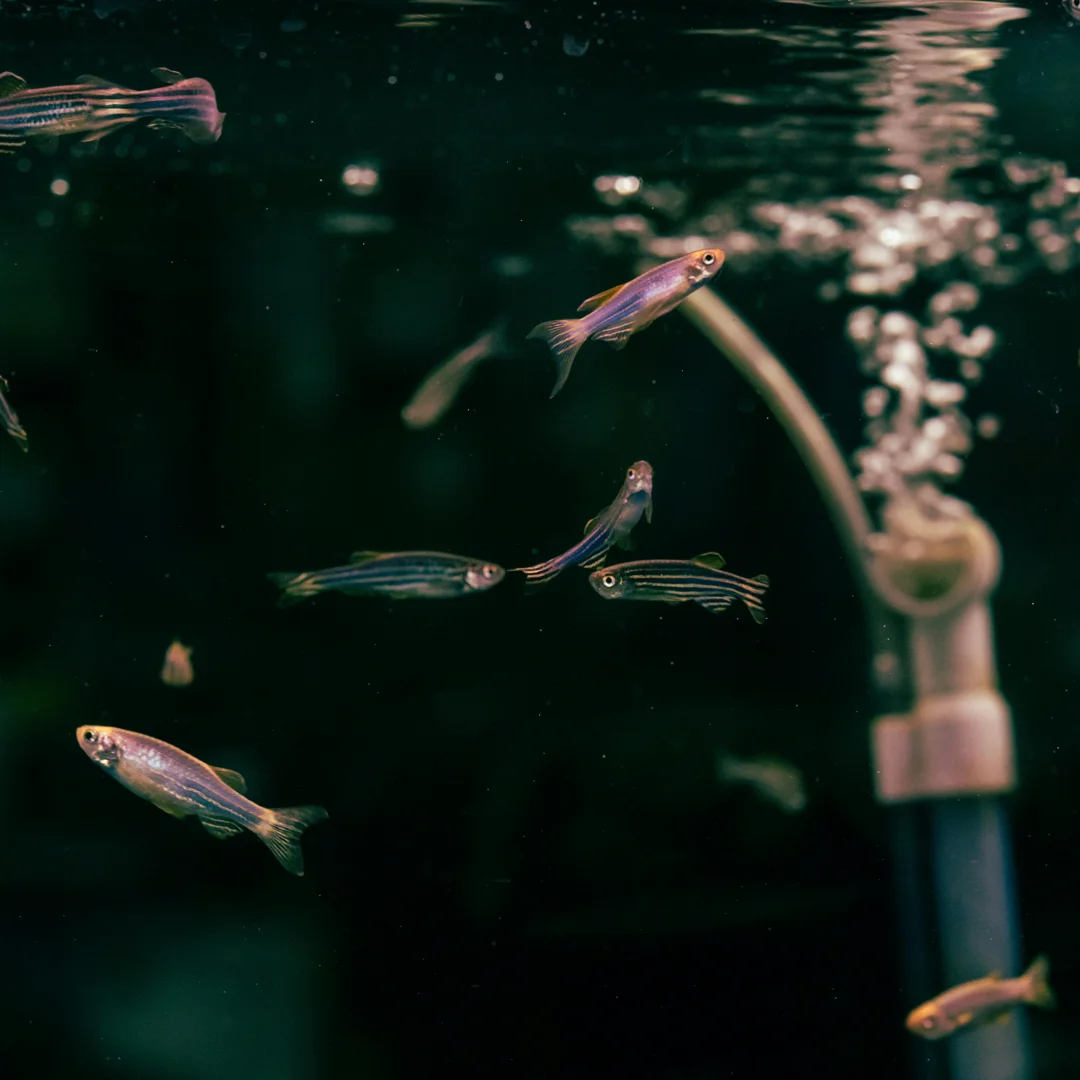
They are schooling fish, so keep them in groups of at least five or six. Because they are so fast and active, they do best in a larger tank with plenty of swimming room, especially near the surface. One important caution: they are excellent jumpers, so a tight-fitting lid is a must.
Best pet fish for beginners: Corydoras and Bottom Dwellers
Every tank needs a "cleanup crew," and Corydoras catfish are the most adorable candidates for the job. These peaceful bottom-dwellers spend their days sifting through the substrate for leftover food.
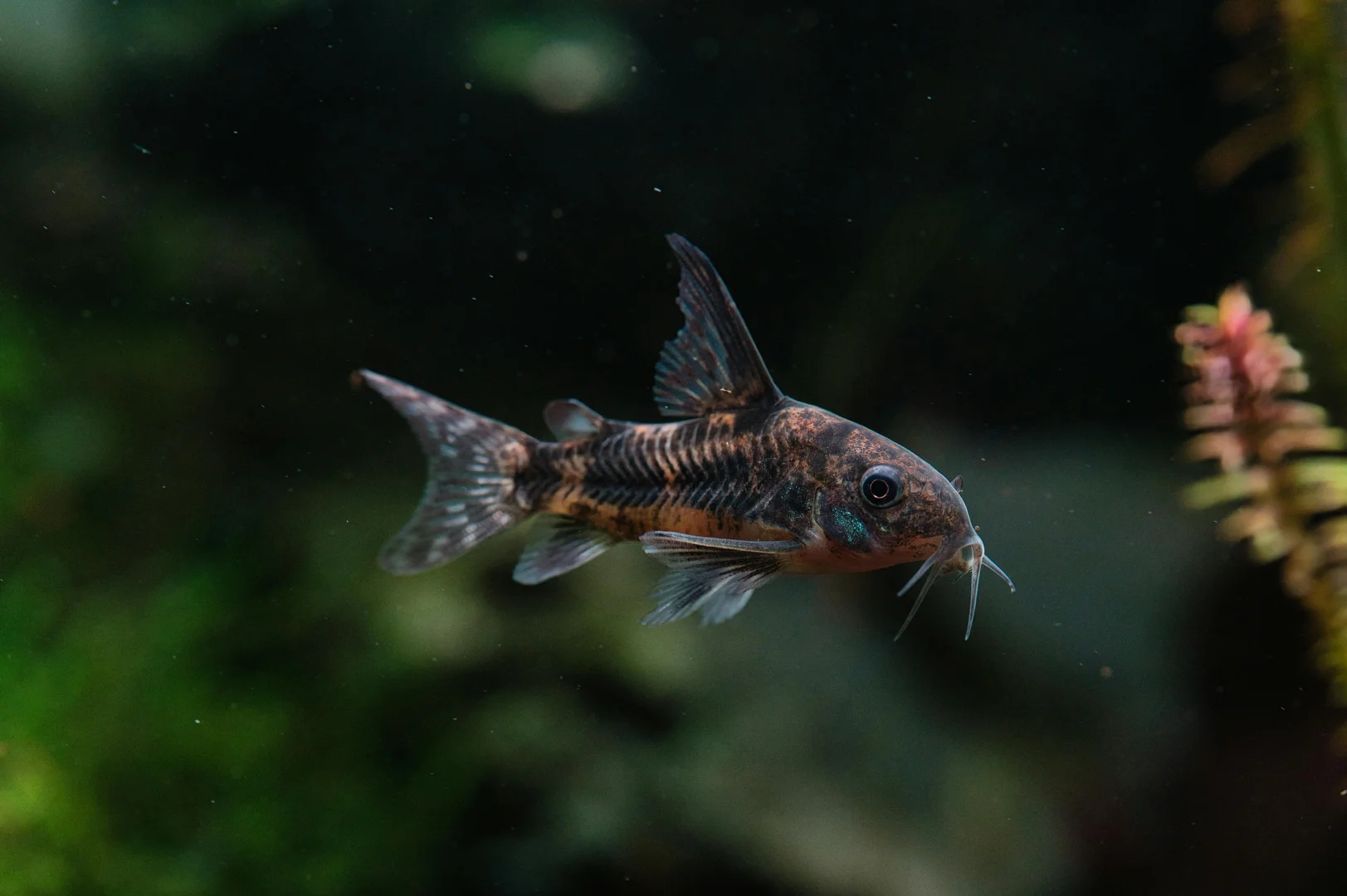
Because they have sensitive whiskers called barbels, it is vital to use soft Sands and Gravel. Sharp, jagged gravel can damage their barbels, leading to infections. They are social creatures, so aim for a group of at least four to six of the same species. While they scavenge for leftovers, you should still feed them sinking wafers once a day to ensure they get proper nutrition.
What a Beginner Aquarium Actually Needs
Before you bring home the best pet fish for beginners, you need to prepare their home. A common mistake is buying a tank that is too small; larger tanks (40 to 80 litres) are actually easier to maintain because the water chemistry stays more stable. You can shop our premium Fish Tanks to find a size that fits your space.
Here is your practical checklist for a successful setup:
- Tank Cycling: This is the most important step. You must establish beneficial bacteria to process fish waste. Using FritzZyme 7 speeds this process up significantly, making the water safe for fish much faster.
- Dechlorinating: Tap water contains chlorine which is toxic to fish. Always treat new water with Seachem Prime before it touches your tank.
- Biological Stability: To prevent "New Tank Syndrome," we use Seachem Stability to help the bacterial colonies grow and stay strong.
- Filtration: For larger tanks, Periha EC Canister Filters are excellent because they sit outside the tank and provide massive cleaning power.
- Lighting: If you want to grow live plants, Dymax Lighting provides the specific spectrum needed for photosynthesis.
- Temperature: Most beginner fish are tropical. You will need a reliable heater from our Heaters and Chillers range to keep the water between 24 and 27 degrees Celsius.
For everything else, from Water Conditioners to specialised CHANING Submersible Water Filters, having the right tools makes the hobby much simpler.
Mistakes to Avoid When Starting an Aquarium
We see the same few mistakes over and over again. By knowing what they are, you can skip the heartbreak and go straight to enjoying your fish.
- Adding Fish Too Early: If you put fish in a brand-new tank without cycling it first, the ammonia from their waste will build up and become toxic. Be patient and use a bacterial starter.
- Overfeeding: A fish's stomach is roughly the size of its eyeball. They only need to be fed once or twice a day, and only as much as they can eat in two minutes. Uneaten food rots and ruins water quality.
- Mixing Incompatible Species: Don't put a slow-moving Betta in with "nippy" fish like Tiger Barbs. Always check compatibility before you buy.
- Skipping Water Tests: You can't see ammonia or nitrites. Regular water tests are the only way to know if your water is actually safe.
- Overcrowding: It is tempting to fill the tank with as many fish as possible. However, too many fish create more waste than your filter can handle. Start small and build up slowly.
Frequently Asked Questions About Beginner Fish
What is the easiest fish to take care of for beginners?
Guppies and bettas are widely considered the easiest because they are highly adaptable to different water conditions and have very simple feeding requirements. Guppies are great for those wanting a busy community, while bettas are perfect for smaller, single-fish setups.
How many fish should a beginner start with?
It is best to start small with 3 to 6 fish depending on your tank size. This prevents the biological filter from being overwhelmed and allows you to learn the maintenance routine without the stress of managing a heavily stocked system.
Do beginner fish need a heater?
Yes, most popular beginner fish like guppies, bettas, and platies are tropical species that require a stable water temperature between 24 and 27 degrees Celsius. Using a reliable heater prevents stress and disease caused by temperature fluctuations.
Start Your Aquarium Journey with Confidence
Starting an aquarium doesn't have to be a science experiment. By choosing the best pet fish for beginners and sticking to the basics of water care, you can create a stunning piece of nature right in your living room.
The most important thing to remember is to take it slow. Observe your fish every day; they will tell you if they are happy by their colours and activity levels. If you ever feel stuck, our Aquarium Fish Blog is packed with deeper dives into specific care routines.
At Aquatees Fishland, we are here to support you from your first tank to your tenth. Whether you need advice on All Products or just want to double-check your setup, Contact Us. We have the gear, the fish, and the expertise to make sure your first aquarium is a total success.