

Beginner Guide to Buy Fish Tank Accessories Online
Buy fish tank accessories online by starting with the equipment that keeps fish healthy before adding decorative or convenience extras. This beginner guide explains what to buy first, what can wait, and how tank type, fish species, and aquarium size should shape your shopping list.
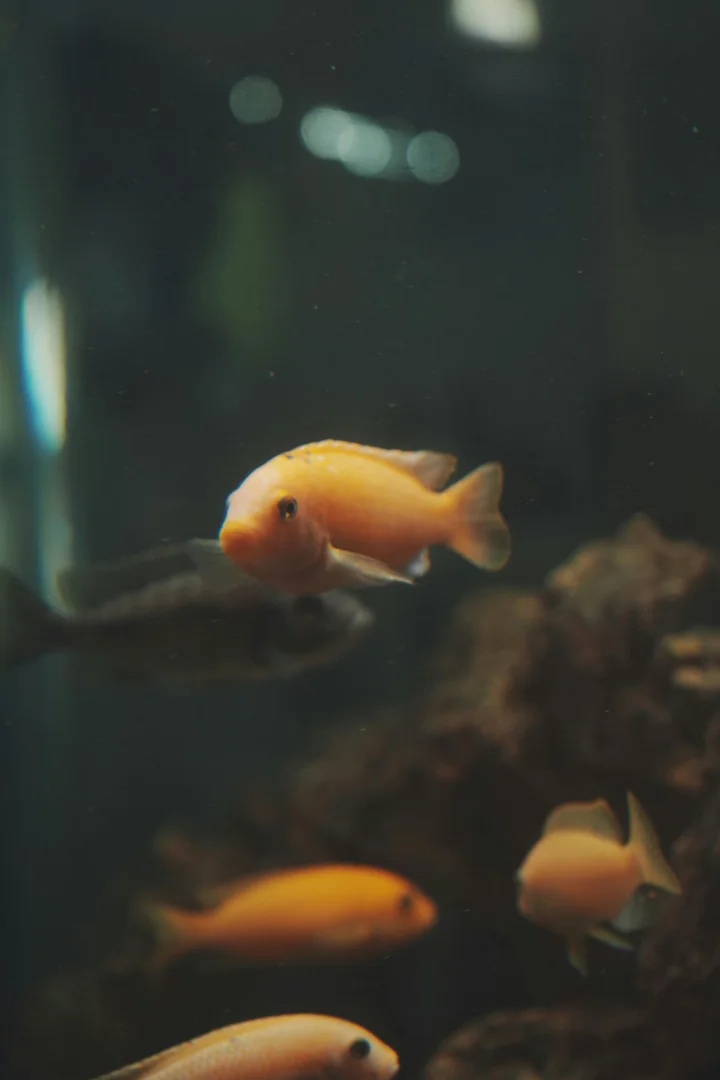
Buy fish tank accessories online with a clear plan, not a random shopping cart. For a first aquarium, the essentials are the items that keep water safe, stable, and easy to maintain: a correctly sized tank, filter, heater when needed, water conditioner, beneficial bacteria, substrate, test kit, thermometer, suitable food, and basic cleaning tools. Decorative accessories can come later once the system is stable.
I'm Nemo Sulaiman, and I'm part of the eCommerce and warehouse team at Aquatees Fishland. With two years of customer setup experience, I regularly help hobbyists match filters, heaters, media, conditioners, and maintenance gear to their tank size, fish type, and setup goals, so this guide focuses on practical buying decisions rather than simply listing products.
What Accessories Do You Need for Your First Fish Tank?
Your first fish tank needs accessories that support water quality, temperature stability, oxygen exchange, safe setup, and routine maintenance. Start with the equipment that protects fish health, then add comfort, convenience, and visual extras once the aquarium is running reliably.
First Aquarium Must-Haves
For most beginner freshwater aquariums, the must-have list includes:
- Fish tank: Choose a size that suits your space and intended fish. Larger tanks are often more forgiving because water conditions can change more slowly.
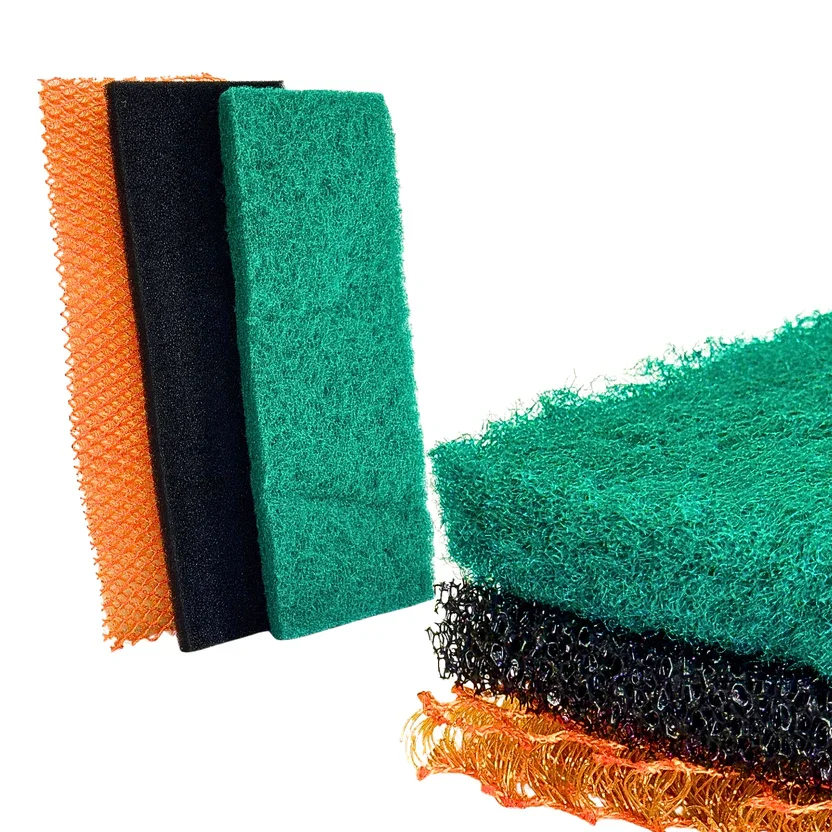
- Filter: Select filtration based on tank volume, livestock, and manufacturer recommendations. Browse suitable options under water filters and pumps and pair them with appropriate bio filter media.
- Heater, if required: Tropical fish usually need stable warm water, while many coldwater setups do not. Check heaters and chillers if your species needs temperature control.
- Water conditioner: Tap water generally needs treatment before it is safe for fish. See water treatments and conditioners for setup and water-change support.
- Beneficial bacteria: Bacterial starters can help establish biological filtration during cycling.
- Test kit: Testing helps beginners understand ammonia, nitrite, nitrate, and pH before problems become visible. Use reliable water tests rather than guessing.
- Thermometer: A simple thermometer helps confirm that heating or cooling equipment is working correctly.
- Substrate: Gravel, sand, or planted substrate should suit your fish and maintenance routine. Start with sands, substrates and gravel if you are comparing options.
- Fish food: Choose food for the actual species you plan to keep, not just a generic option.
- Maintenance tools: A gravel vacuum, algae scraper, bucket, and fish net make regular care easier.
Nice-to-Have Accessories You Can Buy Later
Optional accessories can improve convenience, appearance, or advanced care, but beginners rarely need all of them on day one. Timers, automatic feeders, CO₂ systems, UV sterilisers, dosing pumps, controllers, decorative ornaments, and advanced lighting can usually wait until you understand your aquarium's daily needs.
The safest approach is to buy essentials first, monitor the tank, then add extras only when they solve a real problem. For example, a timer may help if your lighting schedule is inconsistent, while an automatic feeder may be useful for short trips. These items are helpful, but they should not replace basic testing, water changes, filtration, or appropriate stocking.
What Should You Buy Before Adding Fish?
Before adding fish, buy and set up the tank, filter, substrate, water conditioner, beneficial bacteria, thermometer, and test kit. Fish should usually come after the aquarium has been set up, conditioned, and cycled enough to support stable water parameters.
The Best Buying Order for Beginners
A sensible buying order helps beginners avoid paying for accessories they do not need yet:
- Tank and stand or safe support: Confirm the tank size, location, and weight support first. Browse fish tanks before choosing accessories, because tank dimensions affect nearly every later purchase.
- Filter and media: Match flow rate and media capacity to your aquarium size and planned livestock.
- Heater or chiller, if required: Temperature equipment depends on the species and room conditions.
- Substrate and basic aquascaping: Choose safe, easy-to-clean materials that suit the fish.
- Water conditioner, beneficial bacteria, and test kit: These help you prepare water and track cycling.
- Food and maintenance tools: Buy these before fish arrive so the first week is calm and organised.
- Optional convenience accessories: Add timers, automatic feeders, upgraded lighting, or advanced equipment after the aquarium is stable.
Buying in this order keeps the focus on fish health first. It also reduces the chance of buying attractive ornaments, strong lights, or advanced gadgets before you have the filter, water treatment, and testing equipment needed to keep livestock safe.
Can You Set Up a Fish Tank in One Day?
You can physically assemble many aquariums in one day, but that does not mean the tank is ready for fish immediately. Water needs to be conditioned, equipment should be tested, and biological filtration needs time to develop. Results may vary depending on aquarium size, livestock, water parameters, filtration, substrate, maintenance routine, and manufacturer recommendations.
If you are unsure, test the water before buying fish. A beginner who waits until the tank is stable is usually less likely to deal with cloudy water, stressed fish, or emergency chemical fixes.
How Do Freshwater, Saltwater, Fish Species, and Tank Size Change Your Shopping List?
Accessory recommendations change because different aquariums place different demands on filtration, temperature, oxygen, space, lighting, and maintenance. A betta tank, goldfish aquarium, shrimp setup, planted tropical tank, and marine aquarium should not all use the same shopping list.
Freshwater vs Saltwater Accessories
Freshwater setups are often simpler for beginners because they generally need a tank, filter, heater when tropical species require it, conditioner, test kit, substrate, food, and cleaning tools. Saltwater aquariums usually require more specialised equipment, stronger circulation, salinity management, marine-safe materials, and closer monitoring.
The main difference is stability. Marine systems can be less forgiving when salinity, temperature, or water quality shifts. Freshwater systems still require care, but beginners often find them easier to learn because the equipment list is shorter and routine maintenance is more straightforward.
Betta, Goldfish, Tropical Fish, and Shrimp Needs
Bettas often prefer gentle flow, stable warm water, and places to rest near the surface. A strong filter may be uncomfortable unless flow is adjustable, so small sponge filters or low-flow systems can be suitable when matched to tank size.
Goldfish create a heavy waste load, so filtration and tank size matter more than decorative extras. A small bowl or tiny tank is not a good long-term plan. Upgrading or relocating goldfish to a larger setup is usually the first recommendation when they outgrow their aquarium.
Tropical community fish generally need stable heating, compatible filtration, and suitable foods for mixed species. Shrimp setups often benefit from gentle filtration, stable parameters, and safe intake protection, such as sponges or sponge filters from the sponges and sponge filters range.
Tank Size and Equipment Choice
Tank size affects filter strength, heater wattage, stocking limits, maintenance frequency, and how quickly water parameters can shift. Small aquariums may look easier, but they can be less forgiving because waste, temperature, and chemistry changes are concentrated in less water.
For nano aquariums, choose compact equipment that does not take up too much swimming space. For medium and larger community tanks, focus on filtration capacity, maintenance access, and replacement media availability. If you are building a grouped setup, aqua packs may help beginners compare matched equipment rather than assembling everything from scratch.
Do You Need a Heater or Air Pump?
You need a heater if your chosen fish require water warmer than your normal room temperature can reliably provide. You need an air pump when extra aeration, sponge filtration, or surface movement is required, but not every aquarium needs one as a separate accessory.
A heater is mainly about temperature stability. Many tropical fish require consistent warmth, while some coldwater species do not. An air pump is mainly about oxygen exchange and equipment support. It can power sponge filters, create surface agitation, and improve circulation in some setups.
Beginners often confuse air pumps with filters. A filter removes and processes waste through mechanical and biological filtration, while an air pump moves air and can support certain filter types. If your filter already creates enough surface movement, a separate air pump may be optional. If you use a sponge filter, an air pump and aquarium tubing become part of the core setup.
Which Accessories Are Worth Spending More On?
Spend more on accessories that protect fish health, reduce maintenance problems, and are difficult to replace after the aquarium is running. Filters, heaters, test kits, and quality water-care products are usually more important than ornaments, novelty decorations, or advanced gadgets.
Quality equipment can support healthier fish by keeping water cleaner, temperature steadier, and maintenance easier. A reliable filter with appropriate media can reduce waste build-up. A dependable heater can help avoid stressful temperature swings. Accurate testing can help you act before fish show signs of stress.
You can often spend less on decorative pieces, provided they are aquarium-safe, appropriately sized, and easy to clean. When choosing rocks, driftwood, or layout materials, research suitability, inspect carefully, and follow manufacturer guidance. The aquascaping range is a better place to compare safe options than choosing unknown materials.
Common Beginner Mistakes When Buying Fish Tank Accessories Online
The most common beginner mistake is buying accessories because they look useful before checking whether they suit the tank, species, and maintenance plan. Online shopping is convenient, but dimensions, flow rates, wattage, media type, and replacement-part availability all matter.
Simple Dos and Don'ts
Do:
- Measure the tank and cabinet space before buying equipment.
- Check filter flow, heater wattage, and replacement media availability.
- Buy water conditioner and a test kit before fish.
- Choose fish food based on species and size.
- Keep maintenance tools ready before the first water change.
Don't:

- Buy fish before the tank is prepared and tested.
- Choose a filter only because it is cheap or small.
- Overfill the tank with ornaments that reduce swimming space.
- Rely on chemicals instead of routine maintenance.
- Buy advanced accessories before learning basic care.
Signs You Bought the Wrong Accessories
Cloudy water, weak flow, noisy equipment, fish hiding near corners, a heater struggling to maintain temperature, algae spreading quickly, or debris collecting in dead spots can all suggest an accessory mismatch. These signs do not always mean one product is faulty. They often mean the equipment, tank size, stocking level, and maintenance routine need to be reviewed together.
If you need to replace worn or mismatched components, check replacement parts before replacing a whole unit. For routine support, aquarium care products can help when used as part of a proper maintenance plan, not as a substitute for water changes or testing.
Fish Tank Accessories Beginners Can Buy Later
Beginners can usually buy automatic feeders, timers, upgraded lights, CO₂ systems, UV sterilisers, dosing pumps, controllers, decorative backgrounds, and extra ornaments later. These accessories can be useful, but they are not the foundation of a healthy first aquarium.
Lighting is a good example. Basic lighting may be enough for viewing fish, while planted aquariums may need stronger, more controlled aquarium lighting. CO₂ can support demanding plants, but it also adds complexity. Automatic feeders can help during travel, but daily feeding knowledge matters first.
The same applies to decorative accessories. Substrate and safe hiding places can support fish comfort, but too many ornaments can make cleaning harder and reduce swimming space. Start simple, observe how fish use the tank, then improve the layout gradually.
Fish Tank Accessories Online FAQs for Beginners
What accessories do I need for my first fish tank?
You need a tank, filter, suitable media, water conditioner, beneficial bacteria, test kit, thermometer, substrate, fish food, and cleaning tools. A heater is also essential for tropical fish, while an air pump depends on your filtration and oxygen needs.
Do all aquariums need an air pump?
No, not all aquariums need a separate air pump. If your filter creates enough surface movement and oxygen exchange, an air pump may be optional, but it is required for sponge filters and useful in some low-oxygen setups.
What should I buy before fish?
Buy the tank, filter, heater if needed, substrate, conditioner, beneficial bacteria, thermometer, test kit, food, and maintenance tools before fish. This lets you prepare the aquarium, test conditions, and avoid rushed purchases after livestock arrives.
Which accessories can I buy later?
You can often buy timers, automatic feeders, upgraded lighting, CO₂ equipment, UV sterilisers, controllers, and extra decorations later. These items are useful in the right setup, but they are usually secondary to filtration, heating, conditioning, testing, and maintenance.
What is the difference between freshwater and saltwater equipment?
Freshwater equipment is usually simpler, while saltwater equipment often requires stronger circulation, salinity management, marine-safe materials, and closer monitoring. Both setups need good filtration, testing, and maintenance, but marine aquariums typically involve more specialised accessories.
Is a bigger tank easier for beginners?
A bigger tank can be easier because water parameters may change more slowly, giving beginners more time to notice and correct issues. The right size still depends on space, budget, fish species, filtration, and maintenance routine.
Do live plants replace a filter?
Live plants do not replace a filter in most beginner aquariums. Plants can help absorb nutrients and improve habitat quality, but fish waste still needs reliable mechanical and biological filtration.
What is the most important aquarium accessory?
The filter is often the most important accessory because it supports mechanical and biological waste processing. However, a filter works best as part of a complete setup that includes water treatment, testing, suitable stocking, and routine maintenance.
Buy Fish Tank Accessories Online With Confidence
Buying fish tank accessories online becomes much easier when you focus on fish health, tank size, species needs, and maintenance before decorative extras. Start with essential filtration, water treatment, testing, temperature control where required, substrate, food, and simple cleaning tools. Then add optional accessories only when they solve a real need.
Aquatees Fishland is an Australian aquarium retailer, and the strongest setup choices usually come from matching accessories to the aquarium you are actually building. Use this guide as a practical starting point, then compare product categories based on your tank size, livestock, water parameters, filtration, substrate, maintenance routine, and manufacturer recommendations.
Helpful places to continue: