

How Often Should You Feed Aquarium Fish?
How often to feed fish is one of the first questions every aquarium keeper asks, and the honest answer is simpler than most people expect.
For the majority of adult freshwater and tropical fish, once or twice a day in small portions is all you need. Get this right, and your tank stays healthier, your water stays clearer, and your fish live longer. Get it wrong, and overfeeding becomes the single biggest driver of poor water quality, ammonia spikes, and preventable fish deaths.
The tricky part is that every fish looks hungry all the time. Fish are opportunistic feeders by nature, and they will beg at the glass whether they ate five minutes ago or five hours ago. Feeding by schedule, not by behaviour, is what separates a stable tank from a problematic one.
Species differences matter too. A betta has very different needs from a goldfish, and a bottom-feeding pleco operates on a completely different schedule from a mid-water tetra. Water temperature, life stage, and tank size all play a role as well.
Here at Aquatees Fishland, we stock a wide range of species-specific foods designed to make getting this right much easier, whether you are keeping community tropicals, goldfish, cichlids, or pond koi.
Quick Answer: How Often Should You Feed Fish?
| Fish Type | Feeding Frequency | Portion Guide |
|---|---|---|
| Adult tropical fish | 1 to 2 times daily | Consume within 2 to 3 minutes |
| Goldfish | 1–2 times daily | Very small portions each time |
| Betta fish | 1 to 2 times daily | 2 to 4 pellets per meal |
| Fry (baby fish) | 4 to 6 times daily | Tiny amounts, frequently |
| Juvenile fish | 3 to 4 times daily | Small portions, consistent timing |
| Bottom feeders | 1–2 times daily | Sinking wafers or pellets |
| Pond fish (above 10°C) | 1–2 times daily | Reduce portions in cooler weather |
| Pond fish (below 10°C) | Reduce heavily or stop | Do not feed if inactive |
| Large carnivores (oscars, arowanas) | Every 1 to 2 days | High-protein, appropriately sized portions |
I am Nemo Sulaiman, part of the eCommerce and warehouse team at Aquatees Fishland, and a lot of what I know about how often to feed fish has come from handling real customer problems every day, from overfeeding crashes to underfed bottom dwellers that nobody knew were struggling. Throughout this guide, I will walk you through everything you need to feed your fish properly, from species-specific schedules to what actually happens when things go wrong.
How Often to Feed Fish: The Golden Rules for Success
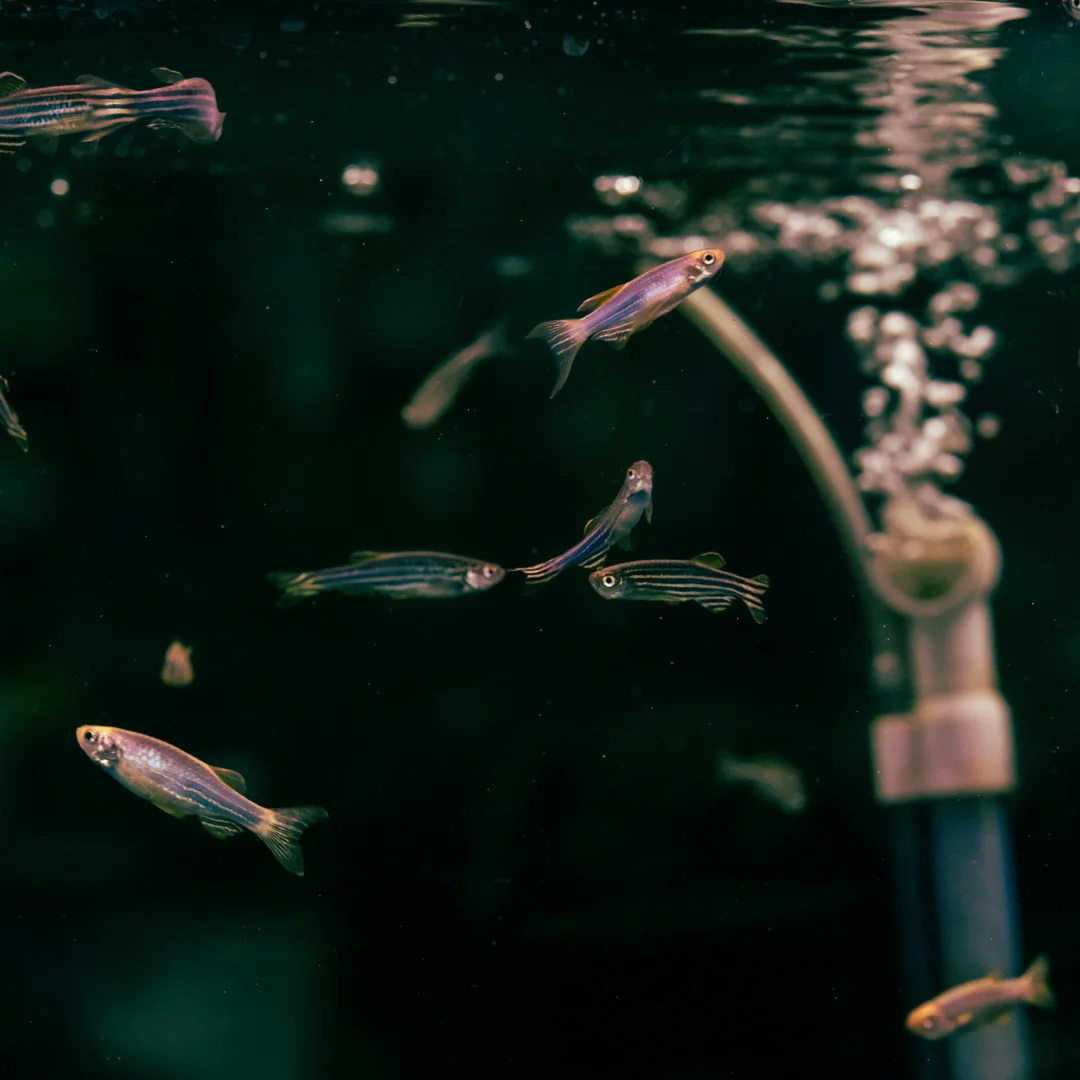
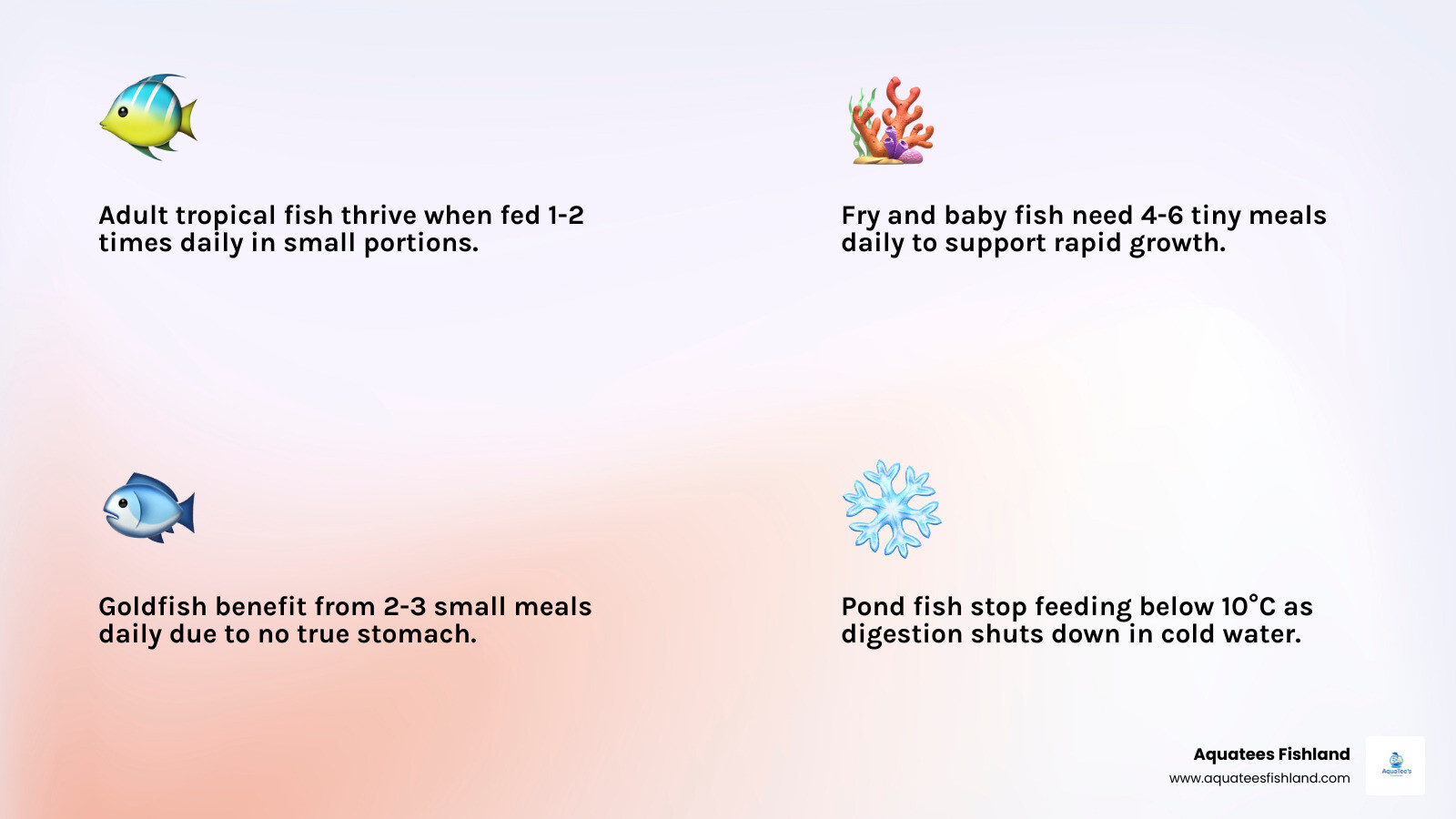
When determining how often to feed fish, the most reliable general rule is to offer food once or twice daily. Most adult tropical fish thrive on this schedule, as it mimics the natural intervals they might find food in the wild.
However, this is not a "set and forget" rule. Your feeding frequency must adapt to the age and species of your livestock. For example, goldfish lack a true stomach, meaning they process food very quickly and benefit from three smaller meals rather than one large one.
In contrast, pond fish require seasonal adjustments. In the warmer Melbourne summer months, their metabolism is high, and they may need twice-daily feeding. As we move into winter and water temperatures drop, their metabolism slows down significantly. Once the water temperature hits 10 degrees Celsius, their digestive systems effectively shut down, and you should stop feeding them entirely to prevent the food from rotting inside them.
A key part of successful feeding is the 2 to 3 minute rule. This means you should only provide an amount of food that your fish can completely consume within that timeframe. If there is food still floating or sitting on the gravel after three minutes, you have overfed. Consistency is helpful, but exact timing is less critical than portion control.
How Often to Feed Fish During the Fry and Juvenile Stages
Baby fish, or fry, have incredibly high metabolisms and tiny stomachs. Because they are growing rapidly, they cannot go long periods without nutrients.
Most experts recommend feeding fry 4 to 6 times daily in very small, dust-like increments. As they transition into the juvenile stage, you can scale back to 3 or 4 times daily. Ensuring high nutrient density during these stages is vital for developing strong immune systems and vibrant colours.
The 2-Minute Rule
The 2-minute rule is a portion control technique where you only offer as much food as your fish can finish in 120 seconds. This prevents excess waste from settling in the substrate, which helps maintain water clarity and keeps ammonia levels at zero. It is the most effective way to prevent the "new tank syndrome" crashes often caused by over-enthusiastic feeding.
Why Fish Feeding Frequency Matters More Than Most Owners Realise
Understanding why we limit feeding requires a look at fish biology. Fish are poikilothermic, or cold-blooded, meaning their body temperature and metabolism are regulated by the surrounding water. They do not need to "burn" calories to maintain body heat like we do. Consequently, their energy requirements are much lower than mammals.
One of the most frequent questions we get is, "Can fish overeat?" The answer is yes, but not in the way humans do. Fish are opportunistic foragers; in the wild, they never know when their next meal is coming, so they are biologically programmed to eat whenever food is available. They don't have a "full" switch. In an aquarium, this leads to learned begging behaviour. When you walk past the tank and they rush to the glass, they aren't necessarily starving—they are simply following an ancient instinct to grab food while it’s there.
Feeding too often puts an immense load on your biological filtration. Every flake that goes in must come out as waste. If you feed more than your beneficial bacteria can process, you risk a toxic spike. By regulating how often to feed fish, you are essentially managing the chemical balance of your entire aquatic ecosystem.
Feeding Guide for Different Freshwater and Tropical Fish Species
Different species have evolved to eat in specific parts of the water column. Some have upturned mouths for surface feeding, while others have sucker-mouths for grazing on rocks. Matching the food type and frequency to the species is essential for a healthy tank.
You can find a complete range of these specialised diets in the Aquatees Fish Food Collection.
How Often to Feed Fish in a Community Aquarium
In a mixed tank, competition is your biggest hurdle. Faster fish like Danios often gobble everything before the shy Gouramis get a chance. We recommend "multi-point feeding" or dropping food at both ends of the tank simultaneously. For a standard community setup, feeding once or twice daily is perfect.
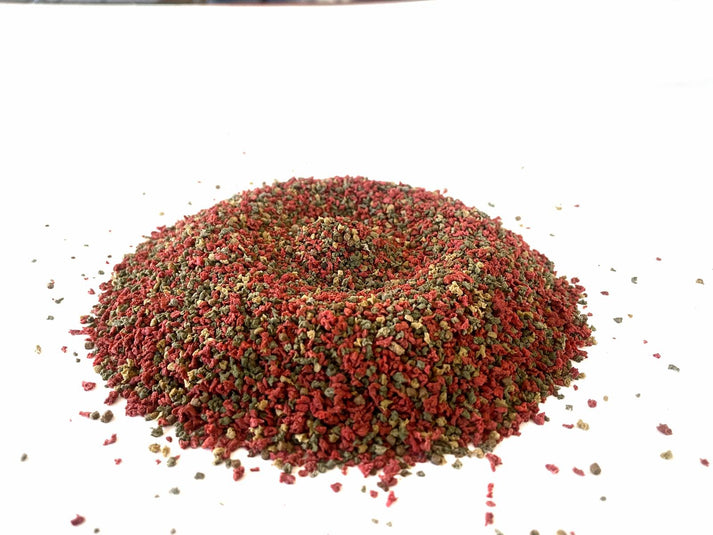
To keep things simple for community keepers, we developed Aquatees STAPLE DELUXE Goldfish & Tropical Fish Food Granules. These granules are highly digestible and contain garlic extract to stimulate appetite and spirulina for health. They suit a wide variety of species, including tetras, mollies, and angelfish, and because they are easily absorbed, they significantly reduce the amount of waste clouding your water.
How Often Should You Feed Betta Fish?
Bettas are carnivores that are highly prone to bloating and constipation. You should feed them once or twice daily, providing only 2 to 4 pellets per meal. It is also a great idea to give them one "fasting day" a week to let their digestive tract clear.
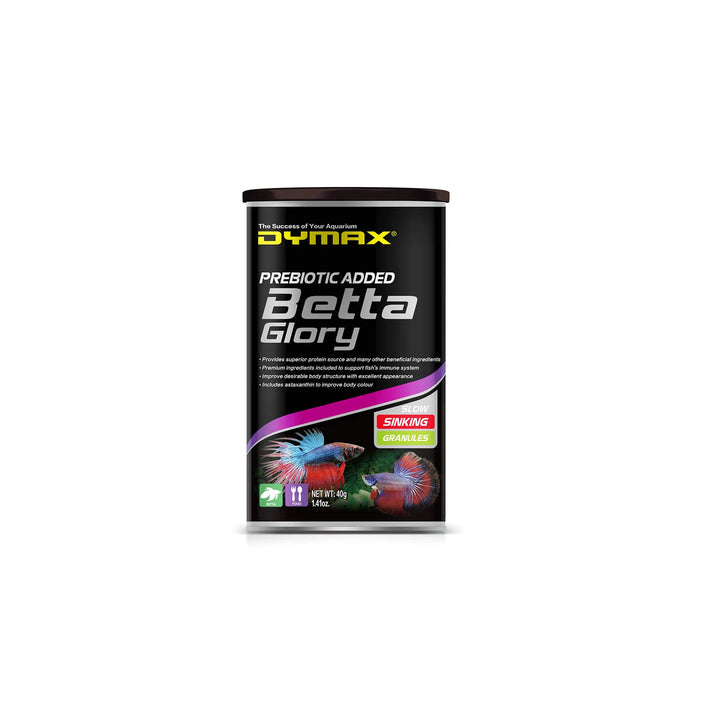
For the best results, we suggest Dymax Betta Glory. These are slow-sinking granules that provide the high protein levels bettas need while supporting colour enhancement and keeping the water cleaner than traditional flakes.
How Often Should You Feed Goldfish?
As mentioned, goldfish don't have stomachs. They are designed to graze on algae and small invertebrates all day long. In an aquarium, they do best with 2 to 3 very small feeds a day. High digestibility is the most important factor for goldfish to prevent swim bladder issues caused by gas and constipation.
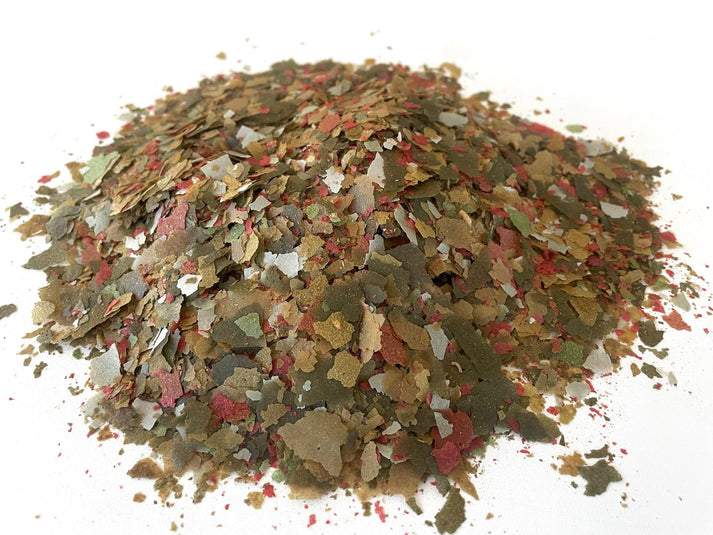
We recommend Aquatees Premium Goldfish & Marine Flakes Fish Food EXTRA PROTEIN for daily feeding. It contains kelp and algae meal to mimic their natural diet. For those with larger setups or ponds, our BULK Aquatees Premium Koi & Goldfish Fish Food Pellets offer prebiotics and digestion support in a floating pellet format that keeps ponds cleaner.
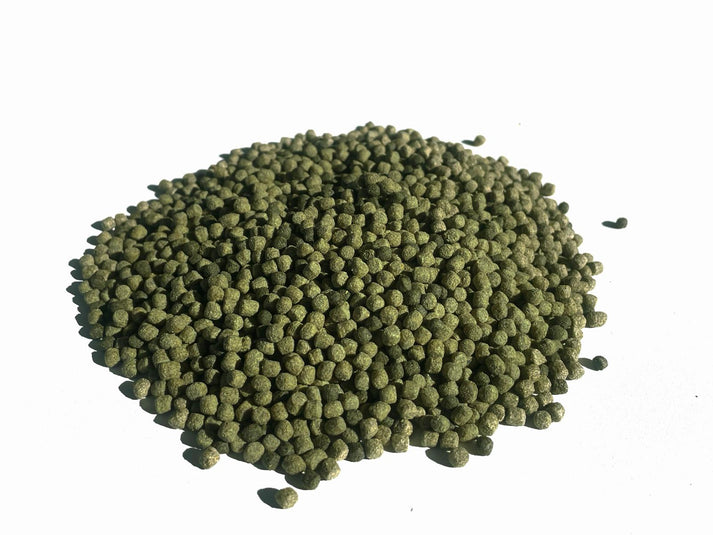
Feeding Tropical Fish and Cichlids Properly
Cichlids are often aggressive feeders with high protein requirements. They need food that brings out their incredible natural colours without polluting the water. Feeding twice daily in small amounts helps manage aggression by keeping them satisfied.
Aquatees Premium Tropical & Cichlid Colour Enhancing Fish Food is our top pick here. It uses astaxanthin and spirulina to boost reds and blues and features slow-sinking granules perfect for mid-water feeders.
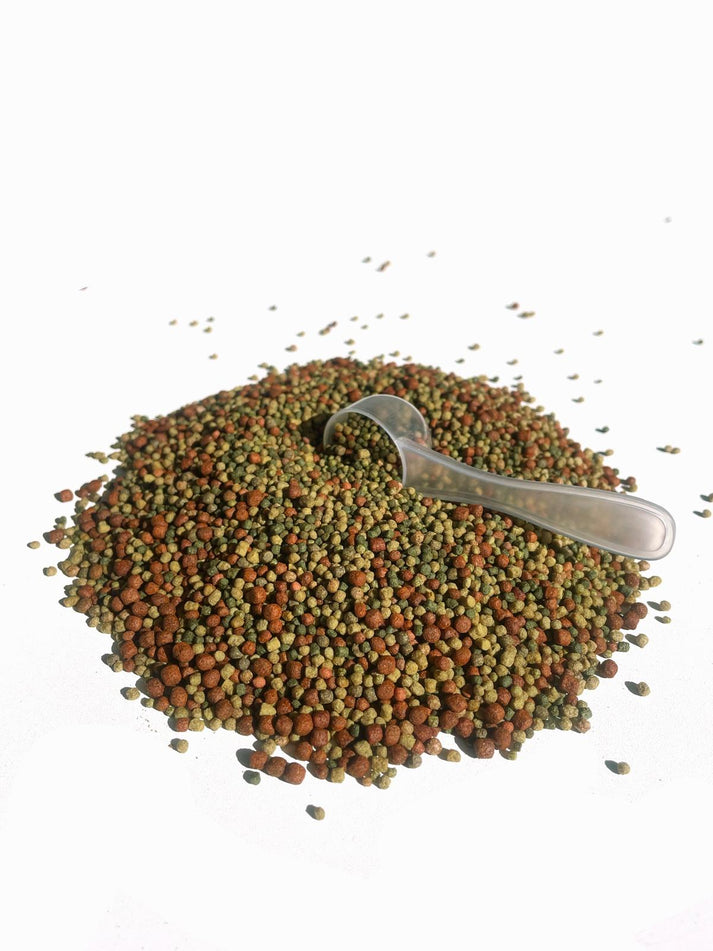
Feeding Bottom Feeders, Corydoras and Plecos
Bottom feeders are frequently the most underfed fish in the hobby because owners assume they just eat "leftovers." Many, like loaches and catfish, are nocturnal. You should feed them once a day, specifically after the main lights have gone out.
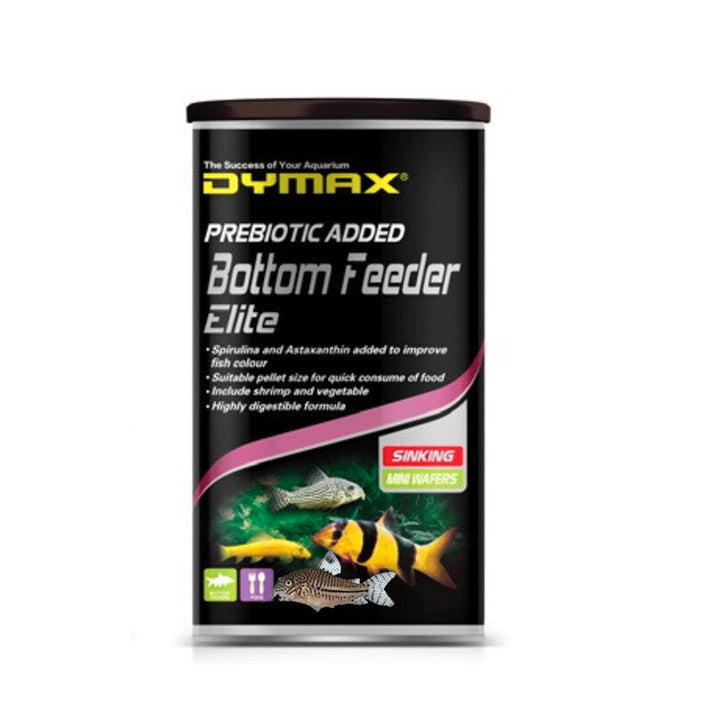
Use a dedicated sinking food like Dymax Bottom Feeder Elite. These sinking wafers are high in fibre and contain prebiotics to support the unique digestive needs of plecos and Corydoras, ensuring they don't lose out to the surface dwellers.
Feeding Arowanas, Oscars and Large Carnivorous Fish
Large predators need a high-protein diet but feeding live goldfish carries a massive risk of introducing parasites. To keep them healthy, feed once daily (or every second day for large adults) with a high-quality prepared diet.
Dymax Arowana Exclusive is a fantastic alternative to live feeding. It reduces parasite risks while providing the protein and colour enhancement these massive fish require to look their best.
Best Feeding Routine for Flowerhorn Fish
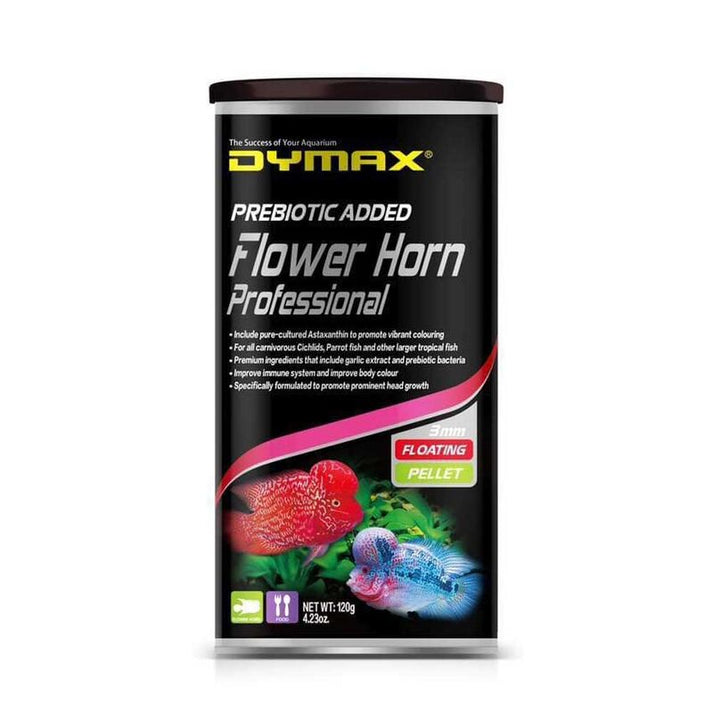
Flowerhorns are bred for their "kok" (head growth) and intense colour. Their feeding routine should be consistent—twice daily—to support this rapid development. Dymax Flower Horn is specifically formulated to support immune health and head growth, ensuring your fish reaches its full potential.
How Often Should You Feed Pond Fish and Koi?
Pond feeding is dictated entirely by the thermometer. In the height of summer, koi and goldfish are active and can be fed 1 to 2 times daily. However, as an Australian keeper, you must watch for the autumn cool-down. Once the water stays below 10 degrees Celsius, you must stop feeding. At these temperatures, the bacteria in their gut become inactive, and food will simply sit in their gut and rot, which is often fatal.
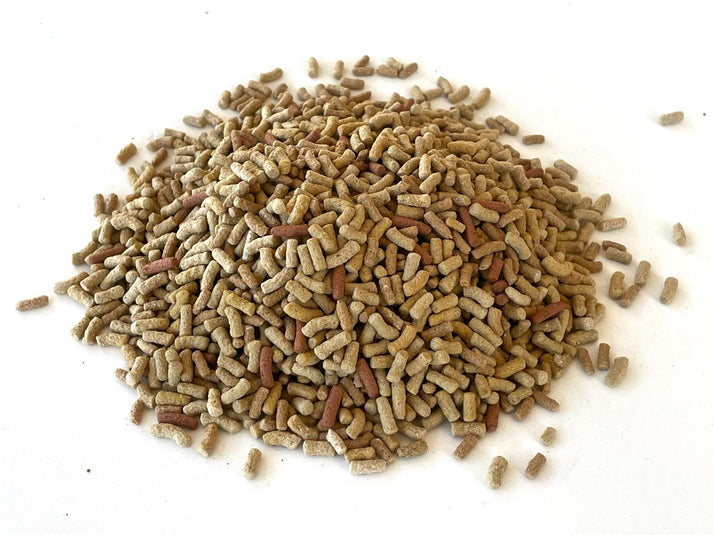
For year-round health, Aquatees Premium Pond Sticks Koi & Pond Fish Food Diet is an excellent choice. These floating sticks use wheat germ for high digestibility in cooler water and spirulina to maintain those bright koi colours. They are specifically formulated for Australian conditions to keep pond water clear.
Fish Supplements That Support Colour, Digestion and Stress Resistance
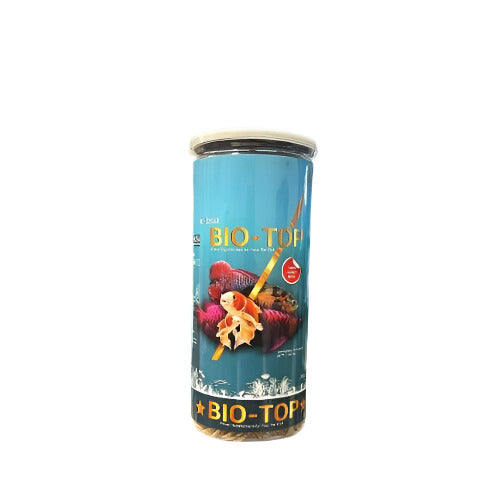
Sometimes, standard food isn't enough, especially during breeding or after a move. Supplements can bridge the gap by providing concentrated probiotics and amino acids. Aquatees Bio-Top Natural Fish Supplements are designed to support growth and stress resistance naturally.
We also suggest using dried mealworms as an occasional treat. They are protein-rich and provide excellent enrichment, encouraging natural hunting and picking behaviours in larger tropical fish and cichlids.
What Happens When You Overfeed Fish?
Overfeeding is the number one cause of "mysterious" fish deaths. When you add too much food, the uneaten portions sink and rot. This decay releases ammonia, which is highly toxic to fish. Even if it doesn't kill them immediately, it causes stress, burns their gills, and suppresses their immune systems.
Common signs of overfeeding include cloudy water, an oily film on the surface, and sudden algae blooms. If you see these signs, your first step should be a water change and the use of Seachem Prime to detoxify the ammonia. To get your biological filter back on track, adding FritzZyme 7 Freshwater Nitrifying Bacteria will help rapidly process the excess waste.
Overfeeding fish is one of the leading causes of poor aquarium water quality. Uneaten food breaks down into ammonia, causing stress, algae growth, cloudy water and potentially fatal toxin spikes.
Simple Daily Fish Feeding Schedule for Beginners
| Fish Type | Morning (Lights On) | Evening (Before Lights Off) | Best Food Type |
|---|---|---|---|
| Tropical Community | Small pinch of granules | Small pinch of granules | STAPLE DELUXE |
| Goldfish | 1-2 small flakes | 1-2 small flakes | Premium Flakes |
| Betta Fish | 2 pellets | 2 pellets | Betta Glory |
| Cichlids | 1/2 tsp pellets | 1/2 tsp pellets | Tropical & Cichlid |
| Bottom Feeders | None | 1-2 sinking wafers | Bottom Feeder Elite |
| Pond Fish | 1 scoop sticks | None (if cool) | Pond Sticks |
How Long Can Aquarium Fish Go Without Food?
If you are heading away for a weekend, don't panic. Healthy adult fish can easily go 3 to 7 days without food. In an established tank, they will graze on microfilm, algae, and tiny organisms. In fact, fish are often safer fasting for a few days than they are being fed by a well-meaning neighbour who might dump a week's worth of food in at once.
For longer holidays, an automatic feeder is a good investment, but always test it for a few days before you leave to ensure the portion size is correct. Always perform a 25% water change before you travel to ensure the water quality is at its peak while you are away.
Frequently Asked Questions About Feeding Freshwater and Tropical Fish
How often should I feed tropical fish in Australia?
Most tropical fish in Australian home aquariums thrive when fed once or twice daily. It is important to ensure they consume all food within two minutes to maintain water quality in our unique climate, especially during the warmer months when bacterial growth in the water can accelerate.
Can you overfeed aquarium fish?
Yes, overfeeding is the most common mistake made by aquarium owners. Excess food rots and creates toxic ammonia, which can lead to fish stress, disease, and tank crashes. It also fuels unsightly algae blooms and can cause fatty liver disease in certain species.
What is the best time of day to feed fish?
The best time to feed diurnal fish is roughly 30 minutes after the lights come on in the morning and about an hour before they go off in the evening. This gives them time to "wake up" and ensures they have time to digest before their metabolism slows down for the night. Nocturnal species should be fed after the main aquarium lights have been extinguished.
Should fish eat all their food immediately?
Ideally, fish should consume all offered food within two to three minutes. Any food left floating or sinking to the bottom after five minutes should be removed with a net or siphon to prevent water pollution and ammonia spikes.
How long can goldfish go without food?
Healthy adult goldfish can survive for up to two weeks without food because they are cold-blooded and can draw on fat reserves, though this is not recommended. For short holidays of three to five days, they are generally safer fasting than being overfed by an inexperienced sitter who might crash the tank's nitrogen cycle.
Why is my aquarium water cloudy after feeding?
Cloudy water after feeding is usually a sign of overfeeding or poor filtration. The cloudiness is often a bacterial bloom feeding on the excess nutrients released by decaying uneaten food. If this happens, reduce your feeding amount immediately and check your ammonia levels.
What food is best for community fish tanks?
A high-quality granule or flake that contains a balance of proteins and plant matter is best for community tanks. We recommend products like the Staple Deluxe granules because they cater to various mouth sizes and feeding levels while containing immunity-boosting ingredients like garlic.
How often should you feed betta fish?
Betta fish should be fed small portions once or twice daily. Providing two to four high-protein pellets per meal is usually sufficient to prevent bloating and constipation. Always ensure you are using a dedicated betta pellet rather than general tropical flakes for their specific carnivorous needs.
Do fish need a fasting day?
Many experienced keepers implement a weekly fasting day for adult fish. This helps clear the digestive tract, prevents obesity, and encourages fish to forage for any existing debris or algae in the tank, which helps keep the environment cleaner.
What is the best fish food for colour enhancement?
Foods containing natural ingredients like spirulina, astaxanthin, and krill are best for enhancing fish colour. These natural carotenoids help bring out the reds, oranges, and blues in tropical species without the need for artificial dyes that can harm fish health.
Should bottom feeders be fed separately?
Yes, bottom feeders often lose out on food to faster surface-dwelling fish. Using sinking wafers or pellets after the main lights are off ensures loaches, catfish, and plecos get their fair share without having to compete with aggressive tankmates.
What fish food creates less waste in aquariums?
Highly digestible foods with low filler content create significantly less waste. Look for premium options where aquatic proteins, rather than wheat or soy, are the first ingredients. This ensures that the fish absorb more nutrients and expel less solid waste into the water.
Shop Premium Fish Food and Aquarium Feeding Essentials at Aquatees Fishland
Getting your feeding routine right is the foundation of a successful aquarium. By following the 2-minute rule and choosing species-specific diets, you can avoid the most common pitfalls of the hobby. A slightly hungry fish is a healthy fish, while an overfed fish is a risk to the entire tank's stability.
At Aquatees Fishland, we are committed to providing Australian hobbyists with the highest quality supplies to keep their aquatic pets thriving. From our exclusive Fritz Aquatics range to our own premium formulations, we have everything you need to maintain perfect water quality and vibrant fish.