

Safe aquarium rocks and driftwood are materials that suit aquatic use, remain physically stable, and do not create unwanted water-chemistry or contamination issues for the livestock you keep. A natural-looking stone or branch is not automatically aquarium-safe: its source, condition, composition, and preparation all matter. Choosing purpose-sold hardscape is generally the simplest option, especially for beginners.
The right choice depends on your aquarium’s water parameters, the needs of its fish and invertebrates, and the layout you want to build. Check each piece before use, clean it without household cleaners, secure it carefully, and monitor the aquarium after installation.
I’m Nemo Sulaiman from the eCommerce and warehouse team at Aquatees Fishland. Over the past two years, I’ve helped customers choose fish, aquarium equipment, and products for their setups, and hardscape questions often come down to whether a rock or piece of wood is genuinely suitable before it goes into the tank.
What Makes Aquarium Rocks and Driftwood Safe?
Safe aquarium hardscape should be suitable for aquatic use, physically stable, free from obvious contaminants, and appropriate for the water chemistry and livestock in the tank. The safest choice is not necessarily the most dramatic-looking piece: it is the one you can identify, prepare correctly, and use without creating avoidable risks.
Step 1: Choose Rocks That Suit Your Water Chemistry
Some aquarium rocks are relatively stable in water, while others contain minerals that can gradually influence pH, carbonate hardness (KH), or general hardness (GH). A change in water chemistry does not automatically make a rock unsafe, but it may make it unsuitable for a soft-water community aquarium or a setup with more sensitive livestock.
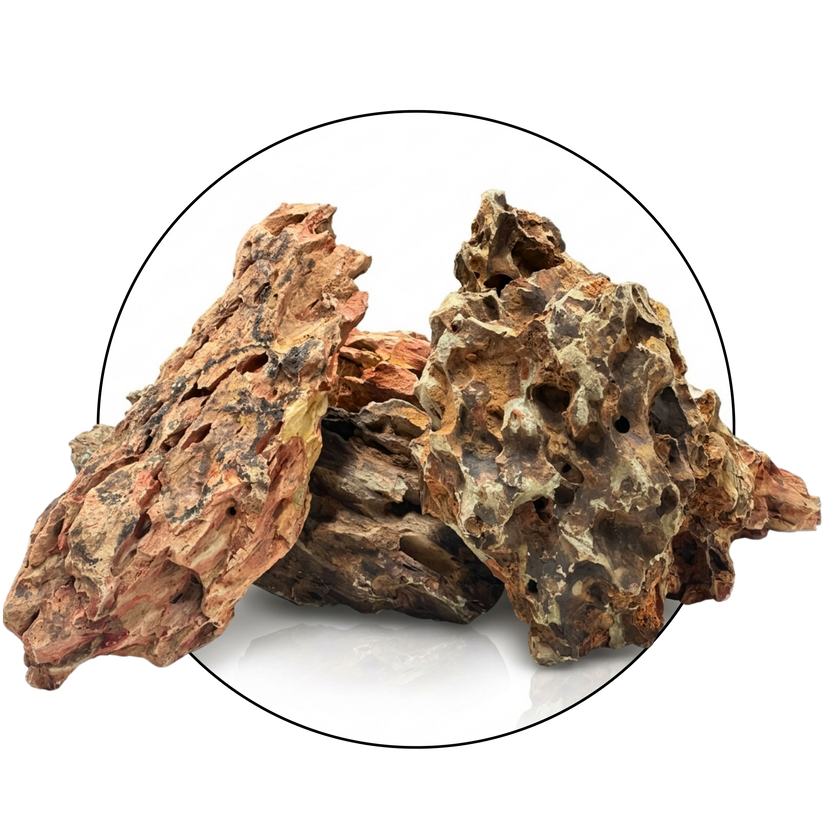
For example, purpose-sold options such as Dragon Rocks are commonly chosen for planted and freshwater layouts, while carbonate-containing stones may better suit aquariums where higher hardness and alkalinity are appropriate. Consider the rock alongside your livestock’s requirements rather than assuming one type works for every tank.
Why water chemistry matters: hardscape can influence hardness and alkalinity, so material choice should support the conditions your fish need. Research on juvenile pacu has also shown that the interaction between pH and water hardness can affect fish physiology, reinforcing the value of keeping parameters appropriate for the species being kept.
Step 2: Choose Aquarium-Suitable Driftwood
Choose driftwood sold or identified for aquarium use where possible. Different woods vary in density, shape, tannin release, and the time they take to become waterlogged. Some pieces may float at first, while others sink more readily after soaking.
Aquarium-suitable driftwood can add shelter and visual structure, but tannins may tint the water a tea colour during the early stages. This is usually a water-appearance and water-chemistry consideration rather than proof that the wood is unsafe. A known source and seller guidance make it much easier to decide whether a piece suits your setup.
How Do You Know If Natural Hardscape Is Suitable?
You cannot establish that an unknown rock or piece of wood is aquarium-safe simply by appearance. Consider where it came from, whether it may have been exposed to pollutants or coatings, whether it is crumbling or sharp, how it may affect water chemistry, and whether it is suitable for your livestock.
Avoid treating collected materials as ready for use just because they look clean. Unknown hardscape may have been exposed to garden treatments, road runoff, or other contaminants that are difficult to identify at home. For beginners, purpose-sold aquarium rocks and driftwood are generally easier to assess than unknown material gathered outdoors.
How Do You Prepare Aquarium Rocks and Driftwood?
Preparation removes loose debris and gives you a chance to identify problems before hardscape enters the aquarium. Keep the process focused on inspection, gentle cleaning, and monitoring rather than trying to make unknown materials safe through aggressive DIY treatment.
Step 3: Clean and Inspect Rocks Before Adding Them
Brush away loose dust, dirt, and debris using a dedicated brush and clean water. Do not use household detergents, scented cleaners, or other products that can leave residues on porous surfaces. Inspect every rock for crumbling areas, sharp edges, unstable layers, unexpected coatings, or damage that could create a hazard for fish or the aquarium.
For purchased hardscape, follow the supplier’s preparation instructions. If a stone is unusually soft, heavily weathered, coated, or difficult to identify, it is sensible to leave it out rather than relying on a single home test. Clean water and a thorough inspection are usually more useful than adding chemicals that are not specifically intended for aquarium use.
Should You Test Aquarium Rocks Before Using Them?
A simple vinegar or acid reaction can indicate that a rock contains carbonate material and may affect KH and pH. A visible fizz is a reason to consider whether those parameter changes suit your aquarium. No reaction, however, does not prove the rock is completely inert, fully identified, or free from contaminants.
| Test | What it can indicate | What it cannot prove |
|---|---|---|
| Visual inspection | Damage, coatings, sharp edges | Chemical safety |
| Acid or vinegar reaction | Possible carbonate reactivity | Complete mineral composition |
| Water soak and parameter testing | Possible changes to water parameters | Absence of every contaminant |
Testing water over time is more useful for identifying whether a particular piece is changing pH, KH, or GH. Record baseline results, then retest after the hardscape has been introduced or soaked separately according to the product guidance. Treat the results as one part of an ongoing assessment, not a guarantee that an unknown rock is suitable.
How Should Aquarium Driftwood Be Prepared?
Brush away loose debris and follow the seller or manufacturer’s instructions for the wood. Soaking may help some pieces become waterlogged and can reduce the initial tannin release, although the timing varies by wood type and size. It is normal for some driftwood to continue releasing colour for a while.
Tannin-stained water does not automatically mean the wood is unsafe. If the colour does not suit the look or water conditions you are aiming for, manage it through routine maintenance and suitable filtration media rather than assuming the wood needs to be discarded. Keep observing the wood as it settles into the tank, particularly if you have fish or invertebrates that are sensitive to parameter changes.
What Is the White Film on New Driftwood?
New driftwood can develop a white or translucent film after submersion. This is commonly associated with microbial growth on the wood’s remaining organic material and often reduces as the aquarium matures. In established freshwater setups, grazing livestock may consume it.
Monitor the wood rather than assuming every film is the same. If the timber becomes soft, breaks down excessively, smells unusual, or affects water quality, remove it and reassess the piece.
How Do You Secure Aquarium Rocks and Driftwood Safely?
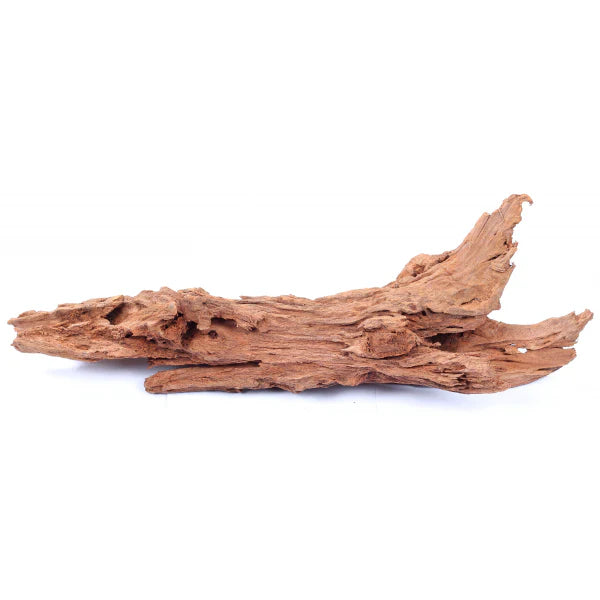
Hardscape is only suitable once it can stay secure in aquarium conditions. Consider weight, shape, substrate, tank construction, and livestock behaviour.
Step 4: Build a Stable Rock Structure
Aquarium rocks should be positioned so they cannot easily shift, topple, or fall against the aquarium glass. Start with the widest, most stable pieces and avoid relying on loose sand or gravel to hold a heavy formation in place.
Consider digging or burrowing fish, routine maintenance, and the chance that a rock could roll or trap livestock. Follow your aquarium manufacturer’s guidance for supporting heavy hardscape and use aquarium-safe support materials where appropriate. If a design feels unstable before the tank is filled, simplify it.
Step 5: Secure Floating Driftwood
Some driftwood naturally floats at first. Soaking can help depending on the piece, while suitable aquarium-safe attachment methods may be useful for some layouts. Any adhesive, tie, fastener, or support should be explicitly rated for aquarium use and compatible with the materials in your tank.
Check attached wood during the first weeks. Reposition or remove it if it loosens, rubs against glass, blocks equipment, or creates a tight space where fish could become trapped.
Monitor Water Parameters After Adding Hardscape
Test pH, KH, and GH after adding rocks that may influence mineral content, and keep an eye on ammonia and nitrite as part of normal cycling and maintenance. Watch driftwood for excessive deterioration and check that the hardscape remains stable.
FritzZyme 7 can support biological filtration when establishing or reinforcing a freshwater biofilter, but it does not make unsuitable rocks or driftwood safe. Material selection and secure installation still come first.
Aquarium Rocks and Driftwood FAQs
What Rocks Are Safe for Freshwater Aquariums?
Safe rocks for freshwater aquariums have a known composition, sound physical condition, and water-chemistry effect that suits the livestock. Purpose-sold aquarium rocks are usually the easiest starting point. Test and monitor reactive material rather than assuming it suits every freshwater tank.
Can Aquarium Rocks Change pH and Hardness?
Yes, some aquarium rocks can influence pH, KH, and GH, particularly if they contain carbonate minerals. This may suit harder-water setups but can be unsuitable for fish or shrimp that prefer softer conditions. Test the aquarium regularly after introducing reactive rock.
How Do You Know If Driftwood Is Safe for an Aquarium?
Start with aquarium-suitable driftwood from a known source, then inspect it and follow the supplier’s preparation guidance. Check for soft areas, unknown coatings, unusual odours, and instability. Unknown collected timber needs more caution because its history is harder to confirm.
Is Tannin-Stained Aquarium Water Bad for Fish?
Tannin-stained water is not automatically bad for fish. Driftwood can release natural compounds that colour the water, and the impact depends on the livestock, water parameters, and maintenance routine. Test the water and manage the colour if needed.
Can You Put Rocks and Driftwood Straight Into an Aquarium?
Rocks and driftwood should be inspected and prepared before they go into an aquarium. Remove loose debris, follow manufacturer guidance, check for physical hazards, and make sure the layout is stable. Monitor water parameters after installation rather than assuming a natural item is ready to use.
Choosing Safe Aquarium Rocks and Driftwood
Choosing safe aquarium rocks and driftwood comes down to more than appearance. Select materials that suit your livestock and water parameters, inspect and clean them carefully, follow preparation guidance, and make sure every piece remains stable once installed. Reactive rock, tannin release, and floating wood are not automatically problems, but they should be monitored in the context of your setup.
For suitable hardscape and setup essentials, explore:
- Aquarium rocks for freshwater layouts and hardscape foundations
- Aquarium driftwood for natural structure and shelter
- Aquarium supplies for testing, maintenance, and aquarium care