

Why High Ammonia in Your Tank Is the Number One Threat to Your Fish
High ammonia in tank water is a toxic buildup of nitrogenous waste that requires immediate water changes and chemical detoxification to prevent fish death. It is the most common cause of mortality in home aquariums because it is invisible and acts quickly on the gills of your livestock.
Quick answer: How to fix high ammonia in your tank
- Do a 30-50% water change immediately using dechlorinated water that matches the tank temperature.
- Stop feeding for at least 24 to 48 hours to reduce waste production.
- Increase aeration and surface movement to help fish breathe.
- Add an ammonia detoxifier like Seachem Prime to protect fish while levels stabilise.
- Check your filter and ensure you do not replace all media at once.
- Test your water with a reliable kit like the Sera NH4/NH3 Ammonia Test Kit.
- Remove any decaying matter from the substrate and tank immediately.
Ammonia is colourless and odourless at toxic levels, which makes it genuinely dangerous for any hobbyist. Your tank can look crystal clear while your fish are quietly suffocating due to chemical burns on their respiratory tissues. The first signs are often subtle, such as a fish gasping near the surface or sitting unusually still.
By the time things look serious, the internal damage is already underway and may be irreversible. What makes it worse is that ammonia becomes significantly more toxic as pH and temperature rise. A reading that seems manageable at a neutral pH can be far more harmful in an alkaline setup.
This is something a lot of hobbyists do not realise until it is too late for their fish. The good news is that ammonia problems are fixable, and with the right approach, they are also very preventable. I am Nemo Sulaiman from the team at Aquatees Fishland, and I help people work through these issues daily.
Having worked hands-on with a wide range of aquarium products and real customer problems, high ammonia in tank setups is one of the most common issues I see. Let us break down exactly what is happening in your tank and how to fix it properly using professional methods.
What Is Ammonia in an Aquarium?
Ammonia is a toxic chemical compound that enters your aquarium water primarily through fish waste and the decomposition of organic matter. In a healthy, established system, this ammonia is processed by beneficial bacteria through a biological process called the nitrogen cycle.
Think of ammonia like the exhaust fumes from a car, but for your fish. If the exhaust builds up in a closed garage, it becomes deadly. In an aquarium, the filter acts as the ventilation system that clears these fumes.
- Waste Product: Ammonia is excreted by fish through their gills and urine as a byproduct of protein metabolism.
- Decomposition: Uneaten food, dead plant leaves, and decaying fish all release ammonia as they break down in the water.
- The Goal: In a balanced tank, bacteria convert ammonia into nitrite, and then into less harmful nitrate which is removed via water changes.
Even very low levels, anything above 0.25 parts per million (ppm), can be harmful to fish health. Because it is invisible, regular testing is the only way to know if your biofiltration is keeping up with the waste produced.
Definition Box: Nitrification: The biological process where specialised bacteria oxidise ammonia into nitrite and then into nitrate. This is the engine of your aquarium's life support system.
Care Tip: Always use a liquid test kit rather than paper strips. Liquid kits are far more accurate for detecting the low levels of ammonia that can still cause long-term health issues.
Signs of High Ammonia Levels
When ammonia levels rise, your fish will start to show physical and behavioural symptoms that indicate respiratory distress. It is vital to act the moment you notice these changes, as prolonged exposure leads to permanent organ damage or death.
Fish behaviour
- Gasping at the surface: Fish often hang near the surface or the filter output where oxygen levels are highest because their gills are failing.
- Lethargy: You might notice your fish sitting on the bottom of the tank or showing a lack of energy to swim against the current.
- Loss of appetite: Stressed fish will often refuse food, which then rots and makes the ammonia spike even worse for the remaining inhabitants.
- Erratic swimming: Mad dashing or jerky movements are often the very first sign of acute ammonia irritation on the skin and scales.
Physical symptoms
- Red or inflamed gills: Ammonia literally burns the delicate tissues of the gills, making them look bright red, purple, or even bleeding.
- Clamped fins: Fish will hold their fins tight against their bodies as a sign of extreme stress and discomfort in the water column.
- Mucus production: Fish produce excess slime to protect their skin, which can ironically make it harder for them to absorb oxygen through their gills.
Tank indicators
- Cloudy water: A milky haze often indicates a bacteria bloom, which happens when there is a sudden spike in nutrients like ammonia.
- Strong odours: If the water smells off or like swamp water, organic decay is likely occurring at a rate the filter cannot handle.
Causes of High Ammonia
Understanding why high ammonia in tank systems occurs is half the battle in maintaining a healthy aquatic environment. Usually, it comes down to an imbalance between the waste being produced and the bacteria available to process it.
- Overfeeding: This is the number one mistake made by beginners. Uneaten food settles in the substrate and rots, releasing huge amounts of ammonia into the water.
- Overstocking: Too many fish in a small space create more waste than the filter can handle. Check our Guide to Fish Tank Size to ensure your bioload matches your volume.
- New Tank Syndrome: If a tank has not been cycled for 4 to 8 weeks, there are not enough beneficial bacteria to eat the ammonia produced by fish.
- Filter Mishaps: Cleaning your filter media in tap water, which contains chlorine, or replacing all the sponges at once kills your good bacteria.
- Decaying Matter: A dead fish hidden behind a rock or rotting plants can cause a massive spike overnight that wipes out the entire tank.
Care Tip: Always test your water daily for the first month of a new setup. Ammonia can jump from safe to toxic in just a few hours during the initial cycling phase.
Managing High Ammonia in Tank Systems
The toxicity of ammonia is not a fixed number, it is heavily influenced by your water chemistry and environmental factors. According to research on ammonia in aquatic systems, the ratio of toxic un-ionized ammonia (NH3) to relatively non-toxic ionized ammonium (NH4+) changes based on pH and temperature.
| pH Level | Temperature | % Toxic Ammonia (NH3) |
|---|---|---|
| 7.0 | 25°C | 0.5% |
| 8.0 | 25°C | 5.0% |
| 8.4 | 25°C | 15.0% |
As you can see, ammonia is ten times more toxic at a pH of 8.0 than at 7.0. In Melbourne, our tap water often contains chloramines, which is a mix of chlorine and ammonia used by water authorities.
When you use a standard dechlorinator, it breaks the bond, leaving behind ammonia that your filter must process immediately. This is why using a high-quality conditioner is essential for Melbourne fish keepers to ensure the safety of their livestock.
Definition Box: Total Ammonia Nitrogen (TAN): The combined measurement of both toxic NH3 and non-toxic NH4+. Most liquid test kits measure TAN to give you a complete picture of the water quality.
Signs of High Ammonia in Tank Fish
Sensitive species are the canaries in the coal mine for water quality and will show signs of distress before others. If you keep Discus, Ram cichlids, Otocinclus, Glass Catfish, or Pea Puffers, you must be extra vigilant with your testing routine.
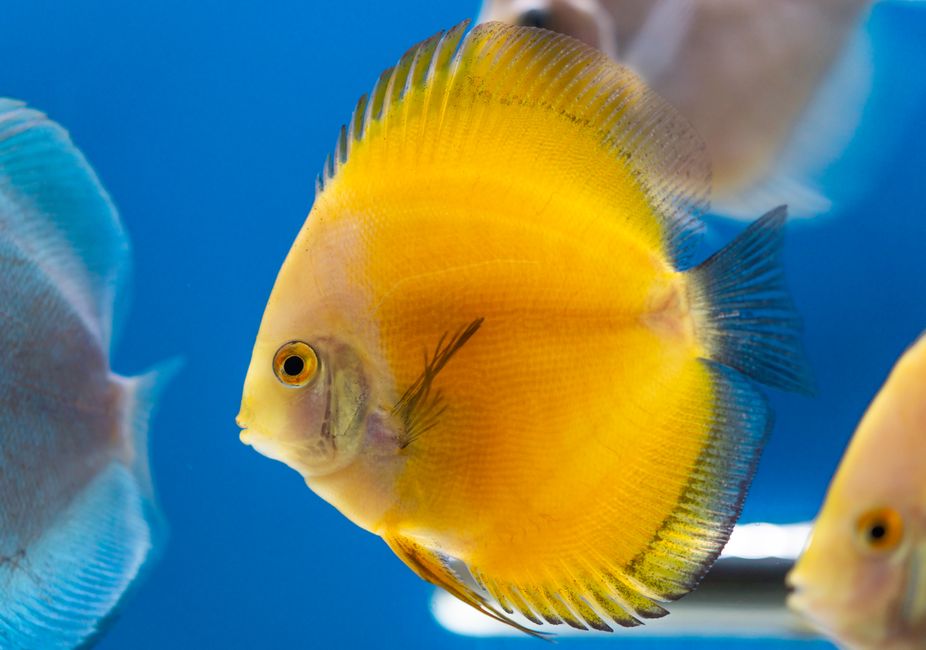
High ammonia interferes with a fish's ability to transfer oxygen from the water into its blood. It can also damage the hemoglobin, meaning even if there is plenty of oxygen in the water, the fish cannot use it effectively.
This leads to the characteristic gasping and mad dashing behaviour seen in many cases of ammonia poisoning. These sensitive species have very little tolerance for chemical fluctuations and will often perish if levels remain above 0.25 ppm for more than a few hours.
Priority Action Plan for Immediate Relief
If your test kit shows a reading higher than 0.25 ppm, you must follow this emergency protocol immediately to save your fish. Delaying action by even a few hours can lead to significant losses in your aquarium.
Step 1: Emergency Response
Perform a 30-50% water change using a high-quality water conditioner. This is the fastest way to physically remove the toxin from the environment. Ensure the new water is the same temperature as the tank to avoid further shocking the fish. Increase your aeration by adding an air stone or adjusting your filter to create more surface splashing for better gas exchange.
Step 2: Stabilise
Add a dose of Seachem Prime or Aquavitro Alpha. These products do not remove the ammonia, but they bind it into a non-toxic form for 24 to 48 hours. This gives your biological filter time to catch up without the fish suffering from chemical burns or respiratory failure.
Step 3: Reduce Production
Stop feeding your fish entirely for 48 hours to prevent more waste from entering the system. Fish can easily survive a few days without food, and this stops the production of new ammonia. Use Dymax White Wool Sponges in your filter to trap any floating particles of waste and remove them from the system during your next maintenance session.
How to Fix High Ammonia Levels
Once the immediate danger has passed, you need to fix the root cause of the spike to prevent it from returning. If your ammonia remains high even after water changes, the issue is likely hidden in your substrate or filter media.
- Siphon the Gravel: Use a vacuum to pull out rotting food and fish waste trapped in the sand or gravel bed.
- Check the Filter: Ensure the water is actually flowing through the media and not bypassing it. If it is clogged, gently rinse the sponges in a bucket of old tank water, never use tap water.
- Boost Bacteria: Add a concentrated dose of nitrifying bacteria like FritzZyme 7 to bolster your biological colony.
By following these steps, you address the physical waste and the biological deficiency at the same time. This dual approach is the most effective way to restore balance to a crashing aquarium system.
Long-Term Solution: Rebuilding the Nitrogen Cycle
The only permanent fix for high ammonia in tank water is a robust biological filter that can handle the bioload of your fish. This means cultivating a massive colony of Nitrosomonas and Nitrobacter bacteria within your filter media.
If you are starting a new tank, we recommend a fishless cycle using a source of ammonia and a bacterial starter. For those with fish already in the tank, products like Seachem Stability can help prevent New Tank Syndrome by adding the necessary bacteria daily for a week.

Special Note on Bettas
Many people keep Bettas in small bowls, which are prone to massive ammonia spikes due to the low water volume. We recommend a minimum of 10 gallons, approximately 38 litres, with a gentle filter like the Aquatees Jumbo Sponge Filter. Bettas require a fully cycled environment to thrive and maintain their vibrant colours and long fins.
Prevention of Future Ammonia Spikes
Preventing ammonia spikes is much easier than treating them once they occur. A proactive maintenance schedule and careful stocking are the keys to a stable and healthy aquarium for the long term.
- Do Not Overclean: Never replace all your filter media at once. You are throwing away your biological engine and will cause a cycle crash.
- Stock Slowly: Add only one or two fish at a time to allow the bacteria colony to grow and adjust to the new waste levels.
- Use Quality Media: Upgrade to high-surface-area media like Seachem Matrix, which provides more apartments for bacteria to live in.
- Regular Testing: Test your water weekly using the Sera NH4/NH3 Ammonia Test Kit to catch issues before they become deadly.
Care Tip: If you notice your fish acting strangely, the first thing you should do is test the water. Most aquarium problems are caused by water quality issues rather than diseases.
Aquarium Products Available at Aquatees Fishland
We stock everything you need to manage ammonia at our Melbourne warehouse. Every product we sell is quality-checked by our experts and packed securely for shipping across Australia to ensure it arrives in perfect condition.

- Sera NH4/NH3 Ammonia Test Kit: A smart first step for checking ammonia accurately and tracking Total Ammonia Nitrogen levels before they become dangerous.
- Seachem Prime: Useful in ammonia emergencies because it also handles chlorine and chloramine, which matters when tap water treatment can add extra stress to the tank.
- Aquaripacks Zeolite: A natural ammonia-absorbing media that can help lower spikes quickly while you address the root cause.
- Dymax Anti-Ammonia Rock: A practical option for ongoing ammonia control in tanks with heavier bioloads.
- Dymax White Wool Sponges: Helps trap solid waste before it breaks down and adds more ammonia to the water.

Using these professional-grade products ensures that you have the best tools available to protect your aquatic pets. We only stock brands that we use in our own tanks at Aquatees Fishland.
How These Products Work Together
A stable aquarium requires a layered approach to filtration to ensure all types of waste are managed effectively. Mechanical filtration, such as sponges, removes the solid waste before it can break down into ammonia.
Chemical filtration, like Seachem Purigen or Zeolite, removes dissolved toxins and organic compounds. Finally, biological filtration provides the long-term processing power needed to keep the water safe.
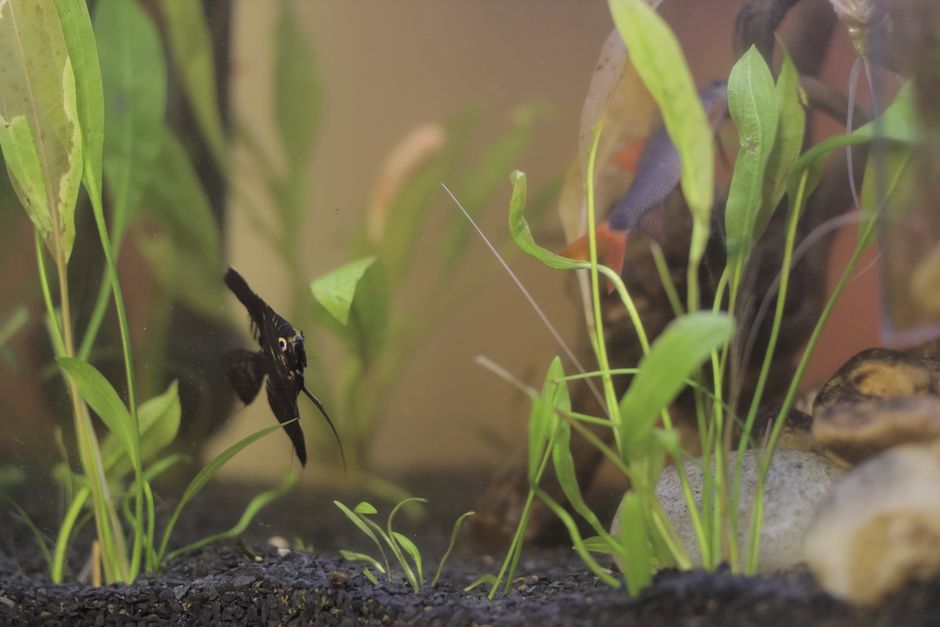
By combining these three methods, you create a safety net for your fish. If one part of the system fails, the others can help compensate until you can perform maintenance and restore the balance.
FAQ: How to Fix High Ammonia Levels in Your Tank
What causes high ammonia levels in aquariums?
The most common causes are overfeeding, overstocking, and New Tank Syndrome where the biological filter is not yet established. At Aquatees Fishland, we often see spikes caused by a dead fish, rotting plants, or cleaning filter media in chlorinated tap water which kills the beneficial bacteria.
What are the signs of ammonia stress in fish?
Look for fish gasping at the surface, rapid gill movement, and red or purple-looking gills. Stressed fish may also exhibit clamped fins, lethargy, or a sudden loss of appetite which indicates their internal organs are under significant pressure.
How do you fix high ammonia quickly?
Perform an immediate 30-50% water change and dose the tank with Seachem Prime to detoxify the remaining ammonia. Aquatees Fishland recommends stopping all feeding for 48 hours to prevent more waste from entering the system while the bacteria recover.
Does Seachem Prime remove ammonia permanently?
No, Seachem Prime binds ammonia into a non-toxic form called ammonium for about 24 to 48 hours. This protects your fish temporarily while your biological filter works to process the waste naturally through the nitrogen cycle.
How does zeolite work in aquarium filters?
Aquaripacks Zeolite is a chemical filtration media that acts like a magnet for ammonia ions. It pulls them out of the water and traps them within its structure, but it must be replaced once it becomes saturated to remain effective.
How long does it take to fix ammonia in a tank?
A water change and detoxifier work instantly to protect fish, but fixing the biological balance can take anywhere from a few days to several weeks. Aquatees Fishland suggests using bacterial boosters to speed up this recovery process significantly.
Can beneficial bacteria remove ammonia?
Yes, nitrifying bacteria like those in FritzZyme 7 are the only natural way to remove ammonia. They consume the ammonia and turn it into nitrite, and eventually into nitrate which is much safer for your fish.
Maintaining a Healthy Aquarium Environment with Low Ammonia
At Aquatees Fishland, we are more than just a shop, we are an aquarium warehouse dedicated to helping Melbourne hobbyists succeed with their aquatic displays. Whether you are dealing with a sudden spike or setting up your very first tank, our team provides practical and supportive advice based on years of experience.
All our products are quality-checked and come with the assurance of secure packaging and reliable delivery across Australia. We understand the urgency of water quality issues, which is why we prioritise fast dispatch for all essential water treatments.
Explore our trusted range for water quality:
- Shop Seachem Products for professional water conditioning.
- Shop Fritz Aquatics Range for powerful biological boosters.
- Shop Hikari Fish Food for high-quality nutrition that reduces waste.
Our Shipping Policy ensures that your order is handled with care from our Melbourne facility to your doorstep. We are committed to providing the best equipment and advice to keep your high ammonia in tank issues a thing of the past.