

Why a Biological Filter Sponge is the Heart of a Healthy Aquarium
What is a biological filter sponge?
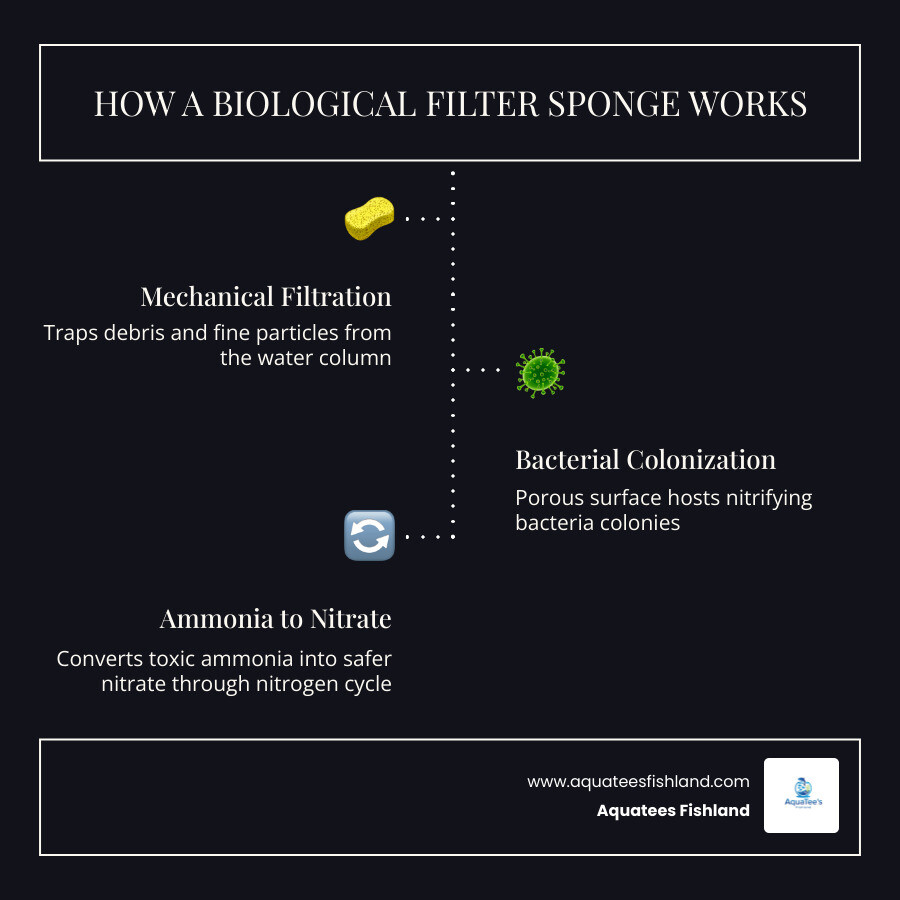
A biological filter sponge is a porous foam media placed inside an aquarium filter that does two important jobs at once: it physically traps waste particles from the water, and it provides a surface for beneficial bacteria to grow and break down toxic ammonia and nitrite.
| What It Does | Why It Matters |
|---|---|
| Traps debris and fine particles | Keeps water visibly clear (mechanical filtration) |
| Hosts nitrifying bacteria colonies | Converts toxic ammonia into safer nitrate (biological filtration) |
| Provides gentle, low-flow water movement | Safe for shrimp, fry, and small fish |
| Reusable and low cost | Long-term, budget-friendly filtration option |
| Works in freshwater and saltwater | Versatile across almost every tank type |
Every aquarium hobbyist eventually learns the same lesson: healthy fish come down to healthy water, not just the fish themselves. And healthy water depends almost entirely on having a stable colony of beneficial bacteria working away inside your filter media.
Without biological filtration, ammonia builds up fast. That is what causes the dreaded New Tank Syndrome that wipes out fish in newly set-up tanks before the owner even realises something is wrong.
A good biological filter sponge gives those bacteria exactly what they need: a massive, porous surface area to colonise, steady water flow to deliver oxygen and nutrients, and a permanent home that you can maintain without disrupting the colony.
Whether you are running a small shrimp tank, a betta setup, or a large community aquarium, this is one piece of equipment that genuinely earns its place in every tank.
My name is Nemo Sulaiman, and working hands-on with the full product range at Aquatees Fishland has given me a practical, ground-level understanding of how a biological filter sponge performs across real tank setups.
In this guide, I will walk you through everything you need to know to choose, set up, and maintain one properly.
What is a Biological Filter and Why is it Important?
A biological filter is a living colony of beneficial bacteria that quietly keeps your aquarium stable. These unseen microbes are essential because they turn toxic ammonia into nitrite, then into less harmful nitrate. In simple terms, they do the hard work of processing fish waste and leftover organic matter before it can build up and threaten your fish.
Aquariums rely on three types of filtration, and each one does a different job. Mechanical filtration physically traps uneaten food, fish waste, and floating debris so the water looks cleaner. Biological filtration is the most important for fish health because beneficial bacteria living on media like a biological filter sponge convert toxic ammonia and nitrite into less harmful nitrate. Chemical filtration uses media such as carbon or specialty resins to remove dissolved impurities, discoloration, and unwanted odours. In most tanks, these three work best together, but biological filtration is the part that keeps the nitrogen cycle stable and your livestock safe.
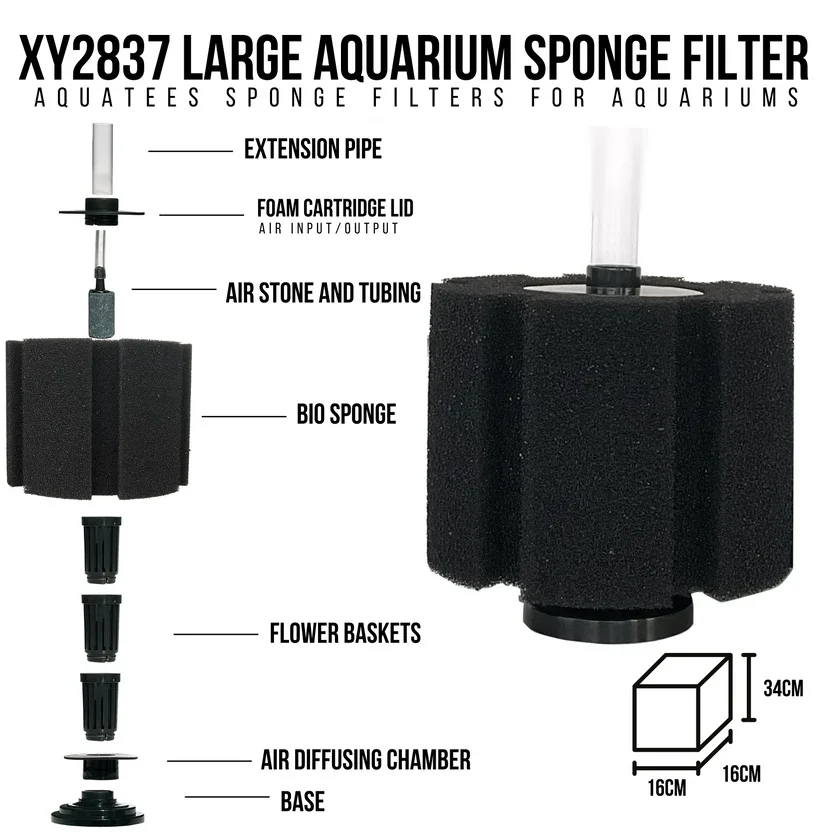
We often see beginners struggle with cloudy water or sudden fish loss. Usually, the culprit is an "unbalanced" tank. When fish eat and produce waste, or when uneaten food rots, it creates ammonia. In a tank with a healthy Aquatees Jumbo Bio Sponge Filter, this ammonia is quickly consumed by bacteria and turned into nitrite, and then into nitrate.
Why Every Beginner Needs a biological filter sponge
For someone just starting out, a biological filter sponge is often the best choice because it is incredibly forgiving. Unlike some complex canister filters that can be intimidating to set up, a sponge filter is simple. It provides both mechanical filtration (pulling out the "gunk" you can see) and biological filtration (cleaning the "toxins" you can't see) in one unit.
One of the biggest perks for beginners is the gentle flow. Many high-powered filters can toss small fish around like they are in a washing machine. A sponge filter, powered by an air pump, creates a gentle upward lift that oxygenates the water without creating harsh currents. This makes them perfect for the Best Fish Tanks for Beginners where you might be keeping more delicate species.
Common Biological Media Types for Australian Aquariums
While we love sponges, they are part of a wider family of biological media. In our Melbourne warehouse, we see hobbyists using a variety of materials to house their bacteria. The goal is always the same: maximize surface area. The more "nooks and crannies" a material has, the more bacteria it can hold.
- Ceramic Rings and Stones: These are highly porous and usually sit inside a filter box.
- Bio-Balls: Often used in larger sump systems for ponds or big display tanks.
- Filter Sponges: The most versatile option, as they can be used as a standalone filter or as a "pre-filter" to protect your main filter's motor.
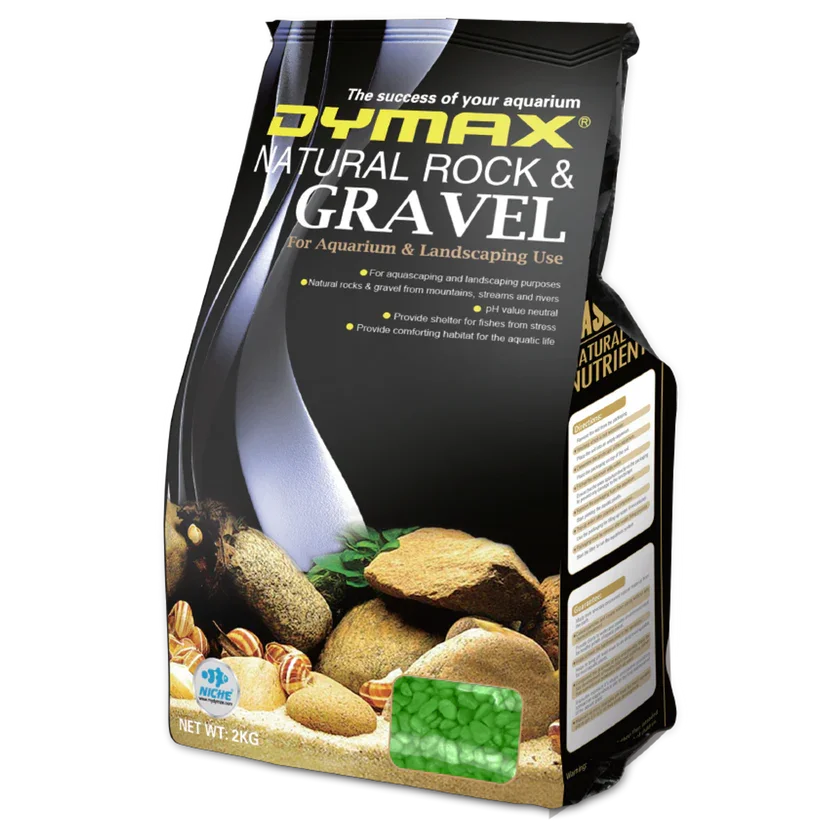
- Substrates: Even your gravel plays a role. Products like Dymax Green Gravel provide a comforting habitat while offering extra surface area for bacteria to grow on the tank floor.
To help you decide what you need, we have put together a quick guide based on tank volume. Choosing the right size ensures your bacteria have enough room to handle the bioload of your fish.
Choosing the Right biological filter sponge for Your Setup
When you Shop All Aquarium Sponges, you will notice different textures. This is measured in PPI, or Pores Per Inch.
- Coarse Sponges (Low PPI): These have larger holes. They don't clog easily and are great for biological growth because water flows through them easily, bringing plenty of oxygen to the bacteria.
- Fine Sponges (High PPI): These act more like "polishing" sponges. They trap tiny particles of dust and debris, making your water look crystal clear. However, they can clog faster, so they need more frequent rinsing.
If you are unsure about the volume of your tank, check out our Guide to Fish Tank Size to make sure you are matching your filter to your water capacity.
How Biological Filtration Works in Your Tank
Understanding the Nitrogen Cycle is the secret to being a successful fish keeper. It sounds technical, but it is actually a very natural process. It starts with ammonia (from fish waste). Bacteria called Nitrosomonas live on your biological filter sponge and "eat" that ammonia, turning it into nitrite. Then, another group of bacteria called Nitrobacter turn that nitrite into nitrate.
Nitrate is much less harmful and is eventually removed when you do your weekly water changes. To get this cycle started in a new tank, we highly recommend using a "bacteria starter" like Seachem Stability. It contains a synergistic blend of bacteria that prevents "New Tank Syndrome" by establishing your bio-filter rapidly.
For freshwater systems specifically, FritzZyme 7 is another fantastic option we stock. It contains live nitrifying bacteria that can cut the cycling time down from weeks to just days.
Special Considerations for Betta Care and Breeding
Sponge filters are the "gold standard" for specific setups like Betta tanks and breeding projects. Bettas are territorial and prefer calm waters; they have long, flowing fins that can easily be damaged by the strong intake of a hang-on-back or canister filter. We recommend a minimum of a 38 litre (10 gallon) tank for a single Betta.
Because a biological filter sponge is air-driven, it won't suck in your Betta's fins. It also won't suck in tiny baby fish (fry) or shrimp. If you are keeping a "nano" tank with shrimp and snails as tankmates, a sponge filter ensures they stay safe while the water stays clean. Our Aquatees Jumbo Bio Sponge Filters are a popular choice for these delicate environments because they provide massive surface area without the dangerous suction.
Best Practices for Maintenance and Preserving Bacteria
The most common mistake we see is people being "too clean" with their filters. If you take your biological filter sponge to the kitchen sink and scrub it under tap water, you will likely kill your entire bacteria colony. The chlorine in Australian tap water is a disinfectant designed to kill bacteria, including the good ones in your filter!
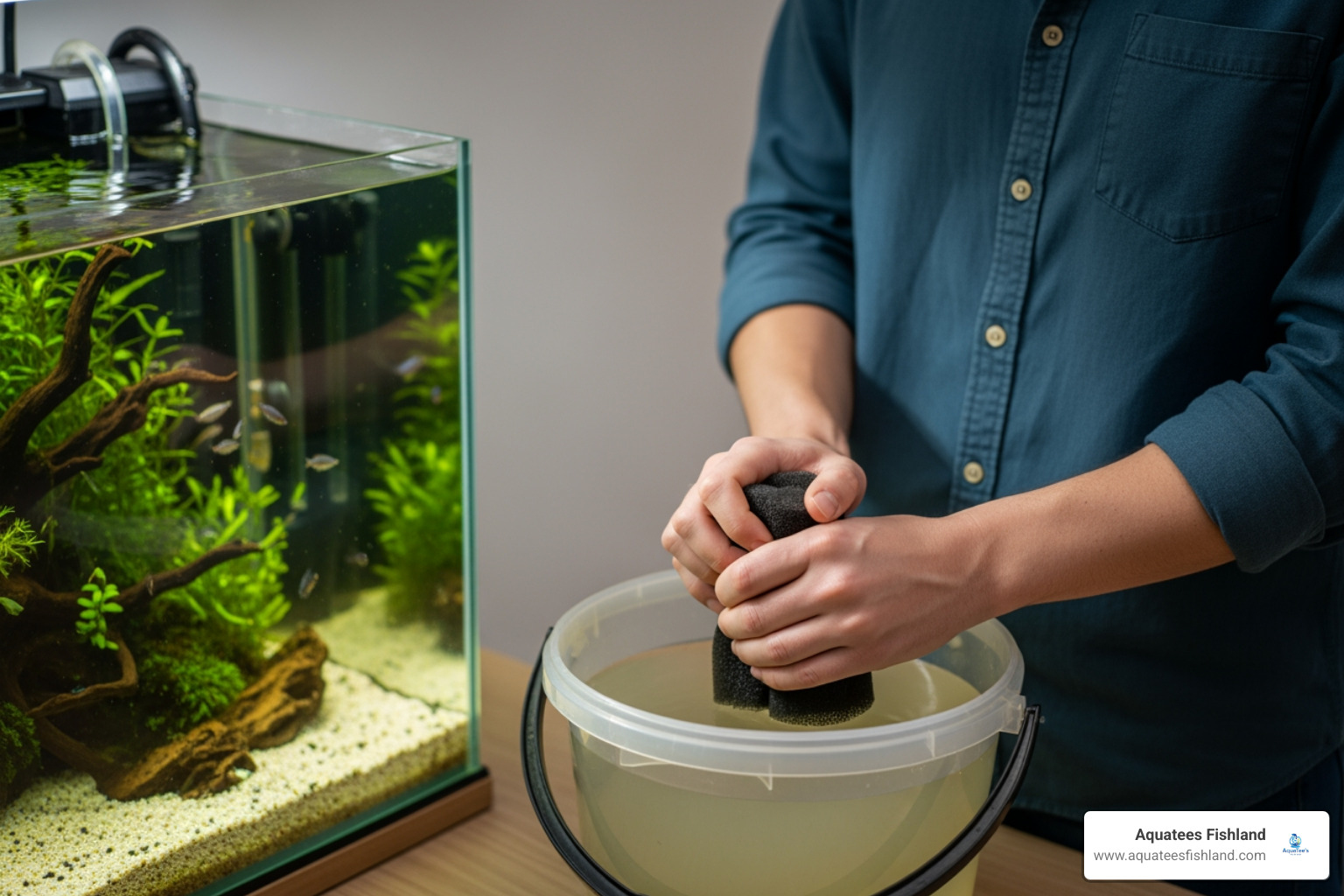
The Golden Rule of Cleaning: Always rinse your sponges in a bucket of old aquarium water that you have just taken out during a water change. This removes the physical muck but keeps the beneficial bacteria alive and well.
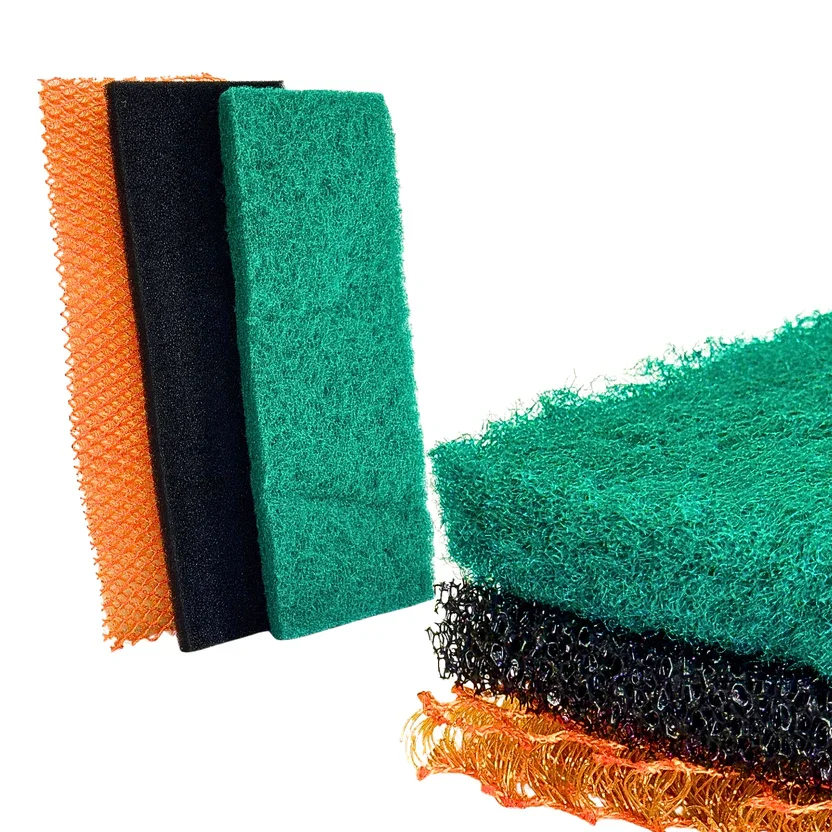
For those looking for a versatile option, the Aquatees 3-in-1 Bio Filter Sponge is brilliant. It features three layers: a non-woven pad for fine particles, a 30 PPI sponge for medium debris, and a bio-mesh for bacterial growth. It can be easily trimmed to fit almost any filter. Similarly, the Dymax White Wool Sponge is a non-toxic, reusable media that excels at trapping loose particles while providing a home for bacteria.
Advanced Filtration Upgrades for Large Systems
As you move into larger tanks (over 120 litres), you might find that a single sponge filter isn't enough to keep the water clear. This is where "stacking" your filtration comes in. Many hobbyists use a canister filter as their primary system and a sponge filter as a backup or "pre-filter."
For high-end setups, Periha EC External UV Canister Filters provide a massive amount of space for media. Inside these, you can use a combination of sponges and high-capacity biological media like Seachem Matrix. Matrix is a high-porosity inorganic solid that is about 10 mm in diameter. It provides over 700 square metres of surface area per litre, making it an incredible partner for your sponges in large systems.
Frequently Asked Questions about Aquarium Sponges
How often should I clean my biological filter sponge?
You should gently rinse your sponge every 2 to 4 weeks depending on your bioload. Always use old aquarium water rather than tap water to avoid killing the beneficial bacteria with chlorine. If you notice the water flow from your air-lift tube slowing down, it is usually a sign that the sponge is clogged and needs a quick squeeze.
Can I use a sponge filter as my only filtration method?
Yes, sponge filters are excellent standalone options for shrimp tanks, hospital tanks, and breeding setups. For larger community tanks with heavy bioloads, they work best as supplemental filtration or pre-filters. They are also great for quarantine tanks because they are easy to move from a main tank to a temporary one to provide an "instant" cycle.
How do I know if my biological filter is working?
The best way to verify your filter is working is by using a water test kit. A cycled and functioning biological filter will show 0ppm ammonia, 0ppm nitrite, and a gradual rise in nitrates over time. If you ever see ammonia or nitrite levels above zero, it means your biological filter is struggling or hasn't fully established yet.
Final Thoughts on Biological Filtration
At the end of the day, the biological filter sponge is a simple, effective, and time-tested tool that makes fish keeping easier for everyone. It bridges the gap between mechanical cleaning and biological health, ensuring your aquarium remains a safe haven for your fish. By choosing the right media and maintaining it with care, you are setting yourself up for years of enjoyment in the hobby.
Aquatees Fishland is your dedicated Australian aquarium warehouse, providing high-quality supplies to keep your aquatic ecosystem thriving. Based in Melbourne, we understand the local conditions and the needs of Australian hobbyists. Every order undergoes strict quality inspections and is shipped with secure packaging to ensure your gear arrives in perfect condition.
For more information on our delivery standards, please view our Shipping Policy.