

Maintaining an aquarium starts with giving fish stable water quality, suitable temperature, effective filtration, enough space, and a routine that suits the species you keep. A healthy tank does not need to feel complicated, but it does need consistent checks so small changes do not become stressful.
Because aquariums are closed systems, waste from food, fish, and plant matter can build up quickly. The right routine depends on tank size, stocking level, filtration, plants, substrate, and water-test results rather than one fixed schedule.
My name is Nemo Sulaiman, and I am part of the eCommerce and warehouse team at Aquatees Fishland with two years of experience helping customers choose fish, equipment, and products. I often answer maintenance questions, from filter care to water testing, so hobbyists can keep routines simple and safe.
What Does a Healthy Aquarium Need?

A healthy aquarium needs suitable water, temperature, tank mates, filtration, and enough room for the adult size and behaviour of each species. This section sets the baseline before you decide what to clean or adjust.
Water quality is usually the first thing to check when fish look stressed or the tank appears cloudy. In an established aquarium, ammonia and nitrite should generally stay at 0 ppm, while other targets vary by species and setup.
Filtration, space, and compatibility help keep that baseline stable. A filter traps particles and supports beneficial bacteria, while appropriate stocking reduces waste pressure and stress between tank mates.
A Simple Routine for Maintaining an Aquarium
There is no single aquarium maintenance schedule that suits every tank, but most home and office aquariums benefit from regular observation, testing, light cleaning, and equipment checks. Use the table below as a starting point, then adjust it according to livestock, water-test results, filtration, plants, and manufacturer recommendations.
| Frequency | What to Check or Do | Why It Helps |
|---|---|---|
| Daily | Observe fish, check temperature, inspect filter flow, feed carefully, remove obvious uneaten food | Helps catch issues early |
| Weekly | Test key water parameters, wipe glass as needed, check plants and decor | Tracks water quality and tank changes |
| Regularly / as needed | Perform partial water changes and lightly vacuum the substrate | Removes dissolved waste and debris |
| Monthly / as needed | Inspect filter components, hoses, air pumps, lights, and timers | Keeps equipment reliable |
Daily checks usually take only a few minutes. Watch how fish swim and feed, confirm the thermometer shows a suitable species-specific temperature, and make sure water moves through the filter normally. A dedicated aquarium maintenance checklist can help you record tasks without overcleaning the tank.
How to Perform a Partial Water Change
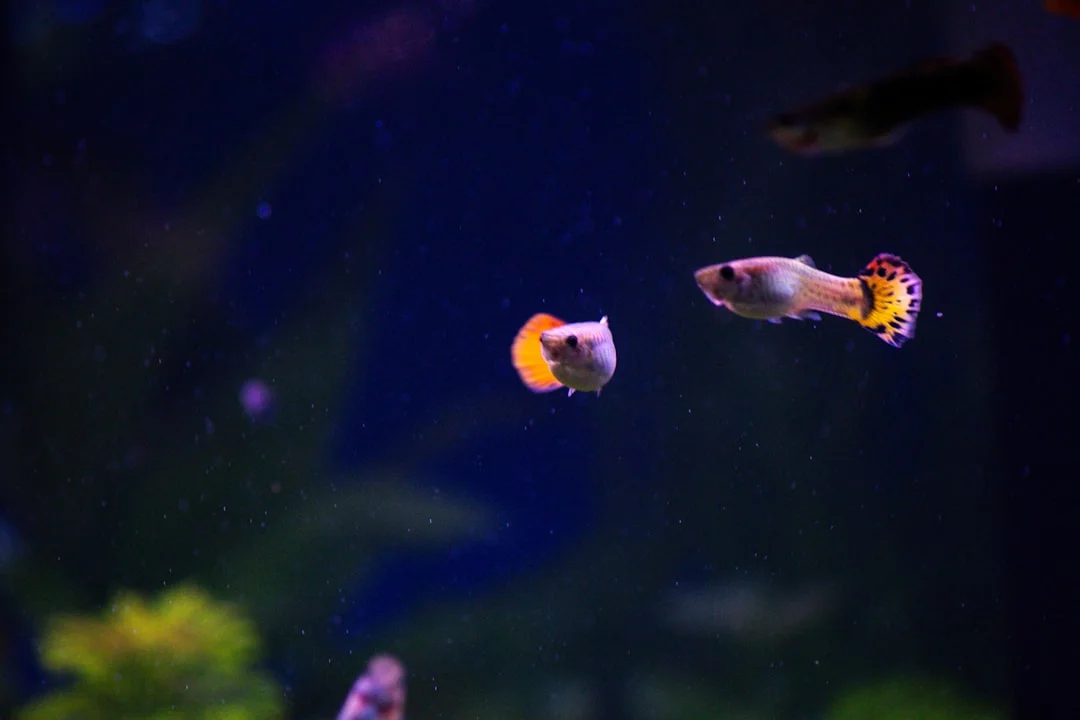
A partial water change removes dissolved waste and refreshes the aquarium without stripping the whole system back. Many tanks commonly need around 10% to 25% changed regularly, but the right amount and frequency depend on water-test results, stocking, filtration, feeding, and species.
How Much Water Should You Change?
Change enough water to keep test results stable without creating sudden temperature or chemistry shifts. A lightly stocked aquarium may need a smaller or less frequent change than a heavily stocked tank. Following a practical fish tank cleaning guide can help beginners understand the process, but your own tank conditions should guide the schedule.
How to Vacuum the Substrate
Use an aquarium siphon or gravel vacuum to lift settled fish waste, uneaten food, and decaying plant matter from the substrate. Move slowly so you remove debris without unnecessarily disturbing fish, plant roots, or beneficial bacteria. For safety, do not start a siphon by sucking on the hose. Use a siphon starter, squeeze bulb, or manual priming method designed for aquarium use instead.
How to Prepare Replacement Water
Treat tap water with a suitable aquarium conditioner before it goes into the tank. Conditioner helps neutralise chlorine, chloramines, and some heavy metals that may harm fish or filter bacteria. Try to match the replacement water temperature reasonably closely to the aquarium temperature.
How to Clean Your Aquarium Filter Without Disrupting Beneficial Bacteria
Clean aquarium filter media gently so trapped sludge is removed while useful bacteria are preserved. The filter is both a debris trap and a biological support system.
Beneficial bacteria support the nitrogen cycle, so filter cleaning should restore flow rather than reset the aquarium. If too much media is replaced or aggressively cleaned at once, the tank can become less stable.
Rinse reusable sponges, foam, and biological media in a bucket of removed aquarium water where appropriate rather than under untreated tap water. Avoid replacing every pad, sponge, and biological component at the same time unless the manufacturer specifically requires it. Explore Aquatees Fishland's water filter range when choosing filtration equipment.
Clean filter parts when flow slows, visible sludge builds up, or the manufacturer recommends servicing. Heavily stocked tanks may need more attention than lightly stocked planted aquariums.
How to Test Aquarium Water and Understand Cycling
Testing aquarium water helps you spot changes before fish behaviour makes a problem obvious. For beginners, useful routine checks usually include ammonia, nitrite, nitrate, pH, and temperature, with extra tests added where species or setup needs require them.
Use testing to guide decisions rather than repeating the same maintenance on autopilot. Results show whether the tank is stable, whether waste is building up, and whether conditions still suit the fish you keep.
A reliable water quality test kit is useful in new aquariums, after filter servicing, after adding fish, or whenever fish appear stressed. Record results so you can see trends instead of reacting to a single reading without context.
Why Aquarium Cycling Matters
Cycling matters because a new aquarium needs time to build enough beneficial bacteria to process waste. In simple terms, it helps the filter become biologically ready for livestock.
New aquariums often need closer monitoring while biological filtration becomes established. Cycling commonly takes several weeks, but timing can vary depending on filtration, temperature, seeding products, stocking, and maintenance habits.
How Do You Know an Aquarium Is Cycled?
An aquarium is generally considered cycled when waste readings remain stable after a suitable waste source and normal maintenance keeps the tank under control. Testing gives a safer picture than relying only on a calendar date.
If ammonia or nitrite appears in an established aquarium, reduce feeding temporarily, increase aeration where suitable, test again, and perform a partial water change if needed. Bottled bacteria products may help support the filter, but results vary.
How to Keep Fish Healthy and Reduce Aquarium Stress
Healthy fishkeeping is mostly about stable conditions, suitable tank mates, careful feeding, and a habitat that matches the species. These habits reduce waste, support natural behaviour, and make maintenance easier.
Feed only what fish can usually consume within a short period, then remove obvious uneaten food. Overfeeding can increase organic waste, which may contribute to cloudy water or algae.
Avoid overstocking by considering adult fish size, waste production, swimming space, and filtration capacity. Crowded tanks can make maintenance harder and may increase aggression or stress.
Many fish benefit from suitable plants, decor, caves, or shaded areas, depending on the species. Research materials before adding them to the tank, avoid unknown natural items or unsafe preparation methods, and follow product guidance.
Common Aquarium Problems and What to Check
Troubleshooting checks can help you respond calmly without turning every issue into a full diagnosis. Start with recent changes, water quality, temperature, tank mates, equipment, and trusted welfare guidance such as the RSPCA Knowledgebase before adding treatments.
Why Is My Aquarium Water Cloudy?
Cloudy aquarium water can come from a new-tank bacterial bloom, unwashed substrate, overfeeding, excess organics, or filtration issues. Check feeding amounts, filter flow, recent setup changes, and water-test results.
Why Is My Aquarium Growing Algae?
Algae often increases when light and nutrients are out of balance. Check lighting duration, direct sunlight, leftover food, nitrate, phosphate, and debris removal.
Why Is My Fish Acting Differently?
Fish behaviour can change because of water quality, temperature shifts, aggression, recent tank changes, unsuitable tank mates, or illness. Check the environment first, then seek species-specific advice if symptoms continue.
Common Questions About Maintaining an Aquarium
How often should I change my aquarium water?
Change aquarium water often enough to keep test results stable and fish behaviour normal. Many tanks use partial changes in the 10% to 25% range, then adjust based on the setup.
How often should I clean my aquarium filter?
Clean your aquarium filter when flow slows, visible sludge builds up, or the manufacturer recommends servicing. The goal is to restore movement, not scrub every useful surface.
How do I know if my aquarium water is healthy?
Healthy aquarium water suits the species you keep and stays consistent over time. Clear water helps, but testing is more reliable because some problems are not visible.
Why is my fish tank cloudy after a water change?
A fish tank can look cloudy after a water change if debris was stirred up, substrate was disturbed, filter flow changed, or the aquarium is still settling.
How do I know if my fish are stressed?
Fish stress may show as hiding, clamped fins, unusual swimming, gasping, loss of appetite, or aggression. Compare behaviour with recent tank changes to narrow down the cause.
Maintaining a Healthy Aquarium for Happy Fish
Maintaining an aquarium successfully comes down to steady routines rather than one big clean. Observe fish daily, test water regularly, perform partial water changes based on the aquarium's needs, and clean filter media carefully so beneficial bacteria are not disrupted.
Every aquarium is different, so adjust your routine around fish species, stocking, tank size, filtration, plants, substrate, water parameters, and manufacturer recommendations. Aquatees Fishland supports Australian hobbyists with practical aquarium equipment and supplies for home and office setups.
Useful next steps:
- Explore aquarium care solutions for water treatment and routine maintenance support.
- Compare suitable aquarium filtration options for your tank size and livestock.
- Review a step-by-step aquarium maintenance checklist before your next water change.