

Why Recognising the Signs of Fish Stress Early Can Save Your Fish
The most common signs of fish stress include:
| Sign | What to Look For |
|---|---|
| Loss of appetite | Refusing food or spitting it out |
| Excessive hiding | Staying out of sight far more than usual |
| Rapid breathing | Fast gill movement or gasping at the surface |
| Clamped fins | Fins held tight against the body |
| Faded or darkened colour | Washed-out or unusually dark colouration |
| Erratic swimming | Darting, glass surfing, or swimming in circles |
| Flashing or scratching | Rubbing against decor or substrate |
Fish do not show stress the way a dog or cat might. They are wired to hide weakness as a survival instinct, which means by the time the signs are obvious, things may already be further along than you would like.
The tricky part is that a stressed fish is not just uncomfortable. Chronic stress actively weakens the immune system, making your fish far more vulnerable to bacterial infections, fungal issues, and parasites like ich. A tank that looks fine on the surface can still be quietly stressing your fish if the water chemistry is off, the tank is overcrowded, or the wrong species are living together.
Sensitive species like Discus, German Blue Rams, Otocinclus, Glass Catfish, and Pea Puffers are especially quick to show the effects of an unstable environment. And for aquarists in Australia, factors like Melbourne tap water (which contains chlorine and chloramine) and winter temperature drops inside the home can add extra pressure on your tank without you even realising it.
This guide walks you through all 7 key signs to watch for, what causes them, and exactly what to do about it.
I'm Nemo Sulaiman, part of the team at Aquatees Fishland, and through working hands-on with a wide range of aquarium products and helping customers troubleshoot real tank problems every day, I've seen how quickly signs of fish stress can escalate when they go unnoticed. Whether you're keeping a community tank or caring for sensitive species, catching these signs early makes all the difference.
Understanding What Fish Stress Is and Why It Matters
In the simplest terms, stress in fish is a physiological response to environmental pressure. When a fish feels that its surroundings are no longer safe or suitable for its biological needs, its body releases hormones like Corticosteron. This is part of a "fight or flight" mechanism designed to help the fish survive a short-term threat, such as escaping a predator.
Mini Definition: Fish Stress Fish stress occurs when environmental conditions (like water quality, temperature, or social dynamics) deviate from a fish's natural requirements. This forces their internal organs to work harder to maintain balance, eventually leading to a weakened immune system.
However, in an aquarium, the stressor often does not go away. This leads to chronic stress. While a healthy, unstressed fish can usually ward off minor diseases and infections on its own, a stressed fish is a weakened fish. It lacks the energy to maintain its immune response because that energy is being diverted to survival functions.
Research shows that fish densities in nature average around 1-2 fish per square meter. Most home aquariums, even those between 150 and 750 litres, are significantly overstocked compared to these natural conditions. This proximity to other fish and the buildup of waste products makes it vital to choose the Best Fish Tanks for Beginners and monitor for any signs of fish stress daily.
7 Key Signs of Fish Stress in Your Aquarium
Identifying stress requires a keen eye. Because fish are experts at masking symptoms to avoid looking like easy prey, we have to look for subtle changes in their behaviour and appearance. Early detection is the difference between a quick water change and a total tank wipeout.

Loss of Appetite as a Sign of Fish Stress
If your fish usually rushes to the glass at feeding time but suddenly ignores their pellets or frozen bloodworms, something is wrong. A loss of appetite is one of the most reliable signs of fish stress. It often signals a metabolic slowdown caused by poor water quality or internal discomfort.
Ammonia and nitrite spikes are the most common culprits here. Even low levels of these toxins can make a fish feel "nauseous" or lethargic. Sudden temperature swings, especially during a Melbourne winter if your heater is struggling, can also cause fish to stop eating as their metabolism drops.
Care Tip: Discus and German Blue Rams These species are notoriously picky eaters when stressed. If they refuse food, check your temperature and ammonia levels immediately. Using a product like Seachem Stability can help bolster your biological filter during these critical times.
Excessive Hiding and Social Withdrawal
While some fish are naturally shy, a fish that is suddenly hiding 24/7 is likely feeling vulnerable. This is common in social species like Glass Catfish or the inquisitive Pea Puffer.
Excessive hiding can be caused by light sensitivity, especially if your aquarium lighting is too intense without enough plant cover. It can also be a sign of territorial disputes. If a bully in the tank is chasing a specific fish, that fish will hide to survive.
Care Tip: Glass Catfish and Pea Puffers Glass Catfish need to be in schools of at least six to feel secure. If you notice them hiding individually, try dimming your Dymax Lights or adding more floating plants to create a sense of security.
Identifying Signs of Fish Stress Through Breathing
Rapid gill movement or gasping at the water's surface is a red alert. This indicates that the fish is struggling to get enough oxygen or that its gills are being damaged by toxins like nitrite.
When nitrite levels rise, it enters the fish's bloodstream and prevents it from carrying oxygen effectively (a condition known as brown blood disease). The fish will gasp at the surface where oxygen levels are highest, even if the water seems clear.
Care Tip: Otocinclus
Otos are extremely sensitive to low oxygen. Ensure you have plenty of surface agitation. An Aquatees Jumbo Sponge filter is excellent for providing both biological filtration and the aeration these little guys need to thrive.
Clamped Fins and Physical Deterioration
Clamped fins occur when a fish holds its fins tight against its body rather than swimming with them spread wide. It is the fish equivalent of a human huddling in a cold wind. This is a very common sight in Bettas and Fancy Goldfish when they are unhappy with their environment.
In unheated Australian homes, cold water is a major cause of clamped fins for tropical fish. For Bettas, we recommend a 40-litre (10 gallon) minimum tank size to allow for stable heating and filtration without creating overwhelming currents.
Care Tip: Fancy Goldfish
Goldfish produce a lot of waste. If they show clamped fins, it is usually a sign of "dirty" water or high nitrates. A high-quality filter like the Periha EC Canister can help keep the water pristine and the fins flowing.
Faded or Darkened Colouration
Fish require a significant amount of energy to maintain their vibrant colours. When they are stressed, they divert that energy toward survival, causing their iridocytes (colour-reflecting cells) to dim.
Neon Tetras might lose their bright red stripe and look washed out, while Discus may develop dark "stress bars" or turn almost black. This is often a reaction to poor water quality or the shock of being moved to a new tank.
Care Tip: Neon Tetras and Discus
To help restore colour, focus on water stability. Adding beneficial bacteria like FritzZyme 7 ensures that your nitrogen cycle is robust, reducing the chemical stress that causes fading.
Erratic Swimming and Glass Surfing
If you see your fish darting wildly across the tank, crashing into decor, or swimming up and down the glass incessantly (glass surfing), they are likely in a state of panic.
This neurological stress is often caused by a sudden change in water parameters, such as a large pH swing or a temperature shock during a water change. It can also happen in "immature" tanks that have not been properly cycled, leading to fluctuating toxin levels.
To help prevent this, we suggest using Seachem Matrix in your filter. It provides a massive surface area for bacteria to grow, which keeps your water parameters much more stable and prevents the "invisible" swings that cause erratic behaviour.
Flashing or Scratching Against Decor
"Flashing" is when a fish swims quickly and rubs its side against a rock, plant, or the substrate. It is trying to scratch an itch. This is usually a sign of external parasites like Ich (white spot) or velvet, or irritation from high ammonia levels.
While it is tempting to dump medication in immediately, first check your water quality. Irritated slime coats are often the first sign of a chemical imbalance. If the water is perfect, then you can look into specific treatments for stressed fish.
Primary Causes of Stress in Aquarium Fish
Understanding the causes is just as important as recognising the symptoms. Most stress in Australian aquariums comes down to a few key factors that are easily managed with the right routine.
| Stressor | Impact on Fish | Solution |
|---|---|---|
| Melbourne Tap Water | Chlorine and chloramine burn gills | Always use a high-quality conditioner |
| Seasonal Temperature Swings | Weakens immune system | Use a reliable heater with a thermostat |
| Nitrogen Cycle Failure | Ammonia and Nitrite poisoning | Regular testing and bacterial boosters |
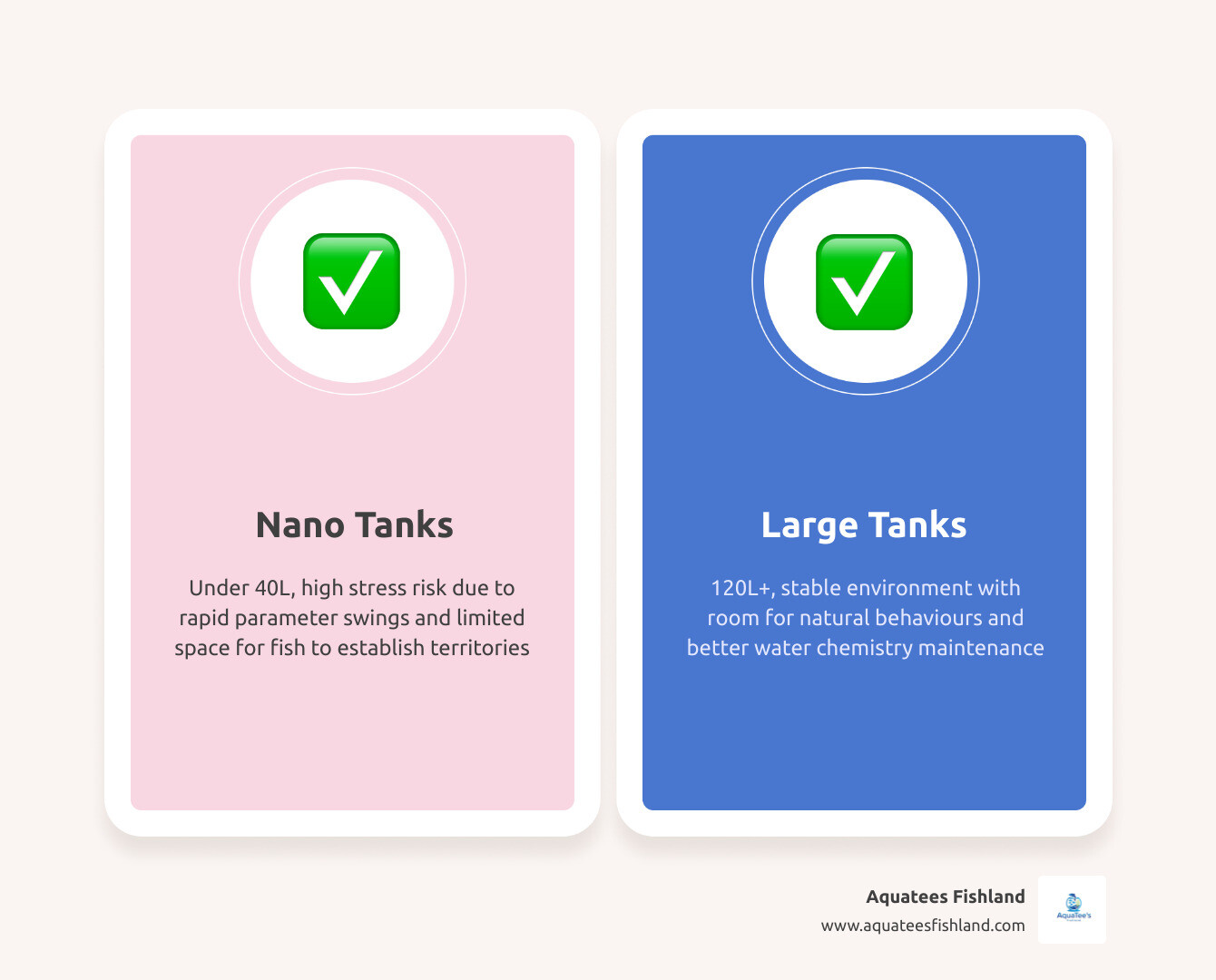
| Overstocking | Aggression and high waste levels | Follow the Guide to Fish Tank Size |
One of the biggest hurdles for Melbourne fish keepers is the presence of chloramine in the tap water. Unlike chlorine, which evaporates over time, chloramine is stable and very toxic to fish. Every time you do a water change, you must use a product like Seachem Prime to neutralise these chemicals instantly.
Emergency Care for Sick or Stressed Fish
When things go wrong, you need to act fast. Here is our urgent response guide for the most common emergency situations.
What should I do immediately if my fish looks like it is dying?
The first step is a 30-50% water change using dechlorinated, temperature-matched water. This dilutes any potential toxins and provides a fresh boost of minerals. Increase your aeration immediately by adding an air stone or adjusting your filter output to create more surface splash. Finally, stop feeding for 24-48 hours. This reduces the load on your filter while you stabilise the environment.
My fish is gasping at the surface — what does it mean?
This almost always means your fish cannot breathe. It is likely either a lack of dissolved oxygen in the water or nitrite poisoning. Increase surface agitation immediately to help gas exchange. If the fish does not move away from the surface within an hour of increased aeration, perform a partial water change and check your filter for any blockages or failures.
How do I handle a sudden disease outbreak in the tank?
If you see visible spots or fungus, move the affected fish to a separate quarantine tank if you have one. This prevents the spread and allows you to treat the sick fish without affecting the healthy ones. Do not rush to medicate the main tank unless absolutely necessary, as many medications can crash your beneficial bacteria. Focus on improving water quality first, as most outbreaks are triggered by a dip in water health.
Should I use medication right away?
No, we generally advise against "shotgunning" medications. Many signs of fish stress are caused by water chemistry, not a pathogen. Adding medication to a tank with poor water quality just adds more chemical stress to an already struggling fish. Only use medication once you have confirmed the water parameters are correct and you have identified a specific disease.
What if I am in Melbourne and only have tap water?
Melbourne tap water is excellent, but it is treated with chloramine to keep it safe for humans. This is deadly for fish. Always use a conditioner like Seachem Prime before the water touches your tank. In winter, avoid the temptation to use hot water from the tap to match temperatures, as hot water pipes often contain more dissolved metals. Instead, let your water sit or use a dedicated aquarium heater to bring it to temperature.
More about Aquarium Supplies
Which water conditioner is best for Melbourne tap water?
We highly recommend Seachem Prime. It is incredibly concentrated and effectively removes both chlorine and chloramine while detoxifying ammonia and nitrite for up to 48 hours. This makes it an essential tool for any Melbourne hobbyist dealing with tap water changes or unexpected mini-cycles.
How do I quickly cycle a new aquarium to prevent stress?
The safest way to speed up the nitrogen cycle is by adding live nitrifying bacteria. Products like FritzZyme 9 (for saltwater) or FritzZyme 7 (for freshwater) introduce the actual strains of bacteria needed to convert waste. This helps prevent the "new tank syndrome" that causes so much stress for beginners.
What is the best way to maintain crystal clear water?
For that polished, high-end look, Seachem Purigen is unbeatable. It is a synthetic adsorbent that removes soluble and insoluble impurities from the water, clearing up tea-coloured tannins or cloudy water far faster than traditional carbon. Combine this with a high-quality diet like Hikari pellets to ensure your fish produce less waste in the first place.
Expert Tips for a Stress-Free Aquarium Environment
At Aquatees Fishland, we believe that a healthy aquarium starts with quality components. We operate as a specialist warehouse in Australia, ensuring that every product we sell is quality checked before it leaves our doors. We know how important it is for your gear to arrive safely, which is why we use secure packaging for all our Shipping Policy orders across the country.
By focusing on the "Big Three" of fish keeping—stable temperature, clean water, and appropriate social groups—you can prevent almost all signs of fish stress. Whether you are building a high-tech Discus display or a simple Betta sanctuary, we are here to support you with expert advice and the best brands in the industry.
Explore our full range of trusted solutions:
- Shop the Seachem Collection for water stability
- Browse Fritz Aquatics for professional-grade water care
- Check our latest Aquarium Supplies and bargain deals
Healthy fishkeeping is built on fast observation and consistent maintenance. Keep a close eye on your aquatic friends, and they will reward you with years of vibrant beauty.