

Why Getting Your First Freshwater Aquarium Right Matters
Starting a freshwater aquarium is one of the most rewarding things you can do as a first-time fish keeper, but it's also one of the easiest hobbies to get wrong without the right guidance.
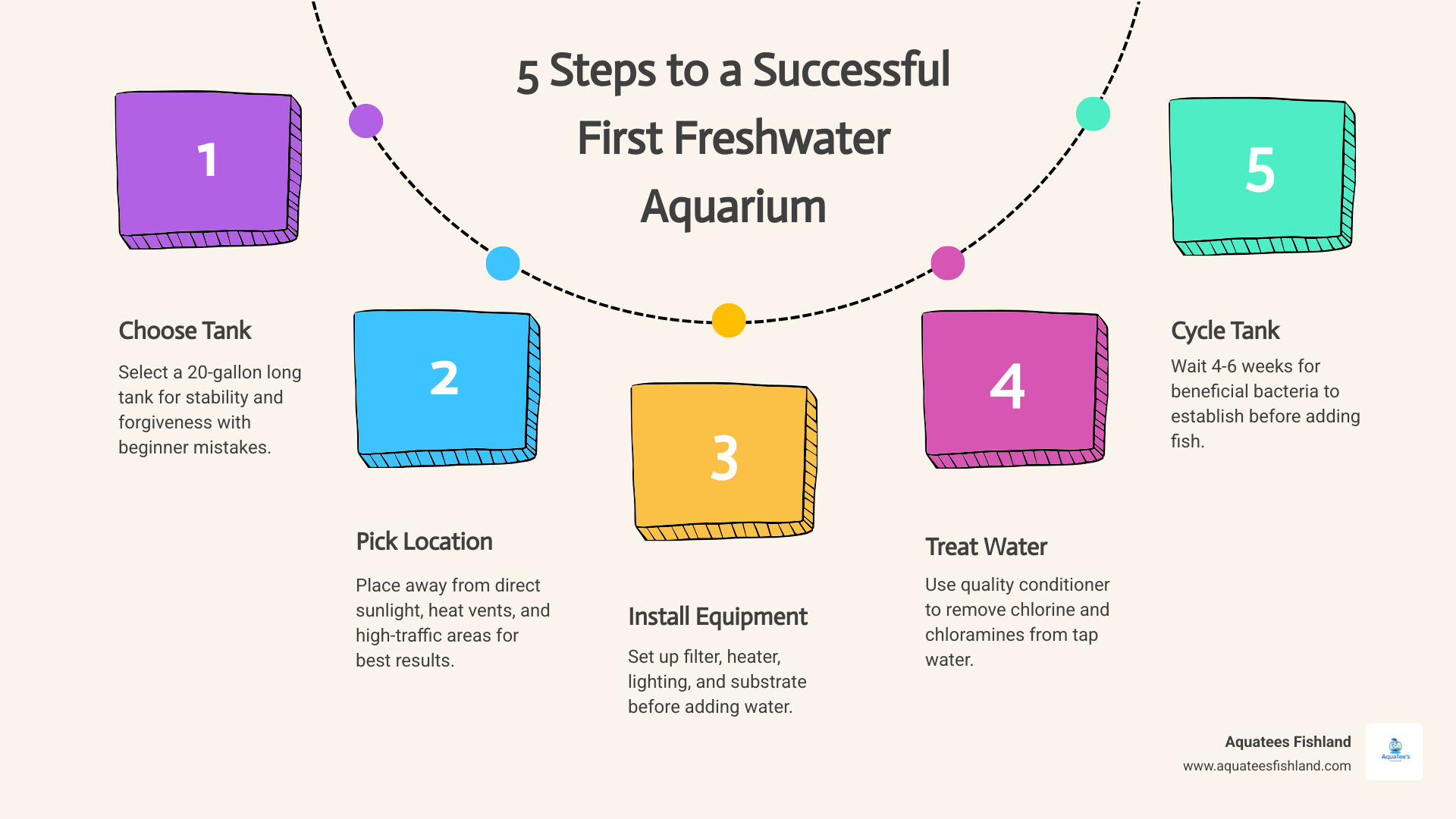
Here's a quick overview of the core steps to get started:
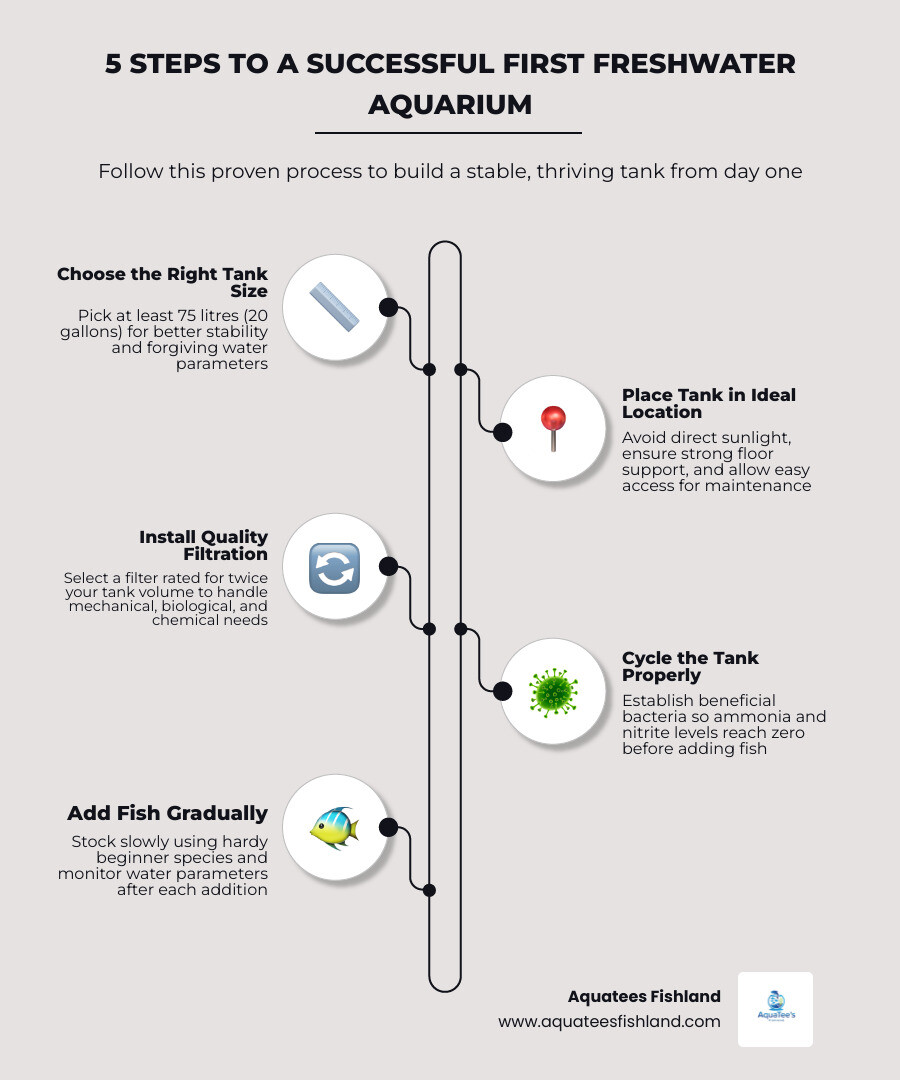
- Choose the right tank size — a 20-gallon long (around 75 litres) is the best starting point for most beginners
- Pick a safe location — away from direct sunlight, heat vents, and high-traffic areas
- Set up your equipment — filter, heater, lighting, and substrate before adding any water
- Treat your tap water — use a quality water conditioner to remove chlorine and chloramines
- Cycle your tank — allow 4 to 6 weeks for beneficial bacteria to establish before adding fish
- Add fish gradually — start with 2 to 3 hardy species and increase slowly over weeks
- Maintain consistently — weekly water changes and regular testing keep everything stable long-term
Good water quality is the foundation of a healthy aquarium. Think of it this way: the water your fish live in is as important to them as the air we breathe. Get that right, and everything else becomes much easier to manage.
A lot of beginner frustration (cloudy water, sick fish, and those “why is everything dying?” moments) usually comes down to one thing: rushing the process before the tank is actually ready. The good news is it’s not rocket science (and your fish are definitely not judging your life choices). Once you understand the basics, it all clicks. Success really comes from the right setup and a bit of patience, not guesswork or panic-buying “fix-it” bottles at 9pm.
This guide walks you through everything you need to know, from choosing your first tank and equipment to cycling, stocking, and long-term maintenance so you’re not googling “why is my fish floating upside down” at 2am in a mild panic. Whether you're starting from scratch or trying to fix an early mistake, you're in the right place.
I'm Nemo Sulaiman, part of the eCommerce and warehouse team at Aquatees Fishland, and I've spent the last two years helping beginners navigate starting a freshwater aquarium. Everything here is based on real situations we see every day, so you can set your tank up with confidence from the start.
Choosing the Right Freshwater Fish Tank Setup
Selecting your first aquarium is more than just picking a pretty glass box; it is about creating a stable environment where your fish can thrive. In our experience at Aquatees Fishland, the most successful beginners are those who plan their setup before the first drop of water hits the glass.
What Size Fish Tank Is Best for Beginners?
It might seem counterintuitive, but a larger aquarium is actually easier to maintain than a small one. We generally recommend a 20-gallon long (approximately 75 litres) as the ideal fish tank for beginners.
The reason is simple: water volume acts as a buffer. In a small 5-gallon tank, a single piece of uneaten food can cause a massive ammonia spike that harms your fish. In a 75-litre tank, that same waste is diluted, giving you a greater margin for error. Larger tanks also provide more swimming space, which is essential for active species like Neon Tetras.
For more detailed dimensions, check out our guide to fish tank size.
Starter Kits vs Custom Aquarium Setups
When you are starting a freshwater aquarium, you will likely choose between a pre-packaged starter kit and a custom setup. Starter kits are convenient because they include the tank, lid, and basic lighting. However, custom setups allow you to choose higher-quality components, such as a more powerful filter or a specific LED light for plants. We offer luxury fish tank sets that bridge this gap, providing high-end aesthetics with reliable internal components.
Choosing the Right Location for Starting a Freshwater Aquarium
Where you place your tank is just as important as what goes inside it. Avoid direct sunlight, which can cause rapid algae growth and unpredictable temperature swings.
Consider these placement rules:
- Weight: A full aquarium weighs about 1.2kg per litre. A 75-litre tank will weigh nearly 100kg once you add gravel and decor. Ensure your stand is rated for this weight.
- Accessibility: Leave enough room above and behind the tank for maintenance and cords.
- Power: You will need at least 3-4 power outlets for your filter, heater, and light.
Common Beginner Tank Setup Mistakes
One of the biggest mistakes we see is "New Tank Syndrome," which happens when fish are added to a tank that hasn't been cycled.
Other common pitfalls include using household soaps to clean the tank (which is lethal to fish) and placing the aquarium on an unlevel surface, which can cause the glass to crack over time. When you order from us, our shipping policy ensures your tank arrives safely, but the final level placement is up to you!
Essential Equipment for Starting a Freshwater Aquarium
To keep your fish healthy, you need a "life support system" consisting of filtration, heating, and lighting.
Why Filtration Is So Important
The filter is the heart of your aquarium. It performs three vital tasks: mechanical filtration (trapping debris), biological filtration (housing beneficial bacteria), and chemical filtration (removing toxins). We recommend a filter rated for double your tank size. For example, if you have a 75-litre tank, use a filter rated for 150 litres.
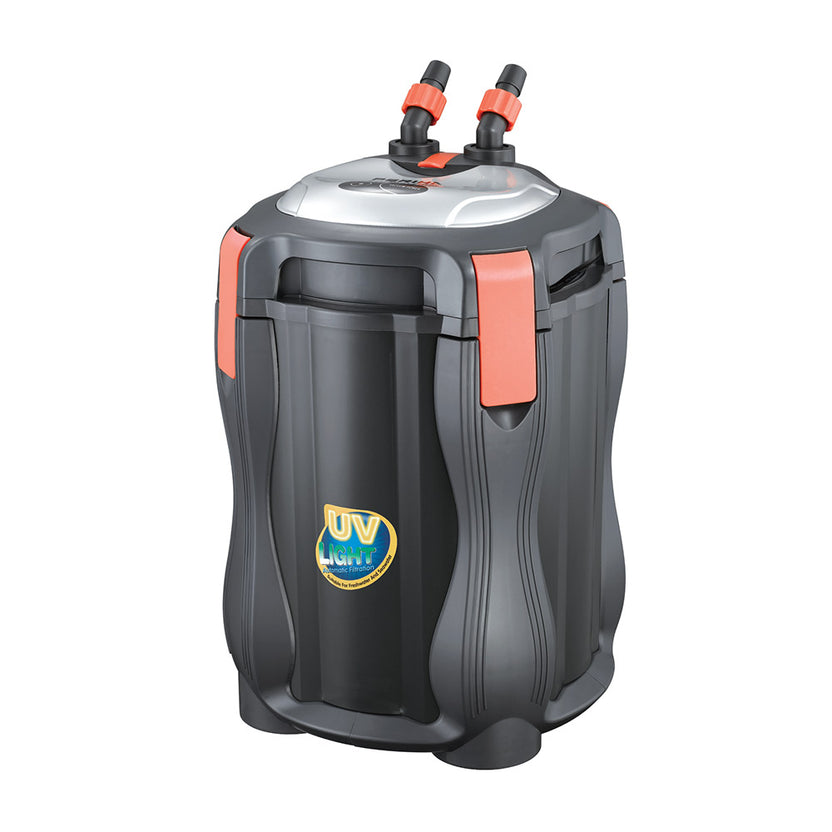
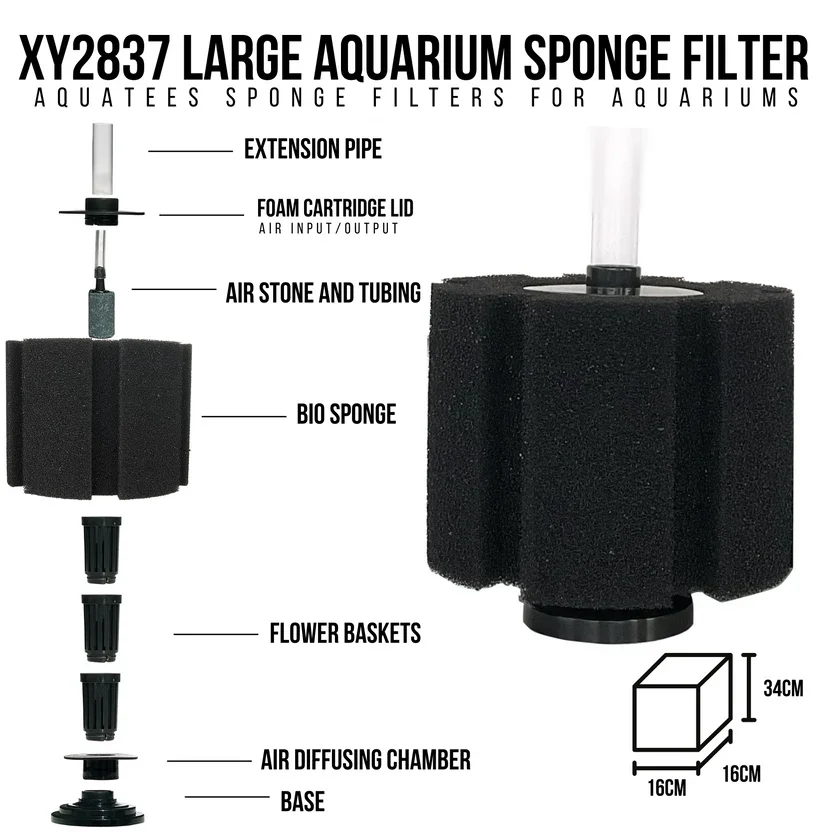
For larger setups, Periha EC external UV canister filters provide incredible water clarity. If you are starting smaller, Aquatees jumbo bio sponge filters are excellent for providing gentle flow and massive surface area for bacteria.
Aquarium Heaters and Temperature Stability
Most tropical fish require a stable temperature between 24°C and 26°C. A general rule is to use 3-5 watts of heater power per gallon of water. Thermal stress is a leading cause of fish disease, so investing in a reliable submersible heater with a built-in thermostat is non-negotiable. Always use a separate thermometer to double-check the water temperature daily.
Lighting, Substrate, and Decorations
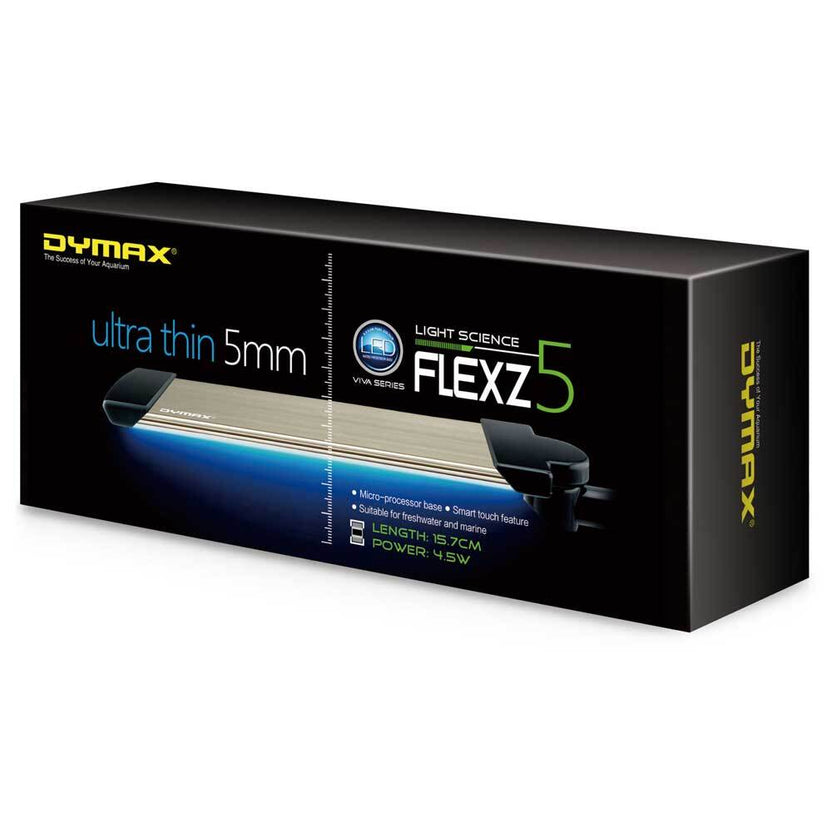
Lighting isn't just for seeing your fish; it dictates the growth of plants and algae. Dymax LED lighting is a popular choice because it is energy-efficient and brings out the vibrant colours of your livestock.
When it comes to substrate, aquarium sand and soil are better for live plants, while gravel is easier for beginners to vacuum. Add Aquatees sponges or natural driftwood to create hiding spots, which help reduce fish stress by up to 40%.
Best Practices for Starting a Freshwater Aquarium and Maintaining Quality
Tap water contains chlorine and chloramines that are toxic to fish. Every time you add water, you must use Seachem Prime to neutralise these chemicals. To speed up the "cycling" process, we recommend adding FritzZyme 7 freshwater nitrifying bacteria. This adds live bacteria directly to your filter, helping you establish a safe environment in days rather than months.
Understanding the Nitrogen Cycle and Water Quality
Understanding the nitrogen cycle is the difference between a thriving hobby and a frustrating one. It is the "invisible waste breakdown system" of your tank.
What Is the Nitrogen Cycle?
Fish produce waste (ammonia), which is highly toxic. In a healthy tank, beneficial bacteria called Nitrosomonas eat the ammonia and turn it into nitrite (also toxic).
Then, another group of bacteria called Nitrospira turns that nitrite into nitrate, which is much safer and is removed during your weekly water changes.
Why New Fish Tanks Need Cycling
In a brand-new tank, these bacteria don't exist yet. If you add too many fish at once, the ammonia levels will skyrocket, leading to fish death. This is why we use Seachem Stability to help seed these bacterial colonies. A natural cycle can take 1-3 months, but with Fritz Aquatics products, we can often safely introduce fish much sooner.
Understanding Ammonia, Nitrite, and Nitrate
Your goal is always:
- Ammonia: 0 ppm
- Nitrite: 0 ppm
- Nitrate: Below 20 ppm
To keep these levels in check, use high-capacity filter media like Seachem Matrix in your filter. If your water looks yellow or smells, Seachem Purigen is a professional-grade resin that polishes water to "crystal clear" status.
Signs of Poor Water Quality
If you notice cloudy water, it is often a "bacterial bloom" indicating the cycle is still balancing. If fish are gasping at the surface, it usually means ammonia levels are high or oxygen is low. In these cases, using Aquatees Bio-Top natural supplements can help support fish health while you resolve the underlying water issue.
Best Freshwater Fish for Beginners
Once your tank is cycled and the water is stable, it is finally time for the best part: adding fish!
Easy Freshwater Fish Species for First-Time Owners
For those starting a freshwater aquarium, we recommend starting with hardy species that can handle minor fluctuations in water quality:
- Guppies and Platies: Colourful, active, and very easy to care for.
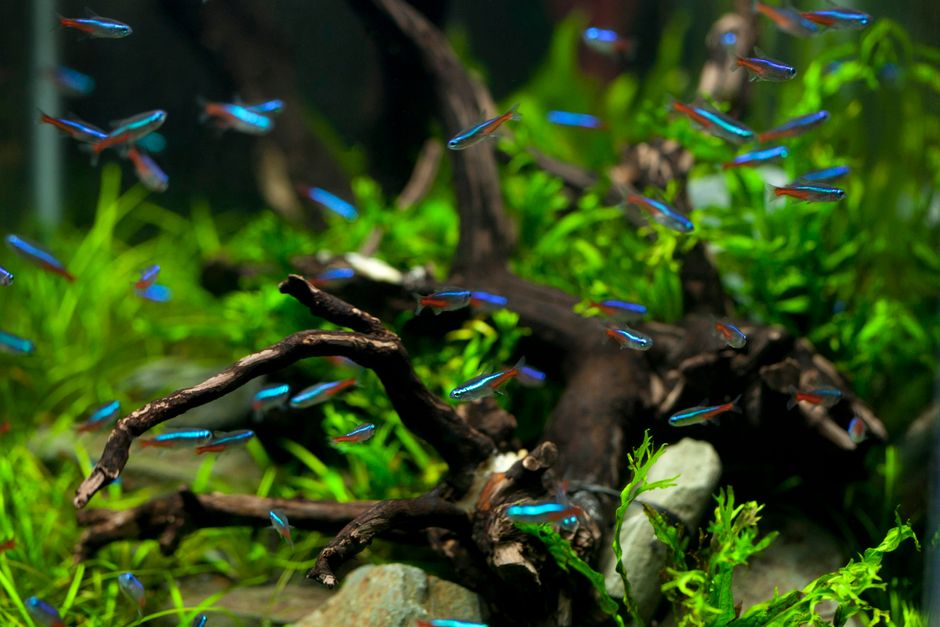
- Neon Tetras: Stunning blue and red fish that love to swim in schools.
- Corydoras: Small "armoured" catfish that help clean the bottom of the tank.
- Bettas: Great for smaller tanks, but they must live alone.
Peaceful Community Fish Options
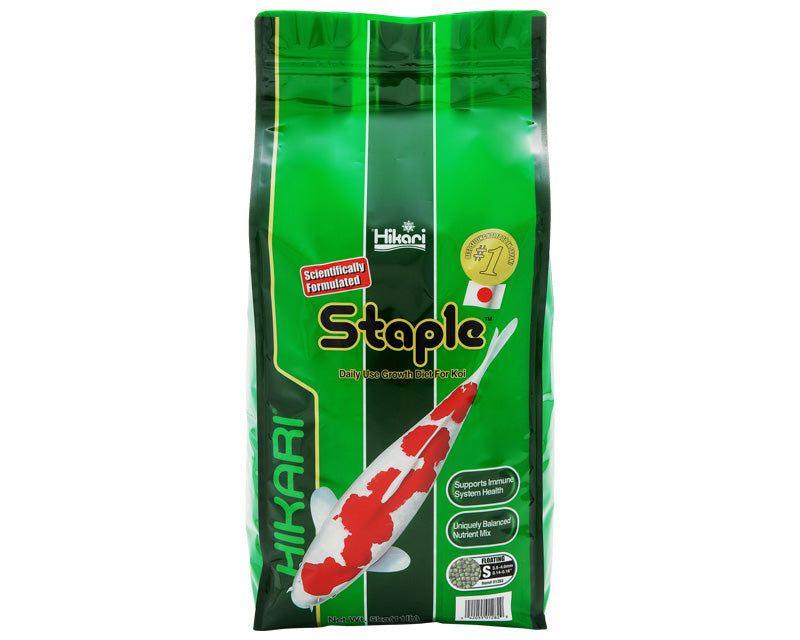
A community tank works best when you choose fish that live in different areas of the water. For example, Corydoras stay at the bottom, Tetras stay in the middle, and Guppies often stay near the top. This prevents overcrowding in one area and reduces aggression. To keep them healthy, feed a high-quality diet like Hikari fish food.
Fish Beginners Should Avoid
Many beginners are drawn to Goldfish, but they are actually quite difficult for first-timers. They grow very large and produce a massive amount of waste, requiring at least 75-100 litres for just one fish. Avoid aggressive Cichlids or "tank busters" like Oscars until you have more experience.
Avoiding Overstocking Problems
The old "one inch of fish per gallon" rule is often misleading. Instead, focus on the "bioload" — how much waste your fish produce. Start with just 2 or 3 fish and wait two weeks before adding more. This gives your beneficial bacteria time to catch up to the new waste levels.
Freshwater Fish Tank Maintenance Made Simple
Maintenance doesn't have to be a chore if you stay consistent. Think of it as a quick weekly "refresh" rather than a massive monthly scrub.
How Often Should You Clean a Fish Tank?
We recommend a weekly routine. This usually takes about 20-30 minutes for a standard 75-litre tank. Keeping a simple log of your water parameters (pH, Ammonia, Nitrite) can help you spot trends before they become problems.
Water Changes and Gravel Cleaning
The most important task is the partial water change. Every week, remove about 20-30% of the water and replace it with fresh, treated water. Use a gravel vacuum to suck out fish waste trapped in the substrate. This prevents the buildup of nitrates and keeps the environment fresh. Always ensure the new water is roughly the same temperature as the tank water to avoid shocking your fish.
Filter Maintenance Tips
Never wash your filter media in tap water! The chlorine will kill the beneficial bacteria you worked so hard to grow. Instead, gently rinse your Aquatees jumbo bio sponge filters in a bucket of old tank water during your water change. This removes the "muck" while keeping the bacteria alive.
Common Signs Something Is Wrong
Keep an eye out for:
- Clamped fins: The fish holds its fins close to its body (a sign of stress).
- Erratic swimming: Darting or rubbing against rocks (could indicate parasites).
- Appetite loss: Healthy fish are almost always hungry!
Frequently Asked Questions (FAQ)
What is the best freshwater fish tank for beginners?
A 20-gallon long or 75-litre rectangular tank is widely considered the best starting point because the larger water volume provides more stability and is more forgiving of minor beginner mistakes.
How long should I cycle a fish tank before adding fish?
You should typically cycle a tank for 4 to 6 weeks naturally, or significantly faster using high-quality bacterial starters, ensuring that ammonia and nitrite levels are at zero before introducing your first fish.
Can I use tap water in my aquarium?
Yes, you can use tap water provided you treat it with a high-quality water conditioner like Seachem Prime to instantly neutralise toxic chlorine, chloramines, and heavy metals that are harmful to fish.
Why is my fish tank water cloudy?
Cloudy water in a new tank is usually a "bacterial bloom," which is a normal part of the nitrogen cycle as beneficial bacteria establish themselves. It typically clears on its own within a few days, provided you aren't overfeeding.
Do I need a filter for a beginner fish tank?
Yes, a filter is the most essential piece of equipment. It provides the surface area for beneficial bacteria to live, which keeps the water safe by breaking down toxic fish waste.
Building a Healthy Freshwater Aquarium from Day One
Starting a freshwater aquarium is a journey that brings a piece of nature into your home. While it requires patience during the initial setup and cycling phases, the result is a peaceful, vibrant ecosystem that can last for years. By choosing the right tank size, investing in quality equipment like Fritz Aquatics, and staying consistent with your maintenance, you are setting yourself up for success.
At Aquatees Fishland, we are proud to be Australia’s trusted aquarium warehouse, supporting hobbyists across Melbourne and beyond with expert advice and premium supplies. Whether you are looking for your first luxury tank set or need the best water conditioners to keep your fish healthy, we are here to help.
Explore our range: