

Aquarium beneficial bacteria are a topic I discuss often with customers. I'm Nemo Sulaiman, and I work as part of the eCommerce and warehouse team at Aquatees Fishland, an Australian aquarium retailer. My two years of customer setup experience have shown me how often cycling problems start with small maintenance habits. One common example is a new keeper rinsing filter media under tap water, then seeing ammonia rise again a few days later. Situations like that are why I focus on practical, home-aquarium steps that protect aquarium beneficial bacteria from the start.
Why Aquarium Beneficial Bacteria Are the Foundation of a Healthy Tank

Aquarium beneficial bacteria are the invisible engine that keeps your fish alive. Without them, ammonia from fish waste can build up quickly and stress fish within days. These microscopic organisms convert ammonia into less harmful compounds, making biological filtration possible in a home aquarium.
Here is a quick overview of what beneficial bacteria do and why they matter:
- Convert toxic ammonia from fish waste and uneaten food into nitrite, then into relatively harmless nitrate
- Live in your filter media and substrate, not mainly in the water column
- Take 4 to 6 weeks to fully establish from scratch in a new tank
- Can be introduced faster using bottled bacteria products or seeded filter media from an established tank
- Are sensitive to chlorine, some medications, low pH, and loss of oxygen
Results can vary depending on your aquarium size, livestock, water parameters, filtration type, substrate, maintenance routine, and the specific products you use.
Biological Science and Management of Aquarium Beneficial Bacteria
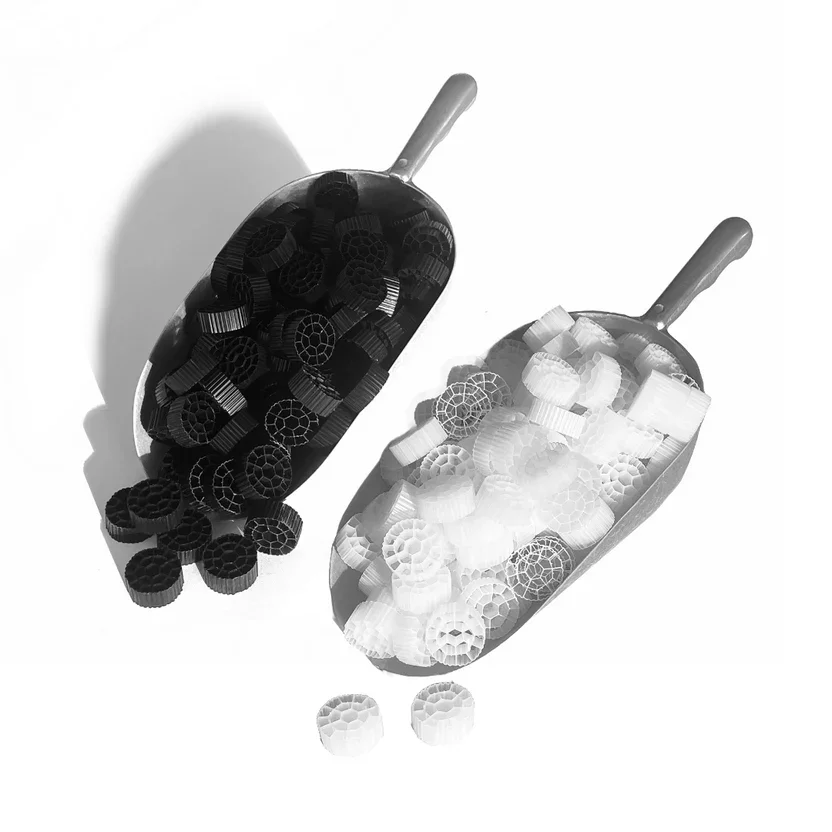
Beneficial bacteria work best when the aquarium gives them stable surfaces, oxygen, and suitable water chemistry. Nitrifying microorganisms form sticky biofilms on filter sponges, ceramic rings, and substrate particles. These biofilms help colonies stay attached instead of being washed away by water flow.
These organisms require continuous oxygen, adequate carbonate hardness, and stable temperatures to thrive. Alkalinity above 4.5 dKH often supports steadier nitrification, while many tropical tanks sit around 25°C to 30°C. Think of the biofilm as a living treatment layer where colonies process waste each day.
Water parameters directly affect bacterial activity. A pH below 6.5 can slow nitrification, while pH 6.0 may significantly inhibit microbial function. At around pH 5.5, traditional nitrification can stall because ammonia chemistry and microbial activity both shift.
Unlike common heterotrophic bacteria that can multiply very quickly, nitrifying organisms are slow-growing. Under good conditions, their population may only double every 8 to 24 hours. This is why a strong biofilter takes patience, even when the water looks clear.
Microbial Species Acting as Aquarium Beneficial Bacteria
For decades, aquarists assumed that Nitrosomonas and Nitrobacter were the main bacterial species driving the aquarium nitrogen cycle. Modern genomic sequencing has revealed a more complex microbial community inside home aquariums. That helps explain why mature filters can behave differently from new filters, even when both look clean.
Research indicates that Ammonia-Oxidising Archaea (AOA) belonging to the phylum Thaumarchaeota often outnumber traditional Ammonia-Oxidising Bacteria (AOB) in mature systems. In scientific sampling, Thaumarchaeota dominance was demonstrated across 23 out of 27 freshwater biofilters. Archaea adapt particularly well to low-ammonia environments, which are common in well-maintained home aquariums.
Studies on Comammox Nitrospira in biofilters suggest that some single organisms can perform complete ammonia oxidation to nitrate. Comammox Nitrospira were detected in all tested freshwater aquarium biofilter samples in that study. They were also reported as the dominant ammonia oxidiser in nearly 79 percent of those environments.
Heterotrophic bacteria still play a supporting role. They break down solid fish waste, uneaten food, and decaying plant matter into simpler organic compounds. This organic decomposition releases inorganic ammonia, which is then processed by autotrophic nitrifiers and archaea.
How to Cycle a Tank and Maintain Aquarium Beneficial Bacteria

Cycling a new aquarium means building enough microbial capacity to process your future livestock's waste. Fishless cycling is often the safer option because it avoids exposing live fish to harmful ammonia or nitrite. It also lets you confirm the filter is ready before adding fish.
To conduct a fishless cycle, add an artificial ammonia source, such as ammonium chloride, to reach about 2 ppm. A live bacterial supplement such as FritzZyme 7 Nitrifying Bacteria can help establish beneficial bacteria and may speed up the cycling process when used as directed. For a step-by-step setup, review our guide on how to cycle aquarium systems safely.
Using an established biological filter sponge from a mature tank can seed a new filter quickly. It transfers living biofilms directly into the new environment. During maintenance, squeeze sponges gently in salvaged tank water rather than under tap water, as chlorine can damage bacterial colonies.
A practical case I often see is a tank that appears cycled, then shows ammonia after the filter is deep-cleaned too aggressively. The fix is usually simple: preserve some established media, avoid replacing all filter components at once, and confirm readings with a liquid test kit. Choosing suitable fish aquarium filters also gives bacteria enough surface area for long-term stability.
| Product Type | Storage Requirements | Activation Speed | Typical Cycling Time | Key Advantage |
|---|---|---|---|---|
| Live Refrigerated Starter | Keep chilled (2°C - 7°C) | Immediate active cells | 1 to 2 weeks | Rapid establishment without dormant lag |
| Shelf-Stable Bacterial Spores | Room temperature | Hours, after hydration | 2 to 3 weeks | Extended shelf life and easy storage |
| Unassisted Natural Cycle | Standard tank room temperature | Slow natural colonisation | 4 to 6 weeks | Zero cost, but takes substantial time |
Results may vary depending on aquarium size, livestock, water parameters, filtration, substrate, maintenance routine, and manufacturer recommendations.
_compressed.webp?alt=media&token=43b00012-05b6-4a13-b22d-555083925168 "user-inserted")
Frequently Asked Questions About Aquarium Beneficial Bacteria
How long does it take to cycle an aquarium with bottled bacteria?
Cycling an aquarium with bottled bacteria typically takes 1 to 3 weeks, compared to 4 to 6 weeks without additives. A live bacterial supplement such as FritzZyme 7 Nitrifying Bacteria can help reduce cycling time by adding nitrifying bacteria to the system.
Warm water, strong aeration, and a pH above 7.0 can help shorten the timeframe. Even then, testing matters more than the calendar. Wait until ammonia and nitrite return to 0 ppm before treating the cycle as complete.
How do I know if my aquarium has enough beneficial bacteria?
You can confirm you have enough beneficial bacteria when a liquid ammonia test consistently reads 0 ppm ammonia and 0 ppm nitrite, with nitrate gradually accumulating. Seachem MultiTest Ammonia is a preferred ammonia test kit for monitoring ammonia during cycling and routine maintenance.
Another strong sign is that 1 to 2 ppm of added ammonia drops to zero within 24 hours. This shows the biological filter can process waste efficiently. Pair ammonia testing with a nitrite and nitrate check before adding more livestock.
Signs of an uncycled or crashed tank include persistent cloudy water, foul odours, and fish gasping near the surface. These symptoms may point to high ammonia, nitrite, or low oxygen. If parameters are elevated, review how to fix high ammonia before adding more livestock.
Can you overdose aquarium beneficial bacteria or cause tank harm?
You generally cannot overdose beneficial bacteria in a way that directly poisons aquatic life. Nitrifying microbes used for aquarium cycling are not intended to act like chemical medications. Adding extra bottled bacteria mainly adds more organisms to the system.
However, dosing very large quantities can contribute to temporary cloudy water. In some cases, a bacterial bloom may reduce dissolved oxygen while the population stabilises. Strong surface movement or air aeration helps keep oxygen available during this period.
Do water changes, filter cleaning, or medications kill beneficial bacteria?
Routine water changes do not usually harm beneficial bacteria because most colonies live on surfaces, especially filter media and substrate. The bigger risks are chlorinated tap water, heavy filter scrubbing, and antibacterial medications. These can damage biofilms and reduce biological filtration capacity.
When cleaning a filter, keep some established media wet and avoid replacing everything at once. If medication is needed, a dedicated hospital tank can help protect the display tank's cycle. It is recommended to store opened liquid bacterial supplements according to the label so the culture remains viable.
Building a Thriving Biological System with Aquarium Beneficial Bacteria
Maintaining healthy aquarium beneficial bacteria is critical for long-term aquarium stability. These colonies convert ammonia to nitrite and nitrate, helping protect fish from dangerous parameter spikes. With suitable filter media, careful maintenance, and reliable testing, you can keep the biological cycle steady.
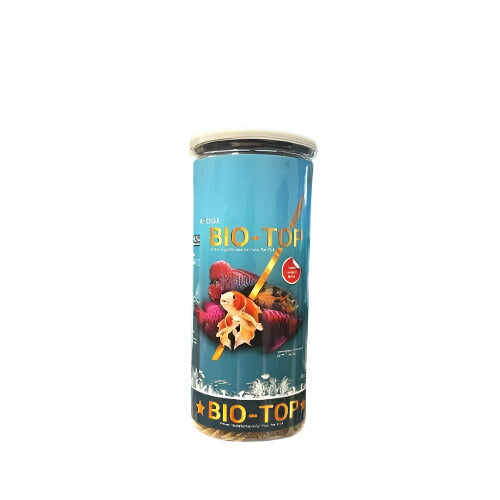
The main takeaway is to protect the surfaces where bacteria live. Avoid harsh filter cleaning, keep water oxygenated, and make changes gradually when adding livestock or replacing media. Once the aquarium has successfully cycled, Aquatees Bio Top can complement a stable biological filter by supporting healthy, resilient fish rather than establishing beneficial bacteria itself.
Explore these helpful resources to support aquarium biological filtration and ongoing fish health:
- Start a fishless cycle with a live bacterial supplement such as FritzZyme 7.
- Monitor ammonia during cycling and maintenance with Seachem MultiTest Ammonia.
- Support fish after cycling with Aquatees Bio Top.