

Why Choosing the Right Fish Tank Matters Before You Buy
Buying a fish tank requires careful planning to ensure your aquatic environment thrives. Selecting the correct setup from the beginning prevents common issues and saves significant effort later.
The choice between glass and acrylic, or nano and large setups, depends on your space and goals. Understanding these options helps you make an informed decision for your home.
Here is a quick breakdown of the most common tank options to help you land on the right choice:
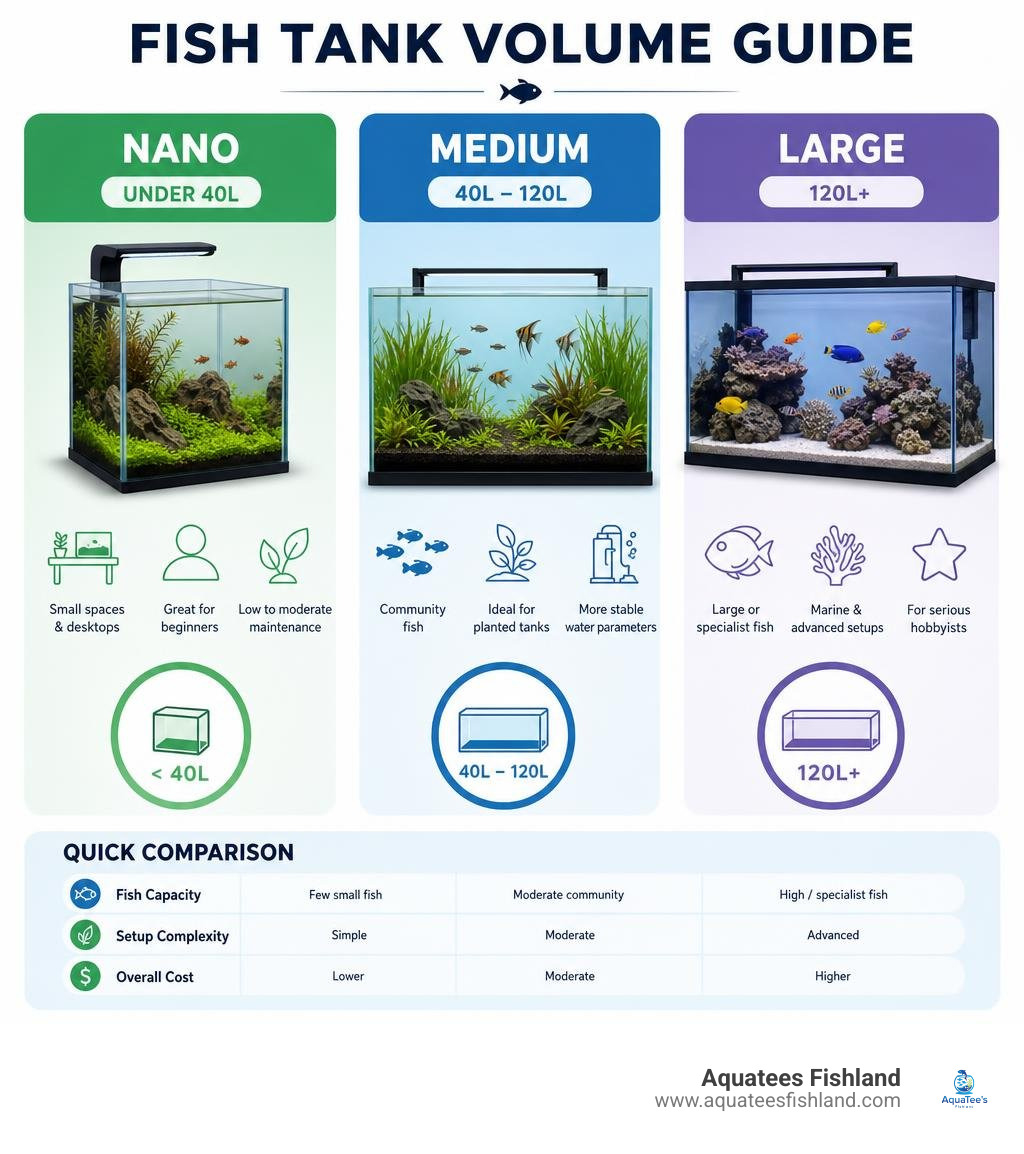
| Tank Type | Best For | Typical Volume |
|---|---|---|
| Nano tank | Beginners, small spaces, desktop setups | Under 40L |
| Medium tank | Community fish, planted aquariums | 40L to 120L |
| Large tank | Cichlids, marine setups, serious hobbyists | 120L and above |
| All-in-one kit | First-time buyers wanting a complete setup | Varies |
| Custom build | Experienced aquarists with specific needs | Any size |
Aquariums offer documented benefits for well-being, including reducing stress and lowering blood pressure. Watching a beautifully aquascaped home aquarium provides a calming escape from daily routines.
Over ten million households globally enjoy keeping fish, making it a highly popular and rewarding hobby. Success relies heavily on the decisions you make before adding water to your system.
I am Naim Ibn Nahshid, and through my work at Aquatees Fishland, I have helped many hobbyists select their ideal setups. This guide covers everything you need to know to start your journey successfully.
Key Considerations When You Buy Fish Tank Setups
When preparing to buy a fish tank, you must evaluate the structural materials and the strength of your supporting furniture. Glass and acrylic are the two primary options available for modern home aquariums.
Glass is highly scratch-resistant and maintains its clarity over many decades of use. It provides excellent structural rigidity, making it the traditional choice for most home setups.
Acrylic is lighter and more impact-resistant than glass, but it scratches much more easily. It requires specialised cleaning tools to prevent permanent scuffs from ruining your view.
Weight limits are a critical factor that many beginners overlook during their initial planning. Water weighs exactly one kilogram per litre, which quickly adds up in larger volumes.
A 100-litre tank will easily weigh over 120 kilograms once you add substrate, rocks, and the glass itself. Standard household furniture is rarely designed to support this level of concentrated weight.
Using a dedicated aquarium cabinet is highly recommended to distribute this heavy load evenly. These stands are specifically engineered to resist warping from inevitable water splashes.
Ensuring your floor is completely level is equally important for long-term structural safety. Uneven pressure can stress the silicone joins of a glass tank, potentially leading to leaks.
For a deeper dive into choosing dimensions and calculating water volume, check out our comprehensive Guide to Fish Tank Size.
Choosing the Right Size Before You Buy Fish Tank Models
Selecting the right aquarium size depends on balancing your physical space with the biological needs of your livestock. While small nano aquariums under 40 litres are convenient, they require more precise maintenance.
Think of water volume like the air in a room. A tiny room gets stuffy and warm very quickly, whereas a large hall stays fresh and stable for much longer.
In a small body of water, chemical imbalances and temperature swings happen rapidly. This leaves very little room for beginner errors during the initial setup phase.
A larger volume of water provides a biological buffer, diluting waste and keeping water chemistry stable. This stability makes it much easier to maintain a healthy environment over time.
A tank with a wider surface area also facilitates better gas exchange at the water surface. This allows oxygen to dissolve into the water while carbon dioxide escapes efficiently.
When stocking your tank, you must consider the adult size of your fish rather than their size at purchase. This prevents overcrowding and reduces stress on your aquatic animals.
For general animal welfare reminders on matching fish with suitable housing, RSPCA Australia provides guidance on keeping and caring for goldfish.
If you are starting out and want to set yourself up for success, our guide on the Best Fish Tanks for Beginners offers practical starting points.
Freshwater versus Saltwater Aquarium Systems
The main difference between freshwater and saltwater systems lies in filtration complexity and parameter stability. Freshwater setups are generally more forgiving, less expensive, and highly recommended for beginners.
Saltwater systems, especially reef tanks with live corals, require precise salinity levels and specialised lighting. They also demand robust filtration systems to keep the delicate marine life thriving.
In Australia, our unique climate conditions make marine filtration work much harder. Hot summer days lead to rapid water evaporation, which causes dramatic salinity swings.
Because only pure water evaporates, the salt is left behind, rapidly increasing the salinity. To combat this, marine hobbyists rely on reliable top-off systems and robust filtration.
Whether you choose freshwater or marine, starting with a clear plan is essential. For those leaning toward a classic setup, learning about starting a freshwater aquarium is the best first step.
Essential Filtration and Water Quality Equipment
Aquarium filtration relies on mechanical, biological, and chemical stages to keep water clear and safe. Think of your filter as a miniature waste treatment plant operating continuously.
Mechanical filtration physically traps floating debris, while biological filtration houses beneficial bacteria. These bacteria process toxic fish waste, driving the essential nitrogen cycle.
Chemical filtration removes dissolved impurities and unpleasant odours from the water column. Together, these stages convert toxic ammonia into nitrite, and finally into less harmful nitrate.
To keep this biological engine running, you need reliable filter media and water treatments. For robust filtration in larger setups, the Periha EC Canister provides excellent water turnover.
For smaller or breeding setups, an Aquatees Jumbo Sponge offers gentle water flow and massive surface area. You can learn more in our Freshwater Tank Filter Guide 2026.
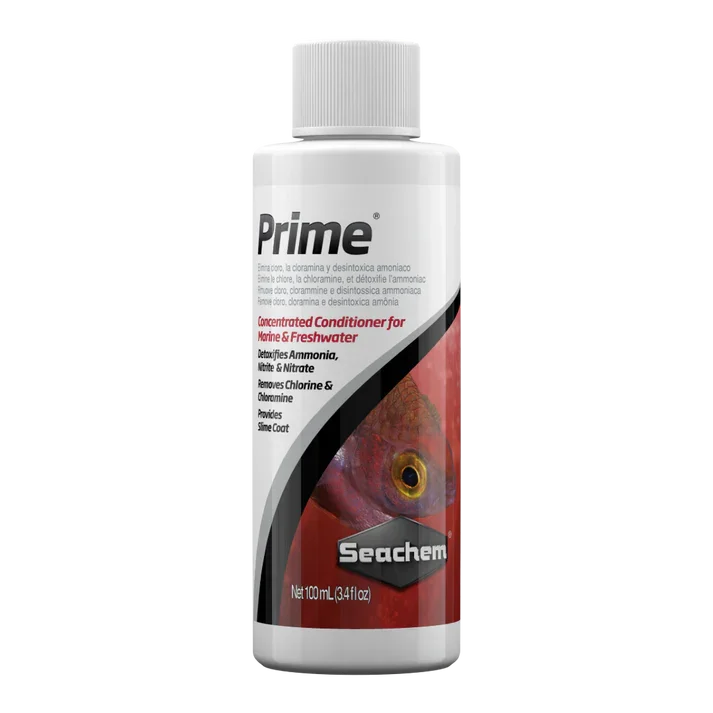
Tap water contains chlorine and chloramines that will quickly kill your beneficial bacteria. Treating your water with Seachem Prime neutralises these toxins instantly.
To establish your biological filter rapidly, dosing with FritzZyme 7 for freshwater introduces live nitrifying bacteria. For marine systems, FritzZyme 9 serves the same purpose.
For ongoing chemical filtration, using Seachem Purigen in your filter removes organic waste efficiently. Meanwhile, Seachem Matrix provides a highly porous home for your bio-filter to grow.
Lighting and Heating Essentials for Aquatic Life
Aquarium lighting and heating are critical for mimicking natural tropical environments. They support photosynthesis in live plants and maintain stable metabolic rates in your fish.
Most tropical fish require a stable water temperature between 24 and 26 degrees Celsius. This requires a reliable submersible heater to prevent dangerous temperature fluctuations.
Temperature swings stress fish, lowering their immune systems and making them susceptible to illnesses. Keeping the temperature stable is one of the easiest ways to prevent disease.
Modern LED technology has largely replaced older T5 fluorescent tubes due to energy efficiency. LEDs offer low heat output and customisable colour spectrums for your tank.
For basic setups, the Aquatees Aquarium LED Lights HL-30B Series highlights fish colours beautifully. It provides a clean light spectrum suitable for everyday viewing.
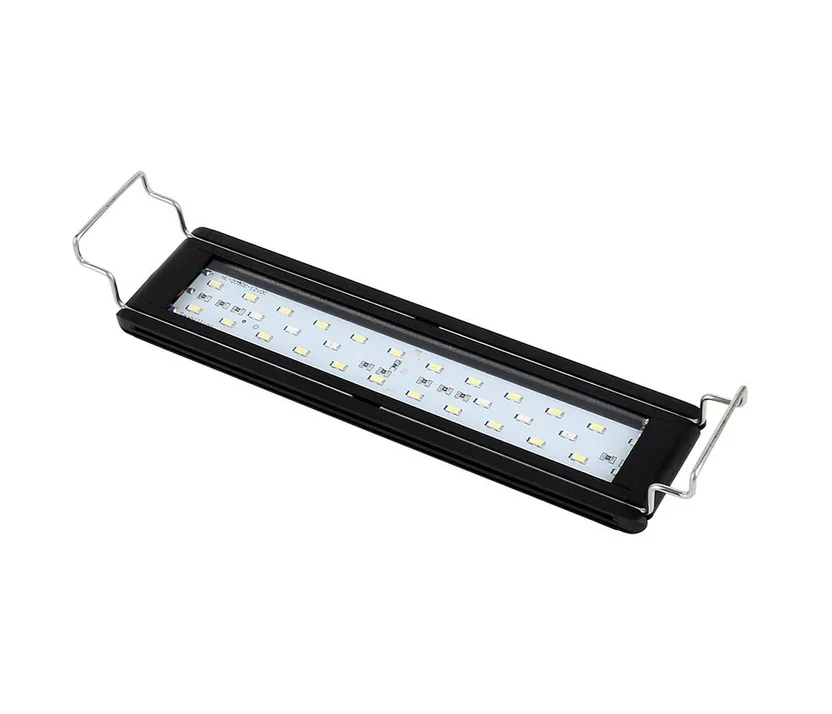
If you are running a marine or planted system, mounting your lights securely is vital. The Dymax RX Lamp Bracket Professional ensures optimal coverage across your aquarium.
For those still utilising T5 fixtures, bulbs like the Aqua Medic Aqualine T5 Reef White provide the intense light needed for coral photosynthesis.
Where to Buy Fish Tank Equipment and Accessories
When looking to buy fish tank gear, choosing a specialised supplier ensures compatible components. Specialised stores offer a broader range of equipment that makes long-term maintenance much easier.
Whether you want modern rimless aquariums or custom setups, sourcing from trusted platforms protects your investment. This ensures you receive reliable advice tailored to your specific setup.
If you are browsing options online, you can find excellent starter kits and stand-alone tanks. Equipping your tank with trusted brands is key to long-term success.
Exploring the range of Dymax Lights and Seachem water care products at Aquatees Fishland helps you build a reliable system.
Common Beginner Mistakes and How to Avoid Them
The most common beginner mistakes include introducing fish to an uncycled tank and overfeeding. Many new hobbyists buy a tank, fill it, and add fish the same day.
Without an established colony of beneficial bacteria, fish waste quickly builds up, causing lethal ammonia spikes. Always cycle your tank using a starter bacteria culture before adding livestock.
Overfeeding is another major issue that leads to cloudy water and poor health. Fish only need a small amount of food once or twice a day.
Any uneaten food will quickly rot, destroying your water quality and stressing your system. Managing your feeding habits directly impacts the filtration load of your aquarium.
If a fish outgrows its environment, prioritise internal rehoming by relocating it to a larger or improved tank setup within your home. This is always the safest primary option.
If adding another tank is not possible, you can gently explore external alternatives. These include donating to trusted local communities or contacting your retailer for advice.
To avoid other common pitfalls, read our guide on Beginner Aquarium Mistakes.
FAQ
What are the main types of fish tanks available?
The main types of fish tanks include standard glass aquariums, lightweight acrylic tanks, rimless glass tanks, and convenient all-in-one kits. Each option suits different spaces, budgets, and experience levels.
How do I cycle a new aquarium properly?
To cycle a new aquarium, you must establish beneficial nitrifying bacteria to process fish waste. Treat tap water with a conditioner, add a live bacterial starter, and introduce a small ammonia source over several weeks.
Is a freshwater or saltwater aquarium better for beginners?
A freshwater aquarium is generally much better for beginners because it is more affordable and forgiving. Freshwater systems are less sensitive to water chemistry fluctuations and require less complex equipment.
How do I fix cloudy aquarium water?
Cloudy water is typically caused by a bacterial bloom, overfeeding, or suspended debris. You can resolve this by reducing feeding, performing partial water changes, and ensuring your filter media is clean.
Conclusion: Key Takeaways Before You Buy a Fish Tank
Planning your aquarium setup carefully before making a purchase is the single best way to ensure long-term success. Selecting the right tank size, investing in robust filtration, and understanding water chemistry are essential steps.
A larger water volume acts as a reliable buffer, making maintenance simpler and keeping parameters stable. Ensuring your equipment matches your livestock's needs will create a thriving environment.
By avoiding common mistakes like overfeeding and uncycled setups, you can enjoy a beautiful, low-stress hobby. Taking the time to research and prepare ensures a rewarding experience for years to come.
To ensure your water is safe, always check with your local water authority regarding tap water additives. Following manufacturer guidelines for all equipment and materials will keep your aquatic system running smoothly.