

Why Your Freshwater Tank Filter Is the Most Important Thing in Your Aquarium
Choosing the right freshwater tank filter is the single most important decision you will make for your aquarium. Get it right, and you will enjoy clear water, healthy fish, and a tank that practically runs itself. Get it wrong, and you will fight ammonia spikes, cloudy water, and stressed fish on repeat.
A freshwater tank filter is an essential mechanical, biological, and chemical filtration system designed to purify aquarium water. It acts like a home recycling system, removing solid debris and converting toxic fish waste into harmless compounds.
| Filter Type | Best For | Tank Size |
|---|---|---|
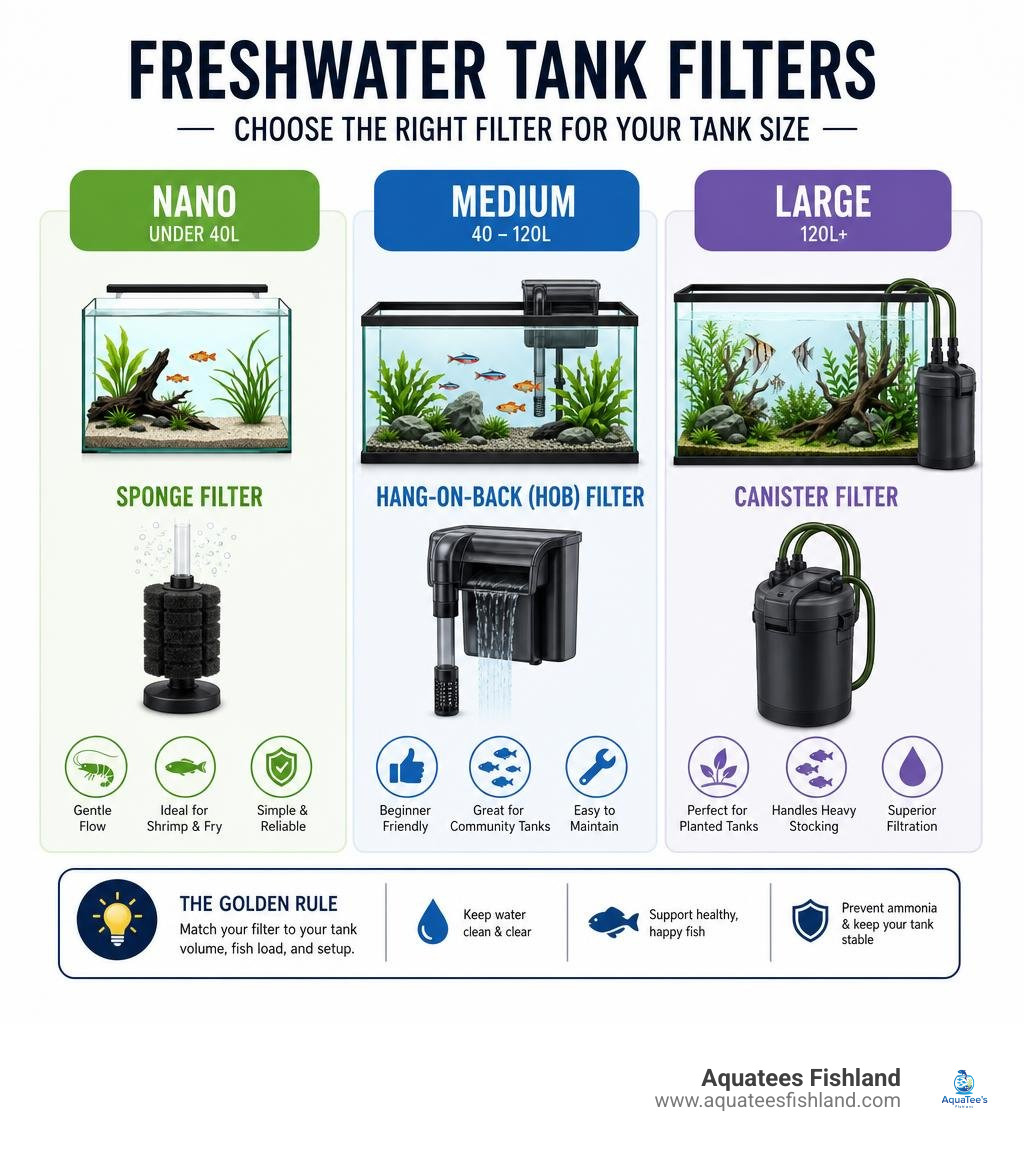
| Sponge Filter | Nano tanks, shrimp, fry | Under 40L |
| Hang-on-Back (HOB) | Beginners, community tanks | 40L - 120L |
| Canister Filter | Planted tanks, heavy stocking | 120L+ |
| Internal Filter | Small to medium tanks | 30L - 200L |
The golden rule is to always match your filter to your tank volume, fish load, and the species you are keeping. A filter that is too small cannot keep up with waste, and that is when ammonia becomes a real problem.
Fish release waste constantly. Without a quality filter working through mechanical, chemical, and biological stages, that waste breaks down into toxic ammonia fast. Even a lightly stocked tank can crash without proper filtration in place.
I am Nemo Sulaiman, and through my hands-on work at Aquatees Fishland across warehousing, product listings, and daily customer support, I have helped hundreds of hobbyists troubleshoot their setups. Let us walk through everything you need to know to pick the right filter with confidence.
How to Choose the Best Freshwater Tank Filter for Your Aquarium
To choose the best freshwater tank filter for your setup, you must balance the flow rate, media surface area, and physical filter volume against your aquarium's needs. Finding the best tank filter is not just about choosing the highest flow rate. It is about finding a system that provides enough physical space for beneficial bacteria to grow.
Think of your filter flow rate like a water pump, but the media volume is the actual size of the treatment plant. A massive flow rate with a tiny media cartridge will polish the water but fail to process biological waste. Conversely, a large canister filter with a moderate, gentle flow can support a heavily stocked community tank because of its immense media surface area.
At Aquatees Fishland, we make sure that choosing your equipment is completely stress-free. Every single product we dispatch from our Melbourne warehouse is strictly quality checked before it leaves. We use secure packaging to ensure your new filter arrives in perfect condition. You can read all about our transit guarantees in our shipping policy.

Understanding the Three Stages of a Freshwater Tank Filter
The three stages of filtration are mechanical, biological, and chemical, and each plays a unique role in keeping your aquarium ecosystem balanced and safe. To achieve crystal-clear water and a healthy environment, your filter must cycle water through these stages in a specific order.
First, mechanical filtration physically traps floating debris, uneaten food, and fish waste. This stage is like a kitchen colander, catching the big pieces of debris before they cause trouble. Using high-quality polishing pads, like Dymax White Wool Sponges, ensures that even the finest floating particles are caught, leaving your water beautifully clear.
Second, biological filtration is the absolute heart of your aquarium. This is where the nitrogen cycle takes place. Beneficial bacteria colonise the vast surface area of your bio-media, converting toxic ammonia into nitrite, and then into much safer nitrate. To give these bacteria the best possible home, we highly recommend using a premium, highly porous bio-media like Seachem Matrix.
Third, chemical filtration uses specialised media to remove dissolved organic compounds, heavy metals, odours, and unsightly discolouration from the water. While activated carbon is a traditional choice, modern polymer media like Seachem Purigen offers superior organic removal and can be regenerated, saving you money over time.
By sourcing trusted solutions from world-class brands like Seachem and Fritz, you can easily customise your filter compartments to achieve a perfect three-stage balance.
Care Tip: Never wash filter media in tap water as chlorine kills beneficial bacteria. Always rinse your sponges and bio-media in a bucket of water taken directly from your aquarium during a water change.
Comparing Canister, HOB, and Sponge Freshwater Tank Filter Types
Canister, hang-on-back (HOB), and sponge filters each offer distinct advantages depending on your tank size, budget, and maintenance preferences. Choosing between them comes down to how much control you want over your water flow and media capacity.
Canister filters are the undisputed heavyweights of aquarium filtration. An external filter pump sits underneath your tank in the cabinet, offering massive media volume and customisable flow paths. For large setups or heavily stocked tanks, a premium unit like the Periha EC Canister provides incredible filtration capacity alongside built-in ultraviolet sterilisation to keep water clear of green water algae.
Hang-on-back (HOB) filters are highly popular for beginners and medium-sized community tanks. They drape over the back glass, drawing water up an intake tube and returning it via a gentle waterfall cascade. They are incredibly easy to service but have limited media space compared to canisters.
Sponge filters are the simplest and safest option for nano tanks, shrimp breeding setups, and fry rearing. Powered by an external air pump, they draw water through a porous foam block, providing excellent mechanical and biological filtration without any risk of sucking in tiny tank inhabitants. Using a robust option like the Aquatees Jumbo Sponge gives you a massive biological surface area that is incredibly easy to clean.
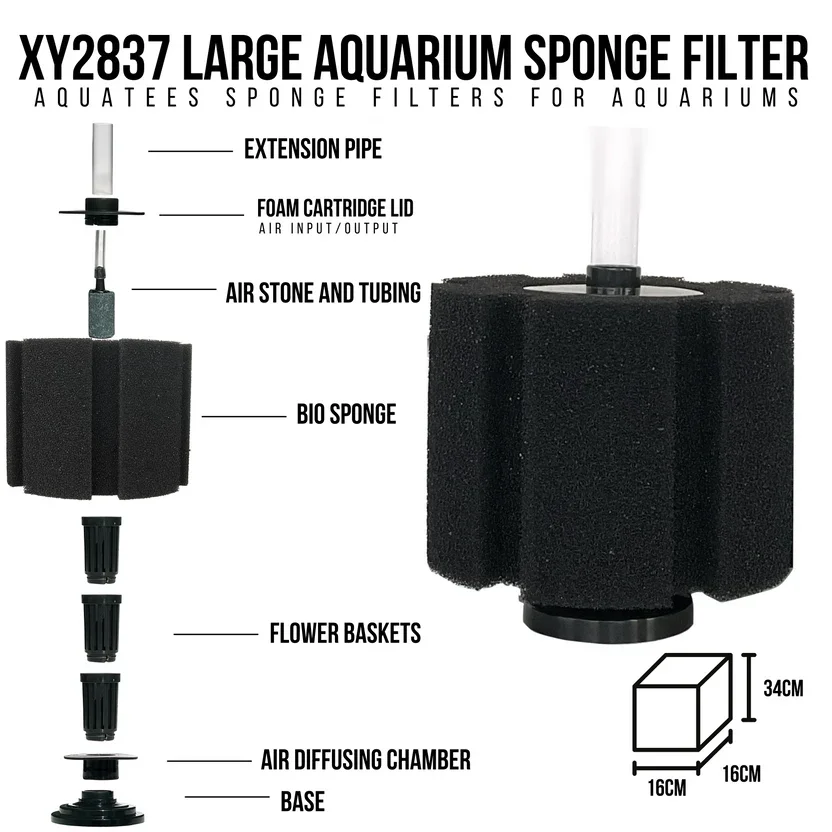
| Filter Type | Media Capacity | Flow Control | Maintenance Difficulty | Best Tank Size |
|---|---|---|---|---|
| Sponge Filter | Low (Biological only) | Low (Air-driven) | Very Easy | Nano (<40L) |
| Hang-on-Back | Moderate | Medium | Easy | Medium (40-120L) |
| Canister Filter | Very High | High (Adjustable) | Moderate | Large (120L+) |
Sizing Your Filter, Ammonia Management, and Sensitive Fish Care
Sizing your filter correctly is the most critical step to protecting sensitive fish species from toxic ammonia and nitrite spikes. When consulting our guide to fish tank size, you must factor in your planned stocking levels and the specific waste output of your chosen fish.
Delicate species such as Discus, Rams, Otos, Glass Catfish, and Pea Puffers have incredibly low tolerance for water fluctuations. Signs of stress in these fish include rapid breathing, clamped fins, hovering near the surface, or loss of colour. If you notice these symptoms, you must test your water parameters immediately using a reliable kit like the Sera Ammonia Test Kit.
%20Ammonium%20Ammonia_compressed.webp?alt=media&token=e427ae58-d188-4371-af4b-ccaf7bef9497 "user-inserted")
If you are keeping territorial species like Bettas, proper environment planning is essential. Bettas should be started in a tank of at least 10 gallons (approximately 38L) to ensure stable water chemistry. To keep them calm, pair them only with peaceful, non-nipping tankmates like freshwater shrimp and snails, and use a low-flow filter so they are not pushed around by harsh currents.
When setting up a new biological filter, or if you experience an unexpected spike, adding live nitrifying bacteria is the fastest way to establish safety. Products like FritzZyme 7 for freshwater setups, or FritzZyme 9 for marine systems, instantly introduce the active bacteria needed to consume ammonia. In emergencies, a powerful conditioner like Aquavitro Alpha will detoxify heavy metals, chlorine, and free ammonia on contact.
The Ammonia Priority Action Plan
If your test kit reveals elevated ammonia levels, execute these steps immediately:
- Step 1: Emergency Response - Perform a 30% to 50% water change using dechlorinated water, stop feeding your fish entirely for 48 hours, and increase surface agitation or add an air stone to maximise oxygenation.
- Step 2: Stabilise - Dose a high-quality water conditioner like Seachem Prime or Aquavitro Alpha to bind the toxic ammonia into a non-toxic form, and check your filter intake and impeller to ensure water is flowing properly.
- Step 3: Reduce Production - Gently siphon out any visible organic waste or uneaten food from the gravel using Dymax White Wool to trap fine waste, and resume feeding only with light, high-quality portions once levels return to zero.
Care Tip: Always size up your filter if you plan to keep a heavily stocked tank. It is far better to have too much filtration capacity than too little when biological demands peak.
Frequently Asked Questions and Expert Filtration Advice
Many of the most common beginner aquarium mistakes stem from basic misunderstandings about how aquarium filters operate. When dealing with Melbourne's tap water, it is crucial to use a comprehensive water conditioner like Seachem Prime to remove chlorine and chloramines. Always match the water temperature precisely before the water ever touches your filter to protect your beneficial bacteria.
Combining this with a bacterial supplement like Seachem Stability ensures your biological cycle remains rock-solid during routine maintenance.
How often should I clean my filter media without ruining the cycle?
You should clean your mechanical filter media every two to four weeks, but you must avoid the commercial myth that you need to discard and replace your biological media regularly. Replacing your bio-media throws away your beneficial bacteria, which will completely ruin your nitrogen cycle and lead to deadly ammonia spikes.
Instead of replacing everything, simply rinse your sponges and bio-media in a bucket of aquarium water to remove excess sludge. If you need to absorb heavy levels of waste or chemical impurities, you can add specialised media like Dymax Anti-Ammonia Rock or Aquaripacks Zeolite to your filter compartments to assist with chemical management.
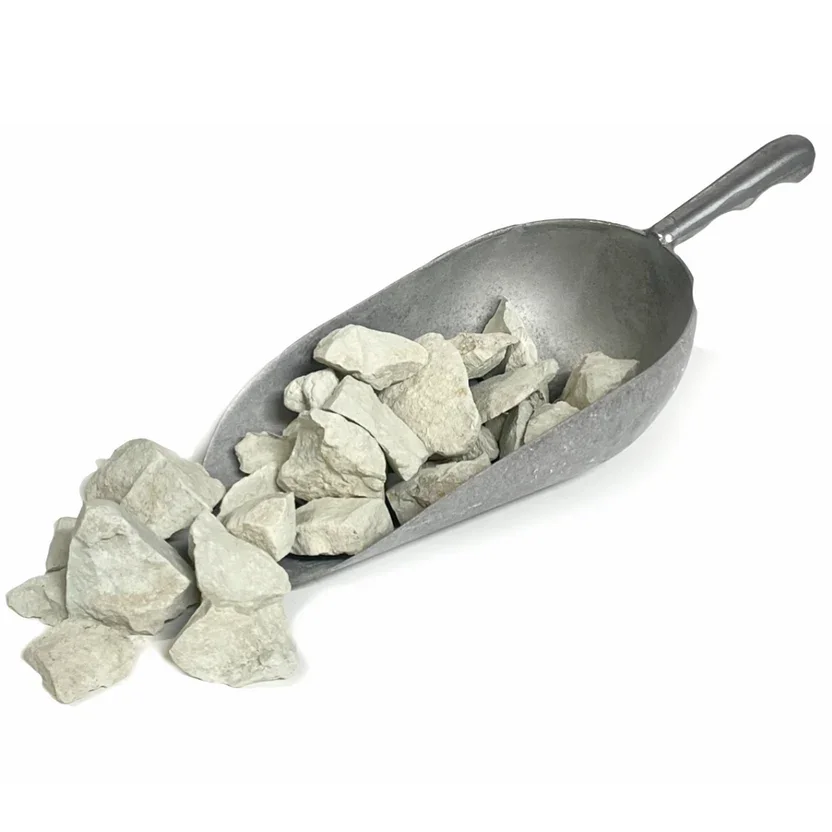
Care Tip: Only replace mechanical pads when they lose their shape and never replace all biological media at once.
Why is my aquarium water cloudy and how do I fix it?
Aquarium water usually turns cloudy due to a harmless bacterial bloom in a newly cycled tank, or because of fine microparticles suspended in the water column. If you are wondering exactly why is aquarium water cloudy, it is often a sign that your biological filter is still balancing itself or that your mechanical filtration needs a boost.
To clear up cloudy water quickly, you can use water clarifiers that clump tiny floating particles together so your filter can easily trap them. Sourcing reliable products from premium brands like Hikari, Fritz, and Seachem will help you restore perfect water clarity safely without harming your sensitive fish.
Where to Buy the Best Freshwater Tank Filter in Melbourne
You can buy the most reliable, high-performance aquarium filtration systems, replacement media, and accessories directly from Aquatees Fishland. As a premier online aquarium shop in Melbourne, we pride ourselves on offering an extensive range of premium aquarium supplies at fantastic bargain deals.
In addition to top-tier filtration systems, we stock everything you need to complete your dream tank setup, including energy-efficient Dymax Lights to bring out the natural colours of your fish and plants.
To find the absolute best tank filter for your setup, explore our curated collections today. For more expert tips on maintaining a beautiful, thriving home aquarium, check out the link to our latest blogs.