

Why Your Saltwater Tank Filter Makes or Breaks Your Marine Setup
Choosing the right saltwater tank filter is the most critical decision you will make to ensure your marine aquarium remains stable and healthy. A proper filtration system keeps your water clear, maintains stable parameters, and prevents toxic waste buildup that can harm sensitive marine life.
Quick answer: the best saltwater tank filters in 2026
| Filter Type | Best For | Tank Size |
|---|---|---|
| Hang-on-back (HOB) | Beginners, fish-only tanks | Up to 60 gallons |
| Canister filter | Versatile, larger setups | 50-250+ gallons |
| Internal/submersible | Small or nano marine tanks | 5-30 gallons |
| All-in-one (AIO) rimless | Reef tanks, clean aesthetics | Varies by model |
| Sump with protein skimmer | Advanced reef setups | 50+ gallons |
Saltwater environments are highly sensitive to environmental changes, especially under Australian conditions where summer heat causes rapid evaporation and sudden salinity swings. When water evaporates, salt is left behind, causing the salinity to rise quickly and placing immense stress on your fish and corals.
Your filter acts as the heart of the aquarium, circulating water to keep temperatures uniform and processing organic waste before it can turn into toxic ammonia. While a basic fish-only setup can run on a standard hang-on-back filter, adding corals or more fish requires a more robust filtration strategy.
I have spent years working with various saltwater tank filter options, helping hobbyists troubleshoot real marine setup challenges. Let us break down exactly how these systems work and how to choose the right setup for your home.
How to Choose the Best Saltwater Tank Filter
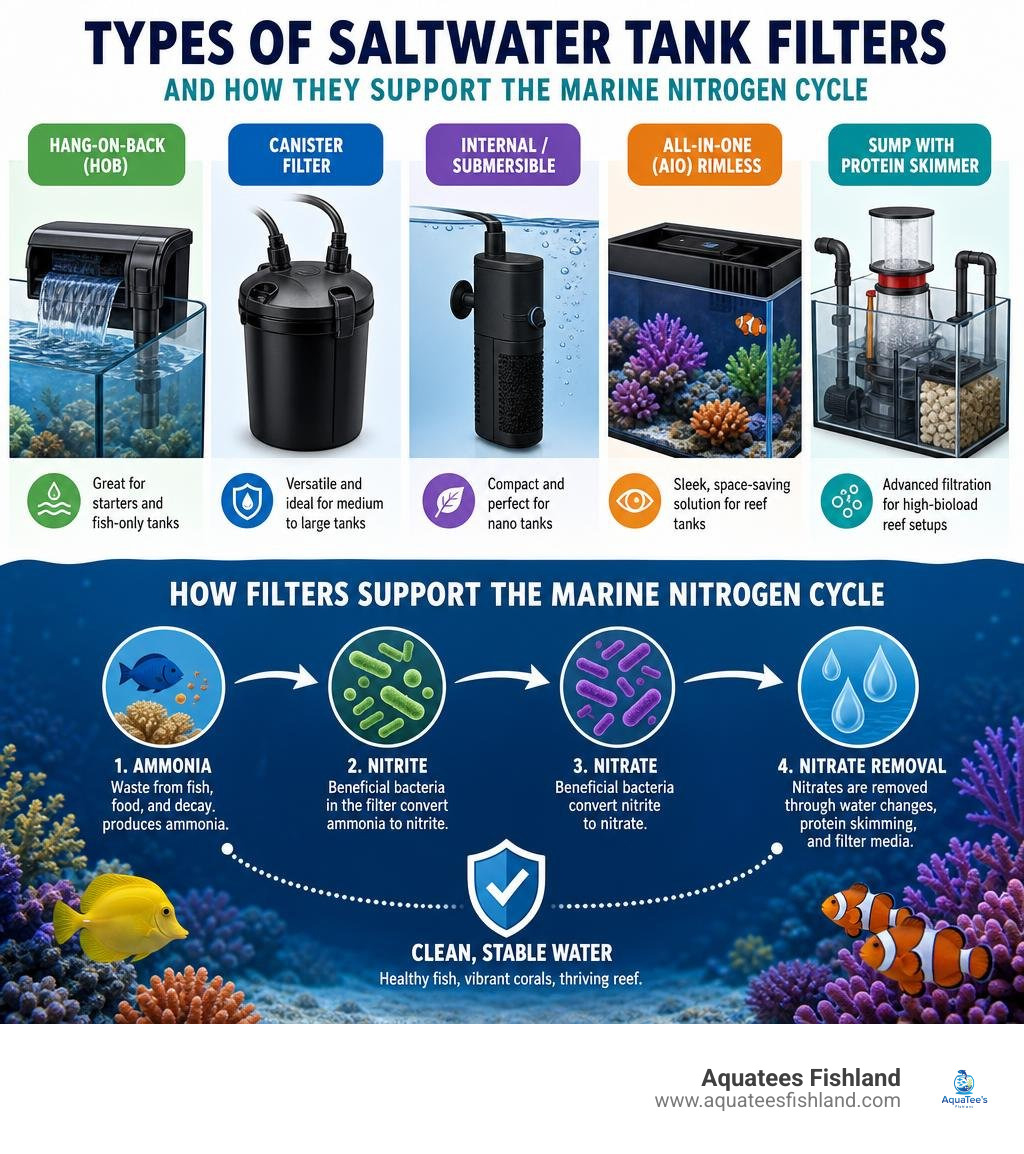
Choosing the best saltwater tank filter requires selecting a system that matches your aquarium volume and effectively processes biological waste. Marine ecosystems are highly sensitive to sudden changes in chemistry, meaning your filtration must be reliable, consistent, and easy to maintain.
To keep your water parameters stable, your filtration system needs to address three core processes:
- Mechanical Filtration: This physical stage catches free-floating debris, uneaten food, and decaying organic matter before it can break down. Media like filter socks, sponges, and white wool are typically used here.
- Biological Filtration: This is the most critical stage. It relies on beneficial nitrifying bacteria to convert highly toxic ammonia into nitrite, and then into less harmful nitrate.
- Chemical Filtration: This stage uses specialized media to pull dissolved impurities, heavy metals, odours, and yellowing pigments directly from the water column. Activated carbon and phosphate-absorbing resins are the standard choices.
For those setting up a new aquarium or upgrading an existing one, exploring a comprehensive Water Filters Collection is a great starting point to find systems that balance these three processing stages effectively.
Comparing HOB, Canister, and Internal Filters
When selecting a saltwater tank filter, you will generally choose between three main physical configurations: hang-on-back (HOB) filters, external canister filters, and internal/submersible units. Each has distinct advantages depending on your tank style, space, and aesthetic preferences.
For smaller setups, an internal tank filter is a compact, cost-effective choice. These units submerge directly inside the glass, drawing water from both the surface to clear organic films and the bottom to collect heavier detritus.
If you have a medium to large marine aquarium, external canister filters are highly popular due to their massive media capacity. You can read more about these in our best canister filters complete guide. Heavy-duty canister filters function as absolute workhorses, moving huge volumes of water while keeping the mechanical and chemical media outside your display tank.
Standard glass tanks with external canisters offer excellent customization, but many modern hobbyists prefer rimless All-In-One (AIO) aquariums. AIO tanks feature a built-in rear filtration compartment, hiding your heaters, media, and pumps behind a sleek false wall without the need for external plumbing.
| Filter Type | Pros | Cons | Best Suited For |
|---|---|---|---|
| Hang-On-Back (HOB) | Easy to clean, budget-friendly, does not take up internal tank space. | Limited media volume, visible on the back of the tank, prone to salt creep. | Small to medium fish-only or light-bioload reef tanks. |
| Canister Filter | Large media capacity, high flow rates, keeps equipment out of sight. | Can be heavy and awkward to clean, risk of nitrate accumulation if neglected. | Medium to large marine setups and heavily stocked tanks. |
| Internal Filter | Compact, energy-efficient, excellent surface skimming capabilities. | Takes up valuable swimming space, must be cleaned inside the tank. | Nano reef tanks, quarantine tanks, or supplementary filtration. |
Top Picks for Beginners and General Hobbyists
If you want a simple shortlist instead of comparing every filter style, these three options give beginners and general hobbyists clear choices for different aquarium sizes, setups, and budgets.
1. Periha EA External Canister Filters — Best Overall
Periha EA External Canister Filters are a strong all-round option for medium to large freshwater aquariums, especially community tanks, planted tanks, and larger setups that need steady circulation. They offer generous media capacity for mechanical and biological filtration, plus the flexibility to customise media depending on your aquarium's needs.
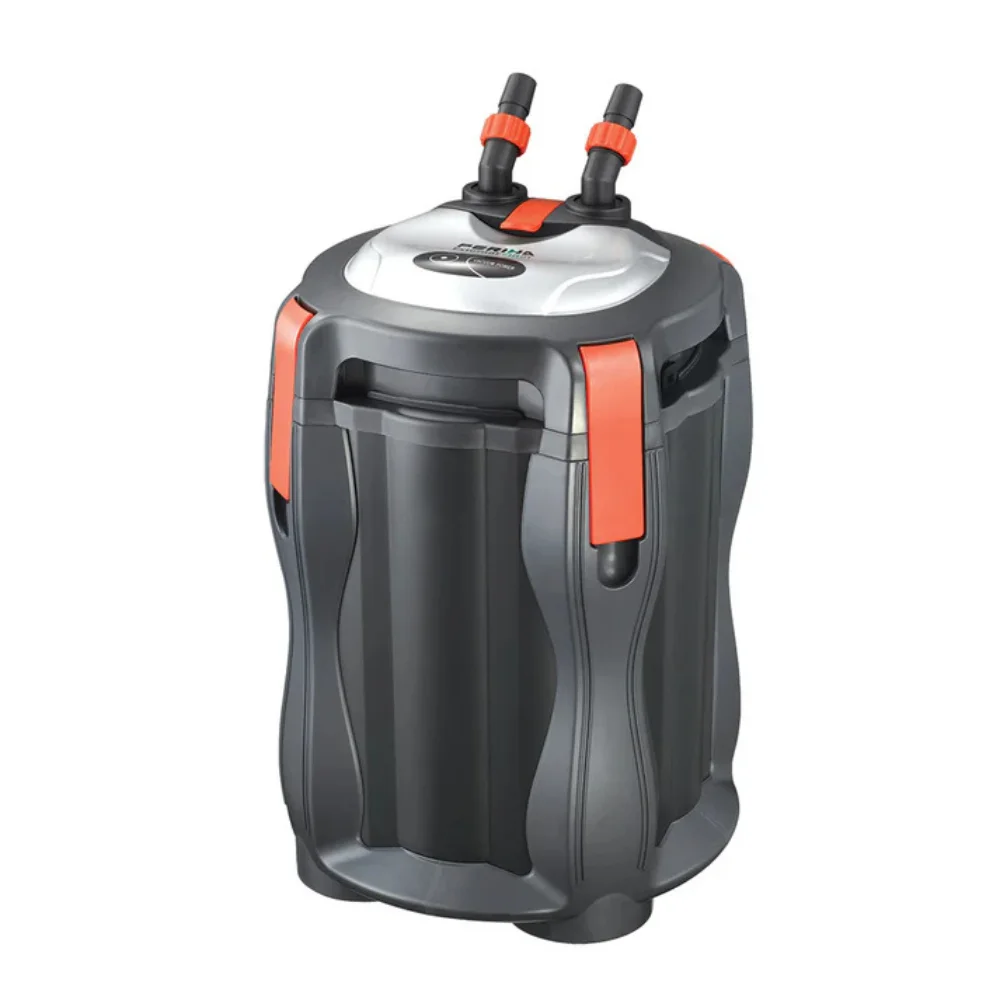
They are a good fit for hobbyists who want quiet operation, strong water movement, and a filter that can grow with a more demanding setup over time.
Shop the Periha EA External Canister FIlters
Shop the Periha EC External UV Canister FIlters
2. Seachem Tidal Power Filters — Best Hang-on-Back Filter
Seachem Tidal Power Filters are ideal for small to medium aquariums where ease of use matters. Their self-priming design helps the filter restart after power interruptions, while the large media basket allows you to tailor the filtration mix to your tank.
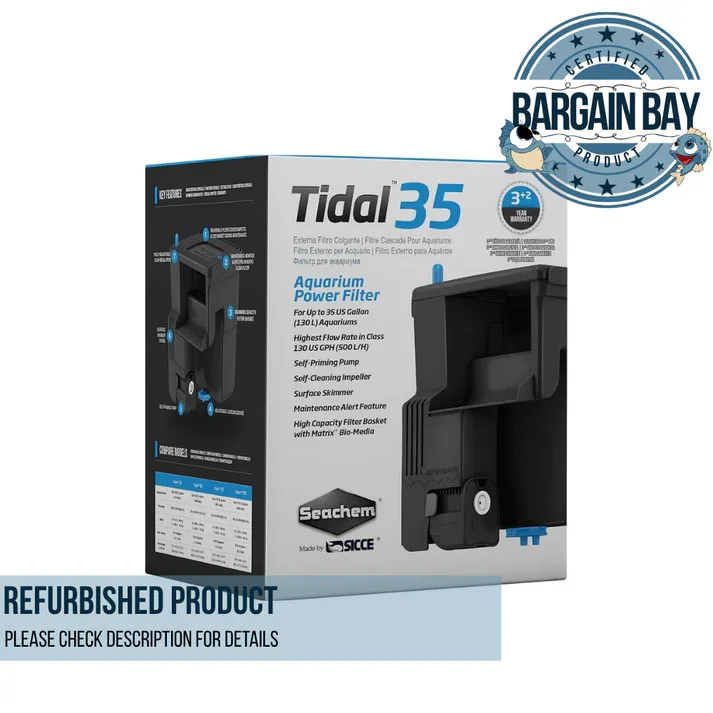
The built-in surface skimmer is especially useful for removing surface film, and the simple maintenance routine makes this a practical beginner-friendly choice.
Shop the Seachem Tidal Power Filter 35
Shop the Seachem Tidal Power Filter 55
Shop the Seachem Tidal Power Filter 75
Shop the Seachem Tidal Power Filter 110
3. Aquatees Bio Sponge Filters — Best Budget and Breeding Filter
Aquatees Bio Sponge Filters are a budget-friendly choice for shrimp tanks, fry tanks, quarantine tanks, hospital tanks, and nano aquariums. Their gentle air-driven flow provides biological filtration and aeration without creating harsh current that can stress small fish or shrimp.
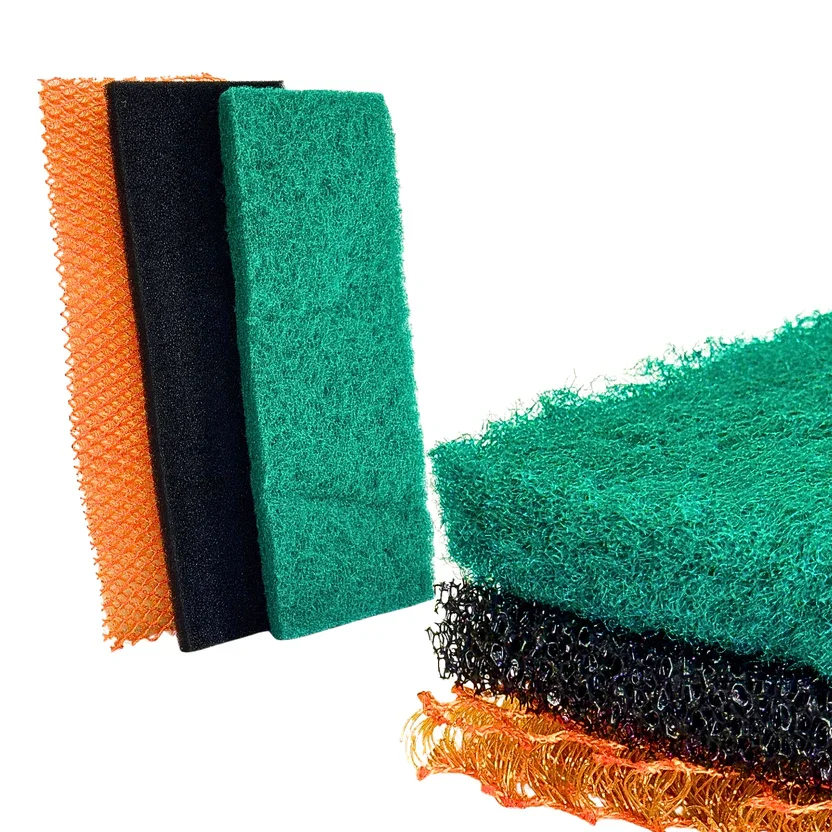
They are simple to clean, affordable to run, and useful as either a main filter in very small tanks or supplementary filtration in breeding and quarantine setups.
Shop the Aquatees Corner Bio Sponge Filters XY-Series
Shop the Aquatees 3in1 Bio Filter Sponges
Shop the Aquatees Round Bio Sponge Filters XY-Series
Shop the Aquatees Jumbo Bio Sponge Filters XY-Series
Shop the Air Driven Bio-Sponge Filter for Aquarium
The Role of Protein Skimmers and RO/DI Systems
While standard mechanical filters catch solid particles, protein skimming tackles dissolved organic waste before it can even enter the nitrogen cycle. Using a process called foam fractionation, a protein skimmer injects micro-bubbles into a reaction chamber. Organic compounds cling to these bubbles, rising to the surface and spilling into a collection cup as a thick, dark liquid.
While a skimmer is not strictly mandatory for a simple, lightly stocked fish-only tank, it is highly recommended for reef systems.
Beyond the filter itself, the quality of your source water is paramount. Tap water contains chlorine, chloramines, phosphates, and heavy metals that can fuel massive algae blooms or poison sensitive invertebrates. Using a dedicated system ensures that you start with pure, zero-TDS water. Regular water changes using pure RO/DI water diluted with quality marine salt are essential to replenish vital minerals and dilute accumulating nitrates that standard filtration cannot remove.
Matching Filter Flow Rate to Your Tank Size
To maintain excellent water quality, your saltwater tank filter must turn over the entire volume of your aquarium multiple times per hour. The general rule of thumb for a marine aquarium is a turnover rate of 5 to 10 times the total volume of the tank per hour. For example, a 100-litre tank typically requires a filter rated for at least 500 to 1,000 litres per hour (LPH).
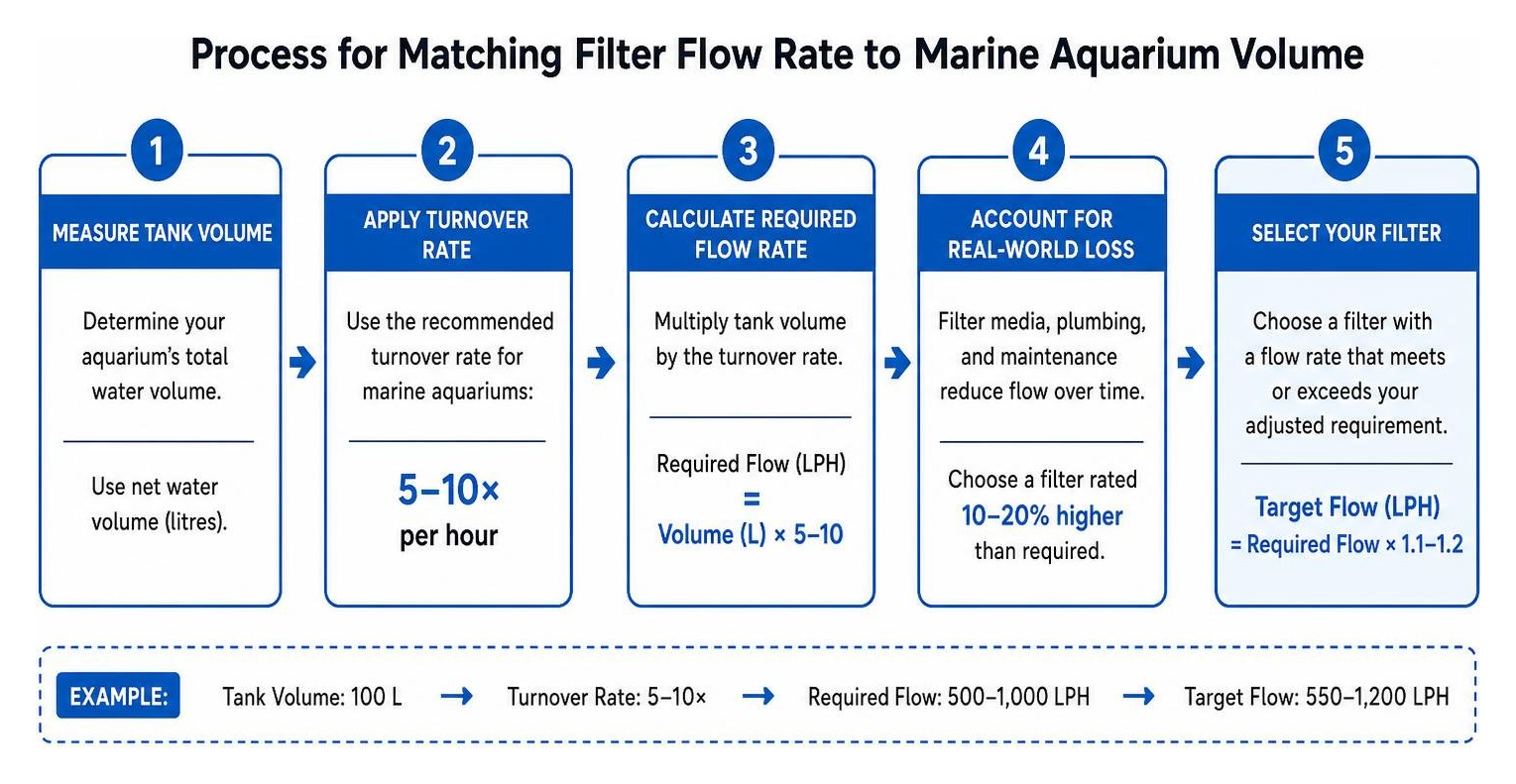
When calculating your flow needs, consider your planned livestock. A fish-only marine tank with predatory species generates a massive bioload, requiring heavy mechanical filtration and a high turnover rate. On the other hand, a dedicated reef tank housing delicate corals might require gentler, highly dispersed flow patterns coupled with intensive chemical filtration to keep dissolved nutrients near zero. Always choose a filter rated slightly higher than your actual tank volume to account for the natural flow reductions caused by dirty filter media over time.
Frequently Asked Questions and Expert Tips
Managing a marine aquarium is incredibly rewarding, but it does require consistent habits. Over the years, we have seen that most filtration issues do not stem from faulty equipment, but rather from minor maintenance oversights or choosing the wrong media for the job.
How Often Should You Clean a Saltwater Tank Filter?

You should clean your mechanical filter media every 3 to 7 days, while biological media should only be gently rinsed every 2 to 4 weeks. Saltwater setups are highly sensitive to accumulating organic waste, making regular maintenance essential for preventing nitrate spikes. You can compare these differences in our freshwater tank filter guide 2026.
- Filter Socks and Fine Wool: Clean or replace these every 3 to 7 days. If left too long, the trapped organic debris will rot directly in the water stream, raising nitrate and phosphate levels.
- Coarse Sponges: Rinse these in a bucket of old tank water every 2 weeks. Avoid using fresh tap water, as the chlorine will instantly kill the beneficial nitrifying bacteria residing in the sponge.
- Canister Filters: Deep clean the body and trays every 4 to 6 weeks. Be sure to inspect the impeller and ceramic shaft for calcium or salt buildup, rinsing them thoroughly to prevent motor damage.
What Is the Best Filter Media for a Saltwater Tank Filter?
The best filter media for a saltwater tank is a combination of mechanical wool, porous ceramic biological media, and chemical media like activated carbon. For mechanical filtration, fine-pore sponges and white filter wool are excellent for polishing the water. To preserve your biological filtration, a high-quality biological filter sponge or porous ceramic media provides the ideal surface area for beneficial nitrifying bacteria to colonise.
For chemical filtration, activated carbon is essential for removing yellowing compounds, toxins, and odours. If you are struggling with nuisance algae, adding a phosphate-removing pad or granular ferric oxide (GFO) directly into your media tray can help keep phosphate levels under control.
Finding the Right Filtration Solution for Your Aquarium
Every marine setup is unique, and finding the perfect balance takes time. We focus on providing practical equipment to help Australian hobbyists build stable, beautiful marine displays. Whether you are looking to browse a Water Filters Collection, select one of our Fish Tanks Collection models, or stock up on essential water treatments from our Aquarium Care Collection, our team is always here to offer straightforward, expert guidance.
Frequently Asked Questions
Can I use the same filter for freshwater and saltwater tanks?
Yes, you can often use the same brands and types of filters for both freshwater and saltwater tanks if the setup is similar, especially for fish-only aquariums. Canister filters, hang-on-back (HOB) filters, internal filters, and sponge filters can all work in both environments when they are correctly sized for the tank.
The media is usually transferable by type too. Sponges, ceramic rings, filter floss, and activated carbon are commonly used in both freshwater and saltwater filtration systems. The key is choosing the right flow rate, media capacity, and maintenance routine for the animals you plan to keep.
Where does saltwater filtration differ from freshwater filtration?
Saltwater aquariums, especially reef tanks, usually need more complete filtration than most freshwater tanks. A marine fish-only tank, including a FOWLR setup, can often use a canister filter, HOB filter, or sump with biological media.
Reef tanks typically rely on a sump, protein skimmer, live rock for biological filtration, and filter socks or filter floss. Some reef keepers also use reactors for carbon or phosphate-removing media. Many avoid relying solely on canister filters because trapped detritus can raise nitrate levels if the filter is not cleaned regularly.
Do freshwater planted tanks need the same filtration as reef tanks?
No. Freshwater planted tanks generally do not require a protein skimmer or sump. A quality canister or HOB filter is usually enough as long as it provides mechanical filtration, biological filtration, and gentle to moderate flow suited to the plants and fish.
Can I move a filter between freshwater and saltwater tanks?
It is not recommended unless you completely disinfect the equipment and restart the filter with fresh media. Once a filter has developed beneficial bacteria, that bacterial colony is adapted to its existing aquarium environment. Moving it directly between freshwater and saltwater tanks can introduce unwanted organisms or diseases, disrupt the biological balance, or carry over medications and contaminants.
Quick summary: freshwater vs saltwater aquarium filtration
| Aquarium Type | Typical Filtration |
|---|---|
| Freshwater community | HOB, canister, internal, or sponge filter |
| Freshwater planted | Canister or HOB filter, often with lower flow |
| Saltwater fish-only | Canister, HOB, or sump with biological media |
| Saltwater reef | Sump, protein skimmer, live rock, and filter socks or floss |
You do not need a filter labelled specifically as freshwater or saltwater. Instead, choose a filter that is appropriately sized for your aquarium and suitable for the type of setup you are building. Reef tanks simply tend to require more comprehensive filtration than most freshwater tanks.
Key Takeaways for Your Saltwater Tank Filter
Selecting the right saltwater tank filter is the foundation of a healthy, thriving marine ecosystem. By matching your filter's flow rate to your tank volume, incorporating high-quality chemical and biological media, and maintaining a consistent cleaning schedule, you can easily avoid the common pitfalls that many beginners face. We encourage you to research your options carefully, follow manufacturer guidelines, and choose a setup that fits your long-term husbandry habits.
To help you get started on your marine journey, explore these collections and resources on our website:
- Find your next high-performance filtration system in our Water Filters Collection.
- Browse our range of stylish glass tanks in our Fish Tanks Collection.
- Keep your water parameters perfectly balanced with essentials from our Aquarium Care Collection.