

Why Getting Your Fish Supplies Right From the Start Matters
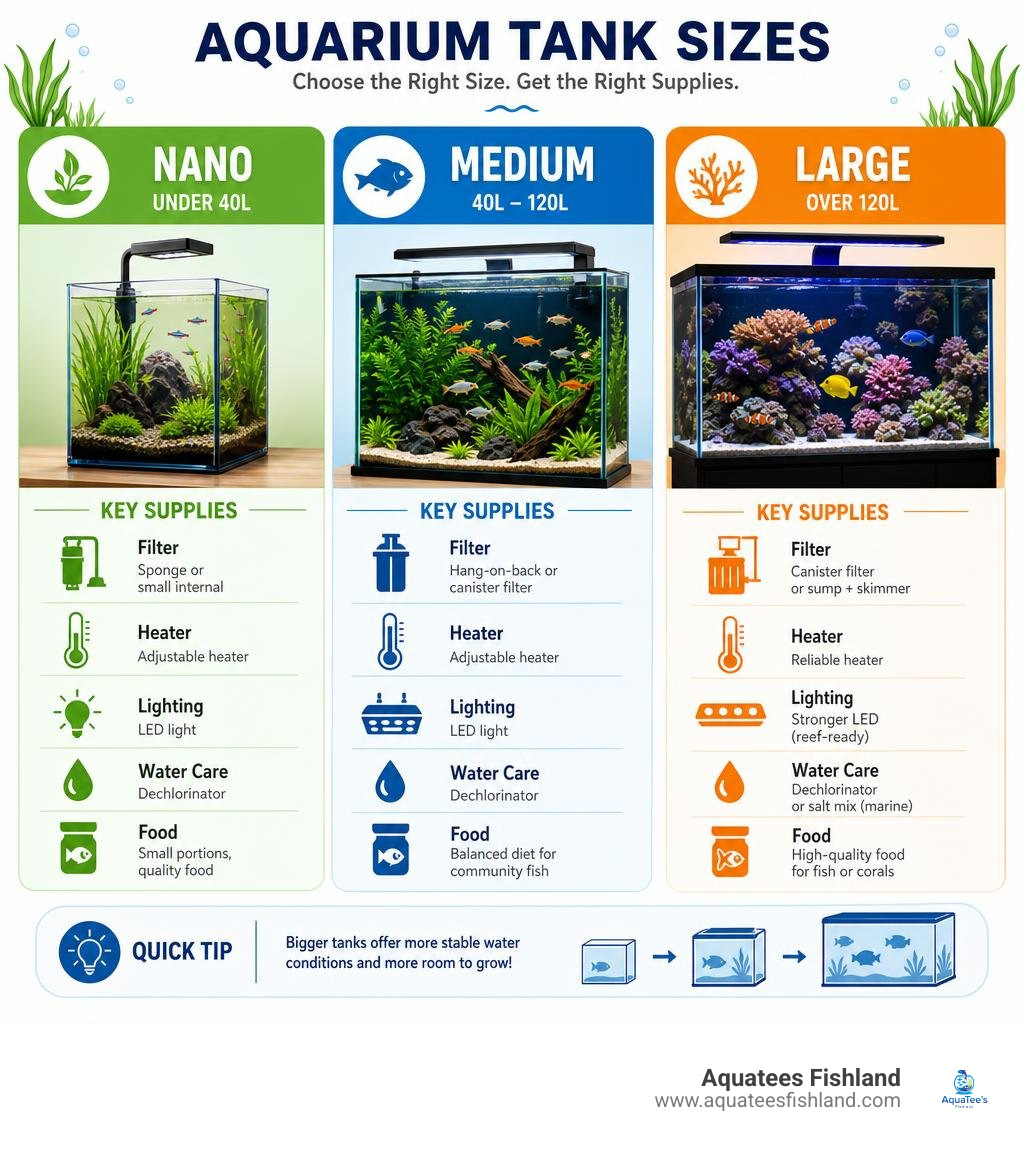
To buy fish supplies successfully, you must select a compatible tank, a reliable filter, a water conditioner, substrate, a heater, and appropriate food. Choosing these core items first ensures your aquatic environment remains stable and safe for your fish.
Many beginners feel overwhelmed by the sheer volume of choices available when they first set up a tank. Selecting the wrong equipment can lead to unstable water conditions, which stresses your aquatic life.
By focusing on the essential biological needs of your system, you can avoid common setup mistakes. A methodical approach saves time and prevents unnecessary expenses during the initial setup phase.
Whether you plan to keep a simple freshwater community or a complex marine reef, the core principles remain identical. You must establish a stable biological filter, maintain consistent temperatures, and provide proper nutrition.
My name is Naim Ibn Nahshid, and through my hands-on work at Aquatees Fishland across product listings and daily customer support, I have helped many hobbyists select the right gear. This guide will walk you through the process step by step.
| Supply Type | Freshwater | Marine |
|---|---|---|
| Tank | Glass or acrylic aquarium | Reef-ready or glass tank |
| Filtration | Sponge filter or canister filter | Protein skimmer + sump or canister |
| Water treatment | Dechlorinator (e.g. Seachem Prime) | Salt mix + RO water + refractometer |
| Substrate | Gravel or sand | Aragonite sand or live sand |
| Heating | Adjustable heater | Stable heater (critical for reef) |
| Lighting | LED aquarium light | Reef-grade LED for corals |
| Cycling | Beneficial bacteria + ammonia test kit | Same, plus marine-specific bacteria |
| Food | Flakes, granules, or sinking wafers | Marine pellets, frozen, or coral food |
Essential Equipment and How to Buy Fish Supplies
To buy fish supplies that keep your aquarium healthy, prioritise a reliable filtration system matched to your tank volume. This primary equipment establishes the biological balance necessary to neutralise harmful waste products.
Your aquarium equipment acts as a life-support system. If one part fails or is poorly matched to your tank volume, the biological balance can collapse rapidly.
Freshwater Tank Essentials: What to Buy First
Selecting a durable glass tank is the first step toward a successful setup. Glass offers excellent scratch resistance and long-term clarity compared to acrylic alternatives.
For detailed guidance on choosing your first aquarium, you can read our comprehensive guide on the Best Fish Tanks for Beginners.
Your filtration system is the heart of the aquarium, keeping the water clear and housing beneficial bacteria. For smaller setups, an Internal Tank Filter provides efficient mechanical and biological filtration.
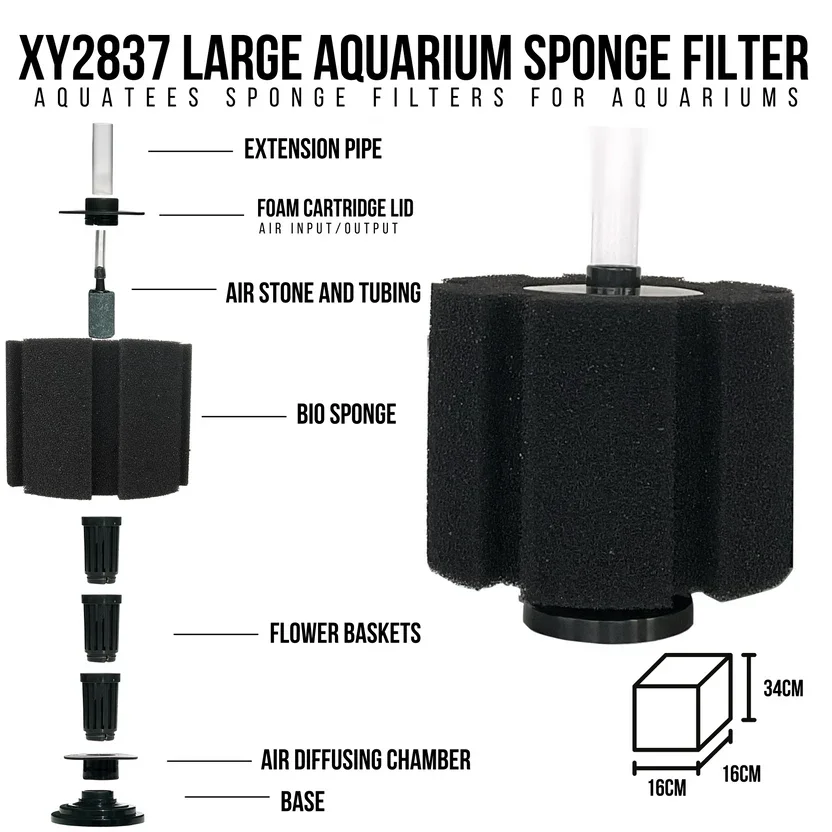
Sponge filters are highly favoured for their gentle flow and excellent surface area. A reliable option like the Aquatees Jumbo Sponge is ideal for maintaining stable freshwater environments.
Substrate choice also plays a key role in your tank's ecosystem. Gravel is easy to clean with a gravel vacuum, while fine sand is better suited for bottom-dwelling species that like to sift through the floor.
Maintaining a stable temperature is vital for tropical species. You can find a suitable model by reading our review of the Best Heater for Fish Tank.
Lighting supports both visual appeal and live plant growth. If you wish to grow live plants, specialised Dymax Lights provide the specific light spectrum required for photosynthesis.
Marine Filtration and Saltwater Setup Essentials
Marine environments require a highly robust filtration setup due to the sensitivity of saltwater species. Australian conditions present unique challenges, particularly during the hot summer months.
High ambient temperatures cause rapid water evaporation, which quickly concentrates salt levels. This sudden rise in salinity can stress sensitive marine fish and corals.
To combat these salinity swings, a reliable filtration system must serve as your foundation. Using an External Filter Pump keeps your equipment outside the tank, leaving more swimming space for your fish.
An external unit like the Periha EC Canister features built-in ultraviolet sterilisation. This helps control floating algae and waterborne pathogens in marine systems.
You will also need a reliable salt mix to replicate natural ocean water. A precise refractometer is essential to measure salinity accurately, as basic hydrometers can give inconsistent readings.
Specialised reef lighting is necessary if you plan to keep live corals. These lights provide the intense blue spectrum that corals need to survive and grow.
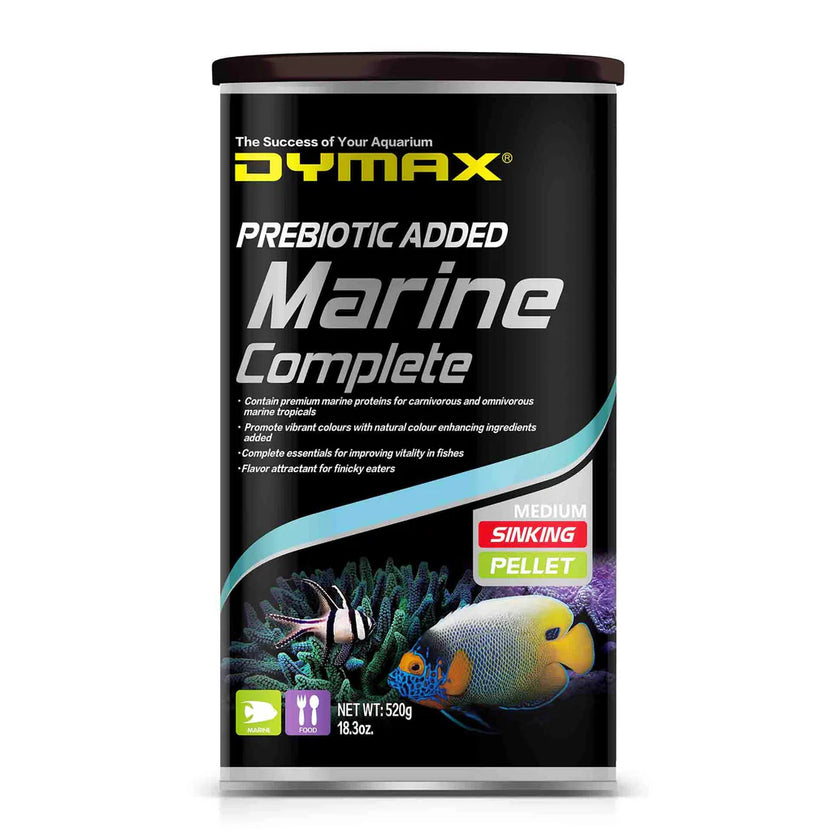
Proper nutrition is also vital for marine species. Diets like Dymax Marine Complete provide essential amino acids and vitamins that support natural colours and immune health.
Water Quality, Cycling, and Fish Nutrition
The nitrogen cycle is the most critical biological process in any aquarium. When fish produce waste, it breaks down into toxic ammonia, which must be converted by beneficial bacteria into safer compounds.
To protect your fish, you must treat tap water before adding it to the tank. A water conditioner like Seachem Prime neutralises chlorine and chloramines instantly.
Water parameters vary significantly across different regions. Rather than following general guidelines, check with your local water authority to understand the specific mineral content and pH of your tap water.
To speed up the biological cycling process, you can introduce live beneficial bacteria. Products like Seachem Stability or FritzZyme 7 help establish the biofilter in freshwater tanks.
For saltwater setups, using FritzZyme 9 introduces marine-specific bacteria to kickstart the biological filtration process.
Regular water testing is the only way to monitor these invisible chemical changes. A reliable kit, such as the Sera Ammonia Test Kit, helps you detect ammonia spikes before they harm your fish.

Diet directly impacts the health, colour, and immunity of your fish. When fish consume food, their bodies process nutrients to support their immune systems and enhance their natural colours.
Unused nutrients are excreted as waste, which directly increases the biological load on your filtration system. Overfeeding leads to excess uneaten food decaying in the water, which quickly degrades water quality.
Balancing your feeding habits with your filter capacity is essential for maintaining a clear and stable environment. Feed your fish only what they can consume within two minutes to prevent waste buildup.
If your fish outgrow their current environment, prioritise internal rehoming solutions first. Relocating the fish to a larger or more suitable tank setup within your home keeps them in a controlled environment.
If an internal move is not possible, you can gently explore external options. These include donating to trusted local hobbyist communities or selling to experienced keepers who have the proper facilities.
When preparing natural decor like driftwood or rocks, avoid risky DIY methods such as boiling rocks, which can cause them to split dangerously. Instead, research safe preparation methods, inspect materials thoroughly, and follow manufacturer guidelines for any natural elements you introduce.
| Food Type | Best Suited For | Key Benefits | Recommended Product |
|---|---|---|---|
| Granules | Community tropical fish, Goldfish | Sinks slowly, excellent for mid-water feeders | Aquatees Staple Deluxe Granules |
| Colour Enhancing Pellets | Cichlids, larger tropical species | High protein, enhances natural pigmentation | Aquatees Premium Tropical & Cichlid Food |
| Algae Wafers | Plecos, bristlenose, herbivorous bottom-feeders | Hard wafer that does not dissolve quickly, rich in spirulina | Hikari Algae Wafers |
How to Choose the Right Gear and Buy Fish Supplies Online
Matching your equipment to your specific tank volume is critical for long-term success. A filter that is too small will fail to keep the water clean, while an oversized pump can create excessive current.
Shopping online at a specialised aquarium store offers access to a wider range of dedicated products. You can easily find replacement parts, specific filter media, and specialised water treatments.
Many online stores offer starter bundles that combine compatible tanks, filters, and heaters. This ensures all your core components work together seamlessly from the start.
FAQ: Common Questions When You Buy Fish Supplies
What starter supplies do I need to start a tank?
To start a basic freshwater tank, you need a glass aquarium, a filter, a water conditioner, beneficial bacteria, substrate, a heater, a water test kit, and suitable fish food. These core items work together to establish a stable biological environment for your aquatic life.
Can I use freshwater equipment in marine tanks?
Some equipment like heaters and certain canister filters can be used in both systems. However, marine tanks generally require specialised saltwater gear such as protein skimmers and marine-grade LED lights to handle the corrosive nature of saltwater.
How often should I replace filter media?
Mechanical media like filter wool should be rinsed or replaced monthly to maintain water clarity. Biological media should never be replaced all at once, as this destroys the beneficial bacteria that neutralise toxic waste.
Do I need expensive equipment to start?
You do not need to buy the most expensive gear to have a successful aquarium. A simple, well-maintained setup with a reliable sponge filter and regular water testing can keep fish healthy while keeping your initial costs low.
Fish Supplies Buying Guide: Key Takeaways
Establishing a successful aquarium relies on understanding the biological needs of your aquatic ecosystem. Prioritising reliable filtration, proper water conditioning, and balanced nutrition creates a stable environment where fish can thrive.
Monitoring water parameters through regular testing allows you to address changes before they impact fish health. Checking with your local water authority ensures you understand the baseline chemistry of your tap water.
When selecting decor or managing growing fish, always follow safe guidelines and prioritised internal rehoming solutions. Taking a methodical, research-based approach ensures long-term success and enjoyment in the hobby.
For a deeper look at building a stable aquarium system, see Aquatees Fishland Australia’s Complete Fish Supplies Store for Aquarium Hobbyists, then shop the essentials here: