

Why LED Aquarium Lighting Makes a Real Difference in Your Tank
Choosing the right LED aquarium lighting is one of the easiest ways to make your fish tank look amazing. The right light helps your live plants grow, makes your fish look more colourful, and keeps your tank healthy. If you are a beginner, you do not need to worry about complicated science to get started.
Here is a simple guide to help you choose the best light for your setup:
- Freshwater planted tanks: Look for a full-spectrum light that helps plants grow green and strong.
- Marine reef tanks: Look for deep blue lights that help corals grow and glow.
- Small nano or betta tanks: A simple, low-power clip-on light with a built-in timer is perfect.
- Standard fish-only tanks: A basic white light that shows off your fish's natural colours is all you need.
LED lights are much better than old-style fluorescent tubes. They use very little electricity, do not get hot, and last for years. Brands like Dymax make great, budget-friendly lights that are perfect for beginners and easy to set up.
My name is Naim Ibn Nahshid. Through my work at Aquatees Fishland, I help everyday hobbyists find the right gear for their tanks. In this guide, I will share simple, practical tips to help you choose the perfect light without getting lost in confusing technical jargon.
Choosing the Right LED Aquarium Lighting for Your Tank
To pick the right light, you just need to match it to what is living inside your tank. If you have live plants or corals, they need a bit more light energy. If you only have fish, a basic light is perfect.
Switching to LEDs saves you money. Old-style aquarium bulbs lose their brightness and need to be replaced every few months. Good quality LEDs can last for years without needing new bulbs. This makes them a very smart, budget-friendly choice for Australian fishkeepers.
If you want to learn more about different options, our simple Aquarium Lighting Guide 2026 breaks it down in plain English.
Understanding LED Aquarium Lighting in Simple Terms
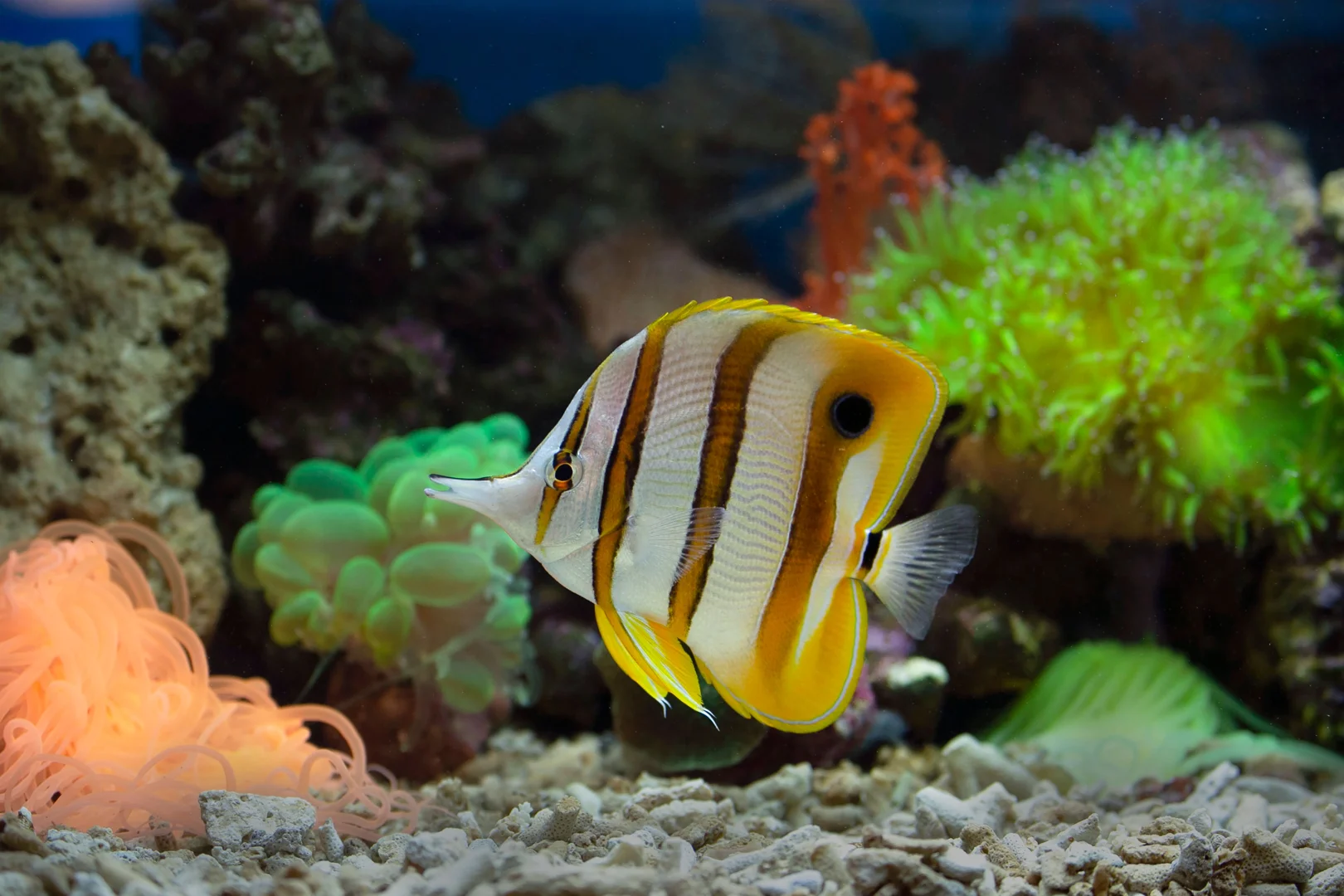
You might hear terms like "PAR" when looking at lights. All this means is the actual amount of usable light energy that reaches your plants or corals to help them grow. Instead of just looking at how bright a light is to your eyes, you want a light that gives off the right colours for plant health.
Many modern LED lights let you adjust the colours. You can turn up the red and blue lights to help plants grow, or turn up the white lights to make your fish look brighter.
LEDs also create a beautiful "shimmer effect" in the water, which looks just like natural sunlight hitting a wild river. For reliable, easy-to-use options, check out our Dymax lighting products. If you are planning a larger home setup, you can also read our Luxury Aquarium Ultimate Guide 2026.
Freshwater Planted Tanks vs Marine Reef Setups
Freshwater plants and saltwater corals have very different needs. Freshwater plants love red and blue light to grow thick and green. If you are setting up your very first tank, our guide on Starting a Freshwater Aquarium is a great place to start. For a simple, budget-friendly option, Aquatees LED lights are perfect for everyday freshwater tanks.
Saltwater reef tanks need much stronger, deep blue light. This blue light feeds the tiny organisms living inside the corals. Keep in mind that strong reef lights can cause water to evaporate faster, so you will need to top up your tank with fresh water regularly to keep your water parameters stable.
Tank Size, Mounting, and Light Penetration
Water naturally blocks light. This means if you have a very deep tank, you need a slightly stronger light so it can reach the bottom. If the light is too weak, low-growing plants on the gravel might struggle.
Most LED lights are very easy to install. They usually come with adjustable brackets that slide right onto the glass walls of your tank. Some can also be hung from the ceiling for a sleek look. To make sure you get the right size light for your tank, take a look at our Buy Fish Tank Complete Guide.

Frequently Asked Questions About LED Aquarium Lighting
Setting up your first tank can feel overwhelming, but we are here to make it easy. Below are simple, straightforward answers to the most common questions beginners ask about aquarium lights.
If you are ready to upgrade, you can browse our Aquarium Lighting Collection or find a new home for your fish in our Fish Tanks Collection. We also have plenty of Aquascaping Supplies and Aquarium Care Products to help you succeed.
How long should I leave my LED aquarium lighting on each day?
You should keep your lights on for 8 to 10 hours a day. This mimics a normal day and night cycle for your fish and plants.
We highly recommend using a simple plug-in timer. This turns the light on and off at the same time every day automatically. Just like us, fish need a dark period to sleep and rest. Leaving the lights on 24/7 will stress your fish and cause massive algae problems.
Can LED lights cause algae growth in my fish tank?
Lights themselves do not cause algae, but leaving them on for too long will. Algae grows when there is too much light combined with extra fish waste or leftover food in the water.
To prevent algae, keep your lights on a strict timer and do a partial water change every week. If you are just starting out, read our guide on the Best Fish Tanks for Beginners. Using a reliable filter, like the Periha EC Canister Filter, also helps keep your water clean and algae-free.
What are the benefits of smart controls and heat management?
Smart controls let you program your lights to slowly fade in the morning and fade out at night. This mimics a natural sunrise and sunset, which prevents your fish from getting startled when the light suddenly turns on.
Good quality LED lights also have built-in heat sinks. This keeps the light cool without needing loud, noisy fans, helping the light last much longer. For reliable lights with these great features, explore our Dymax lighting products.
What is the best LED light for a beginner on a budget?
For beginners, we recommend a simple, full-spectrum LED strip light with adjustable brackets. These are affordable, easy to mount on almost any tank, and provide plenty of light for basic fish and easy-to-grow plants like Anubias or Java Fern.
Do I need a special light if I don't have live plants?
No. If you only have plastic plants and fish, you do not need a powerful or expensive light. A basic white LED light is perfect just to help you see your fish and keep them on a healthy day-and-night routine.
Finding the Best LED Aquarium Lighting for Your Australian Setup
Featured LED Aquarium Lighting Range at Aquatees Fishland
If you are ready to choose a light, Aquatees Fishland stocks options for nano tanks, everyday freshwater aquariums, and marine reef setups. Here are three popular choices to compare:
| Product | Best for | Key features | Size options |
|---|---|---|---|
| Aquatees Aquarium Clip-On LED Lights HL-30D Series - B&W ONLY | Smaller tanks, nano aquariums, and space-limited setups | Blue and white LEDs, sturdy clip-on mounting, dual switch settings, compact design, Australian-standard plug | HL-3030D: 13W, 30 LEDs, 30-40cm tanks; HL-3040D: 21W, 45 LEDs, 45-60cm tanks; HL-3050D: 27W, 60 LEDs, 50-75cm tanks |
| Aquatees Aquarium LED Lights HL-30A Series - B&W ONLY | Freshwater, marine, planted, and larger standard tanks | Blue and white LEDs, marine and freshwater compatibility, dual switch settings, extendable mounting brackets, Australian-standard plug | HL-3040A: 11W, 44 LEDs, 35-55cm tanks; HL-3060A: 18W, 88 LEDs, 55-80cm tanks; HL-3080A: 28W, 132 LEDs, 80-100cm tanks; HL-3090A: 32W, 154 LEDs, 90-120cm tanks; HL-3100A: 38W, 176 LEDs, 100-120cm tanks; HL-3120A: 45W, 220 LEDs, 120-150cm tanks |
| Dymax Reef Eclipse LED Light - Marine | Marine and reef aquariums that need stronger coral-focused lighting | Full-spectrum output, essential RGB wavelengths, balanced viewing light, strong coral colour support, lower heat than older lighting systems | Marine-focused LED fixture range |
For compact tanks, the HL-30D clip-on series is a convenient choice because it mounts securely without taking up much space. For standard tanks, the HL-30A series offers extendable brackets and more size options, making it easier to match the light to your aquarium length. For reef keepers, the Dymax Reef Eclipse is designed to support coral growth, colour, and accurate viewing in marine aquariums.
All Aquatees products are quality checked before packing, and larger aquarium items may require specialised freight, so it is worth reviewing the shipping details before ordering.
Choosing the right led aquarium lighting is one of the most rewarding decisions you can make for your tank. By matching the spectrum to your plants or corals, selecting the correct size for your tank depth, and maintaining a consistent daily schedule, you can create a beautiful and healthy aquatic environment. At Aquatees Fishland, we are always here to help you find the right gear for your home or office aquarium.
If you are ready to upgrade your setup or start a new tank project, explore our collections below:
- Browse our complete Aquarium Lighting Collection for reliable, energy-efficient fixtures.
- Find the perfect home for your fish in our high-quality Fish Tanks Collection.
- Keep your water crystal clear with our premium Aquarium Care Products.
Conclusion and Key Takeaways for LED Aquarium Lighting
Selecting the appropriate illumination for your aquarium is a fundamental step in establishing a balanced and healthy aquatic ecosystem. By matching the light spectrum to the biological needs of your plants or corals, you ensure they receive the exact wavelengths required for photosynthesis. Managing the photoperiod with automatic timers prevents excessive light exposure, which is a primary contributor to unwanted algae growth.
Understanding the physical dimensions of your tank helps you choose a fixture with sufficient penetration to reach the substrate. This ensures that low-growing plants and bottom-dwelling organisms receive adequate energy. Investing in modern LED systems provides long-term energy efficiency and eliminates the need for frequent bulb replacements, making it a practical choice for maintaining stable aquarium conditions over time.