

Why More Aussie Hobbyists Choose to Order Fish Tank Online
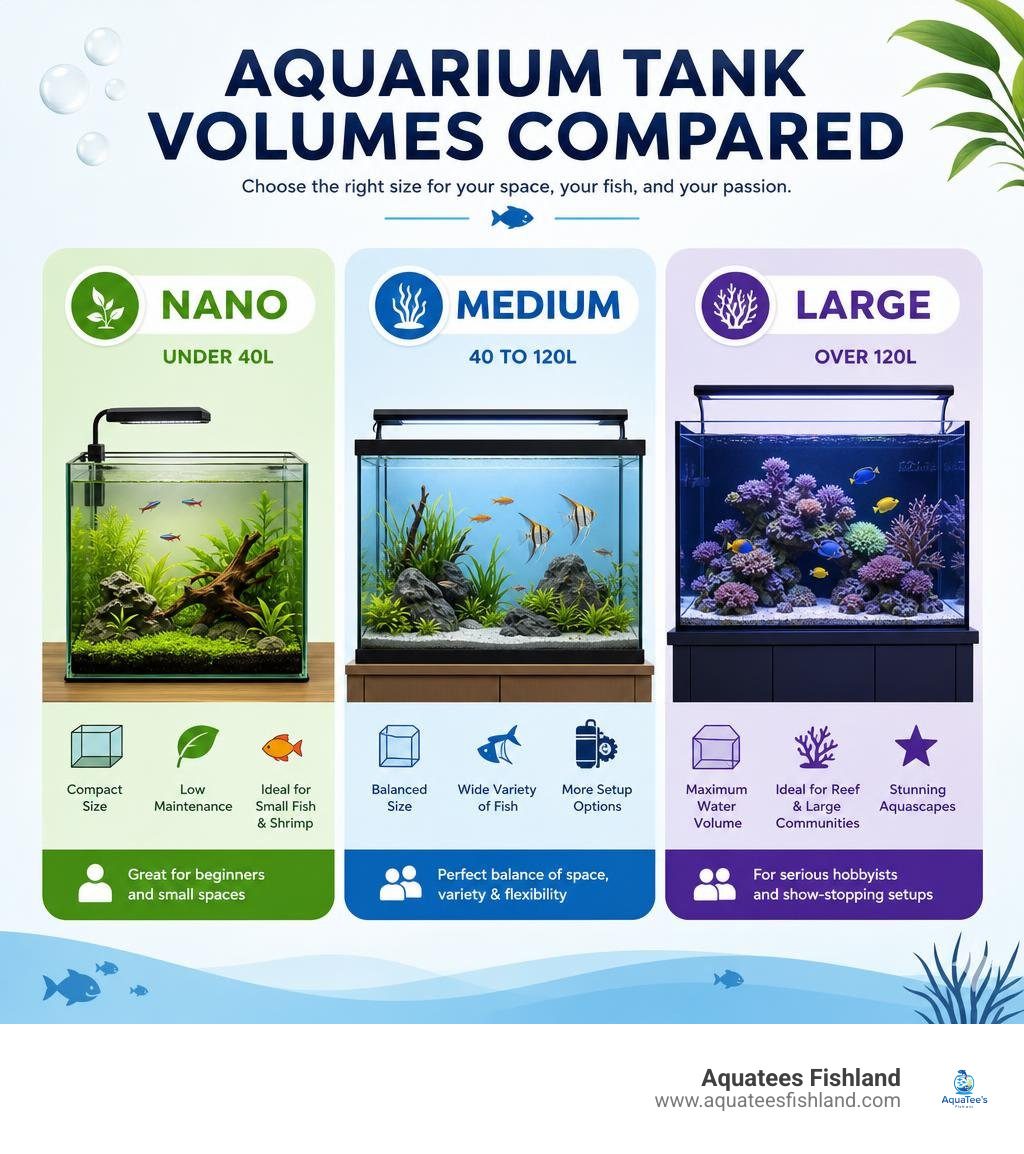
When you decide to order a fish tank online, you gain access to a massive variety of setups that local shops rarely keep in stock. This range spans from compact nano systems under 40 litres to expansive custom displays designed for complex aquatic environments.
Ordering online allows you to compare specifications, dimensions, and equipment compatibility from the comfort of your home. This convenience helps you make informed decisions without any pressure.
Planning your setup carefully before making a purchase is the key to long-term success. Understanding the weight of a filled system and the space required for maintenance prevents unexpected challenges.
How to order a fish tank online (quick steps):
- Choose your tank type based on your space and aesthetic preferences.
- Select the correct volume and dimensions for your intended livestock.
- Plan your filtration, heating, and lighting systems to match the tank size.
- Prepare a sturdy, level support structure that can handle the total weight.
- Cycle the water thoroughly before introducing any aquatic life.
The process is straightforward, but planning is essential to avoid common mistakes. Selecting the wrong size or forgetting necessary support equipment can delay your setup.
Understanding what to look for before making a purchase ensures a smooth setup process. This guide helps you navigate the selection process with confidence.
I am Naim Ibn Nahshid, and my experience in customer support at a specialist aquarium supplier has given me unique insights into this process. This guide shares practical advice to help you succeed with your new aquarium.
Key Considerations When You Order Fish Tank Online
When you decide to order a fish tank online, the most critical factors to evaluate are the material, the precise dimensions, and the compatibility of your support equipment. Understanding these elements beforehand ensures you do not end up with a tank that is too heavy for your cabinet.
Planning is your best friend when setting up a new aquarium. You need to think about where the tank will sit, how much the filled system will weigh, and how you plan to run your power cords.
Water weighs about one kilogram per litre, meaning a 100-litre tank will easily weigh over 120 kilograms once you add substrate, rocks, and equipment. Checking the structural integrity of your furniture before ordering is a vital step.
If you are going for a larger setup, investing in a dedicated aquarium stand is a smart move to prevent structural bowing over time. This ensures your setup remains safe and stable for years to come.
Choosing the Right Size and Material Before You Order Fish Tank Online
Choosing the right size and material before you order a fish tank online depends on your experience level, budget, and the specific livestock you plan to keep. Glass is highly scratch-resistant and cost-effective, while acrylic is lightweight and offers excellent optical clarity.
For those looking for a sleek, modern aesthetic, rimless glass tanks are highly popular. These tanks feature low-iron glass and mitered, silicone-sealed edges, providing an incredibly clear, distortion-free view of your aquascape.
If you are looking for massive setups, custom acrylic builds are highly durable, though they can require a build time of several weeks depending on the manufacturer. Acrylic is also highly impact-resistant, making it a great option for busy households.
To help you decide on the absolute best footprint for your home, check out our comprehensive Guide to Fish Tank Size. If you are completely new to the hobby, our list of the Best Fish Tanks for Beginners will point you in the right direction.
When upgrading your system, prioritizing internal rehoming by relocating your existing fish to the new, larger setup is the best approach. If you must find external options, donating to trusted local communities or experienced hobbyists is a safe secondary choice.
Selecting Essential Filtration and Equipment for Your New Setup
Selecting the right filtration and equipment is the foundation of a healthy aquarium, as your filter must be capable of processing the specific bio-load of your future livestock. A robust filtration system generally combines mechanical, biological, and chemical stages to maintain clear, safe water.
When you order a fish tank online, you can choose between buying an all-in-one kit or building your own custom setup component by component. While kits are incredibly convenient, building your own setup allows you to tailor your filtration to your exact needs.
- Mechanical Filtration: Sponges and filter wool catch physical debris.
- Biological Filtration: High-surface-area media houses beneficial nitrifying bacteria.
- Chemical Filtration: Media like carbon or resins remove impurities and organic waste.
For larger setups, an external canister unit like the Periha EC Canister Filter provides excellent water flow and massive media capacity. This unit helps maintain pristine water conditions by circulating water through multiple stages of filtration.
If you are running a smaller breeding tank or a gentle shrimp setup, a reliable sponge option like the Aquatees Jumbo Sponge Filter is often the perfect choice. You can read more about selecting the right unit in our guide on the Best Tank Filter.
Preparing Your Space and Support Structure
Preparing your space and support structure is a critical step that must be completed before your new aquarium arrives. A level, sturdy surface is essential to prevent uneven stress on the glass panels and silicone seams.
Uneven surfaces can cause the glass to experience torsional stress, which may lead to leaks or structural failure over time. Using a dedicated aquarium mat under rimless tanks helps distribute weight evenly and absorb minor imperfections.
Ensure the chosen location is away from direct sunlight and drafty areas to prevent temperature fluctuations and excessive algae growth. Access to power outlets should also be planned carefully to avoid using overloaded extension cords.
Keep in mind that once a tank is filled, it cannot be moved. Planning the layout of your equipment, cords, and maintenance access beforehand will save you significant effort during routine cleaning.
A dedicated aquarium stand is designed to handle the constant weight of water, substrate, and heavy rocks. Standard household furniture often lacks the internal bracing required to support hundreds of kilograms safely.
Step-by-Step Guide to Cycling and Water Preparation
Cycling your new aquarium is the process of establishing a beneficial biological filter to convert toxic waste into harmless compounds before you introduce any livestock. This nitrogen cycle is crucial for preventing new tank syndrome and ensuring long-term fish health.
Think of your biological filter as a busy suburb of helpful microscopic workers. These bacteria work constantly to clean up waste, keeping the environment safe and stable for your aquatic inhabitants.
Without these beneficial bacteria, waste products like ammonia will quickly build up to dangerous levels. Establishing this biological balance is the most important step in setting up any new aquarium.
To cycle your tank safely, you will need to prepare your tap water and monitor your parameters closely. Here is a simple, reliable method to get your system running properly:
- Dechlorinate the Water: Tap water contains chlorine and chloramines that will kill beneficial bacteria. Use a concentrated water conditioner like Seachem Prime to neutralise these toxins instantly.
- Introduce Beneficial Bacteria: To speed up the natural cycling process from weeks to days, add a live nitrifying bacteria starter such as FritzZyme 7.
- Monitor Your Parameters: Use a reliable testing kit like the Sera Ammonia Test Kit to track ammonia and nitrite levels. Your cycle is complete when both ammonia and nitrite read zero.
Instead of relying on generic regional water parameters, always check with your local water authority to understand the specific mineral content of your tap water. This helps you make precise adjustments for your setup.
For a deeper dive into this critical phase, take a look at our step-by-step guide to Starting a Freshwater Aquarium. Taking your time during this stage will protect your future aquatic life from unnecessary stress.
Frequently Asked Questions About Online Aquarium Shopping
Should I buy an all-in-one aquarium kit or build a custom setup?
All-in-one kits are ideal for beginners because they bundle the tank, filter, and lighting into a single package. Building a custom setup gives you complete control over each component, which is preferred by experienced hobbyists who want to keep sensitive species.
How do glass and acrylic fish tanks compare in durability?
Glass tanks are highly scratch-resistant and maintain clarity for decades, but they can crack under severe impact. Acrylic tanks are lighter and more impact-resistant, making them safer for households with active pets, though they scratch more easily.
How do I choose the best location for my new aquarium?
The best location for your aquarium is a flat, level surface away from direct sunlight and drafty areas. This positioning helps prevent rapid temperature fluctuations and excessive algae growth, making maintenance much easier over time.
Can I use the same equipment for both saltwater and freshwater setups?
Some basic equipment like heaters can be used for both setups, but filtration and lighting requirements differ significantly. Saltwater systems typically require specialized filtration and high-intensity lighting, whereas freshwater setups rely on simpler canister or sponge filters.
Key Takeaways for Your Next Online Fish Tank Purchase
Successfully setting up a new aquarium requires careful planning, from selecting the right dimensions to establishing a healthy biological filter. By understanding the differences between glass and acrylic, you can choose a system that fits your space, maintenance style, and livestock goals.
Preparing a level support structure and cycling your water thoroughly are practical steps that protect your aquatic ecosystem. Checking with your local water authority can also help you understand the baseline parameters of your source water before making adjustments.
For your next step, explore the most relevant Aquatees Fishland resources below:
- Compare available options in the Aquatees Fishland Fish Tanks Collection.
- Learn how size affects setup planning in our Guide to Fish Tank Size.
- Browse more aquarium setup advice on the Aquatees Fishland articles page.