

What Is an Overcrowded Fish Tank and Why Does It Matter?
An overcrowded fish tank is an aquarium that contains more fish than its water volume, surface area, and filtration system can safely support. This imbalance leads to rapid waste accumulation, oxygen depletion, and severe stress or disease for the aquatic inhabitants.
How to fix an overcrowded fish tank in 5 steps:
- Relocate fish to a larger or secondary tank setup
- Upgrade filtration to handle the actual bioload
- Increase water change frequency and reduce feeding
- Add fast-growing live plants to absorb excess nutrients
- Optimise your tank layout to maximise usable swimming space
Many aquarists do not realise there is a problem until things go wrong. The water looks cloudy, a fish hides, and then another dies suddenly. What looks like a lively tank can actually be a system under serious stress.
Nitrate levels in overcrowded tanks can run three times higher than in properly stocked setups. Disease susceptibility can increase by up to 50 percent. Fish that might live a decade can be reduced to just a few years in cramped conditions.
Overcrowding is not just about how many fish you can physically fit. It is about whether your water volume, filtration, and surface area can sustain the waste those fish produce. A single goldfish, for example, can produce as much waste as ten neon tetras.
If this sounds familiar, you are in the right place. I'm Naim Ibn Nahshid, part of the team at Aquatees Fishland. I have spent the past two years helping customers diagnose and fix exactly these kinds of overcrowded fish tank problems. For more on common setup mistakes that lead to overstocking, check out our guide on Beginner Aquarium Mistakes.
The Science and Signs of an Overcrowded Fish Tank
An overstocked environment directly compromises the biological processes required to sustain aquatic life. When too many fish are kept in a confined space, the volume of organic waste increases dramatically. This organic matter decays and releases toxic ammonia into the water.
Think of the aquarium's biological filter as a small waste treatment plant for a busy town. If the town's population suddenly triples, the treatment plant overflows, leaving the streets polluted. In a balanced system, beneficial bacteria convert ammonia into nitrite and then into nitrate.
However, if the biological load exceeds the filtration system's processing capacity, this natural cycle breaks down. This results in rapid ammonia and nitrite accumulation. As waste levels rise, dissolved oxygen levels in the water drop.
This oxygen depletion is often most severe at night. This is when live plants stop producing oxygen and begin consuming it alongside the fish. When oxygen levels drop below 4 mg/L, fish will show visible signs of distress, such as hovering near the water surface and gasping for air.

This chronic environmental stress can have severe internal consequences. When stocking density stays too high, fish may suffer ongoing strain on vital organs, weakened immunity, and a higher risk of disease.
Gills develop epithelial hyperplasia and lamellar fusion, which restricts their ability to absorb oxygen. Kidneys also show signs of hydropic degeneration, while the spleen suffers from white pulp depletion. These internal changes severely weaken the immune system of the fish.
Beyond internal organ damage, you may notice several physical and behavioural warning signs:
- Water that remains constantly hazy or discoloured, which is discussed further in our guide on Why is Aquarium Water Cloudy.
- Erratic swimming, fin nipping, and sudden territorial aggression.
- Rapid spread of infectious diseases, such as Ich or fin rot, because pathogens transmit quickly in confined spaces.
- Stunted growth or physical deformities in younger fish.
Calculating Stocking Density and Bioload Limits
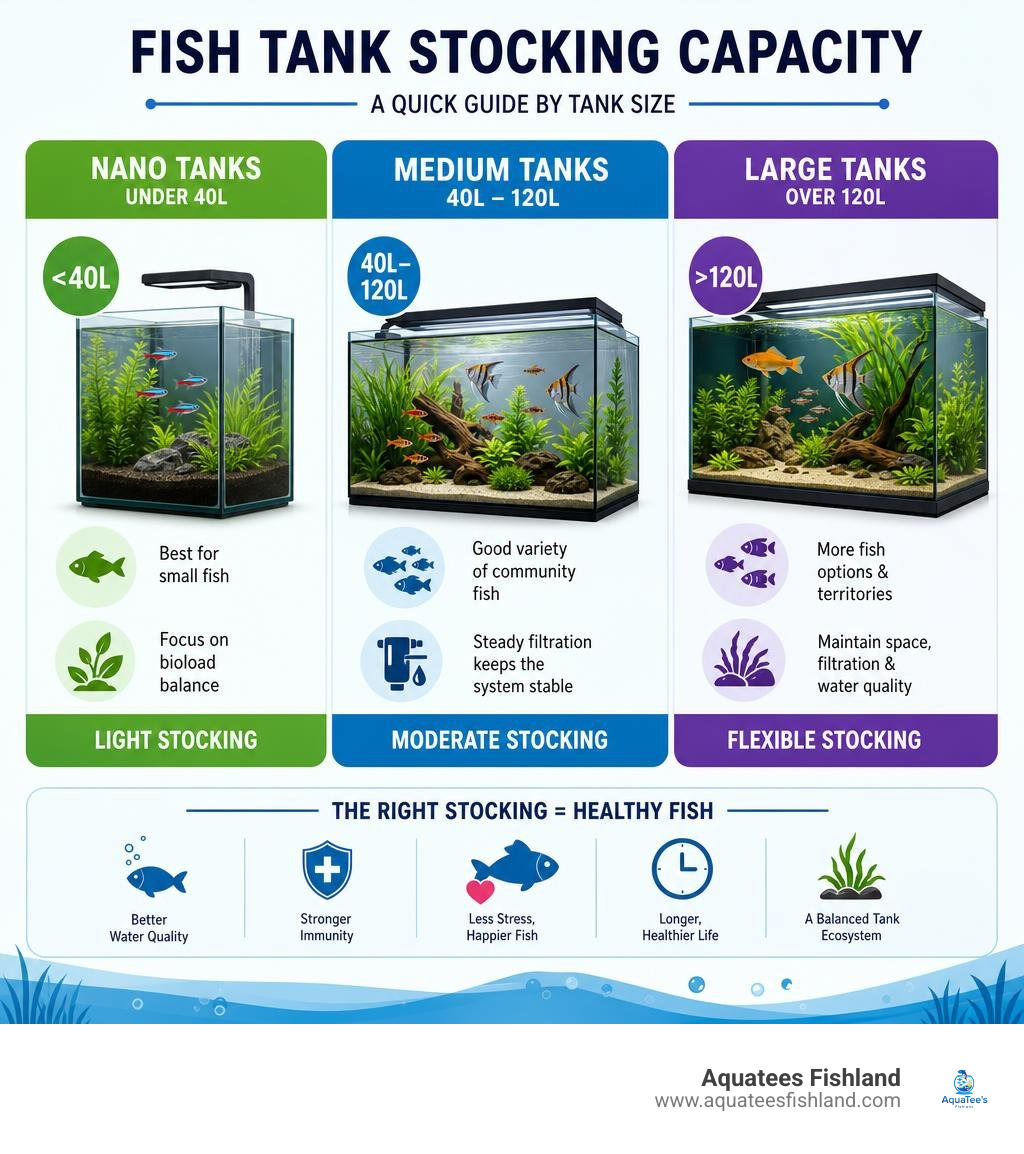
Calculating the safe carrying capacity of an aquarium requires looking at the biological load of your fish rather than just their physical length. The traditional "one inch of fish per gallon" rule is a highly simplified guideline that often fails.
This rule fails because it does not account for the three-dimensional mass, metabolism, and waste production of different species. A ten-inch fish does not have the same environmental impact as ten one-inch fish.
Larger species have a significantly higher body mass and metabolic rate, meaning they produce exponentially more waste. For example, a single goldfish can excrete as much waste as ten neon tetras.
While a school of small tetras might thrive in a medium-sized setup, keeping larger species like goldfish or angelfish requires much more water volume per fish to dilute their waste.
The physical dimensions of your aquarium also play a critical role in its carrying capacity. Oxygen enters the water through the surface, meaning a shorter tank with a larger surface area can support a higher biological load than a tall, narrow tank of the exact same volume.
When planning your system, it is essential to research the adult size and specific space requirements of each species. For a detailed breakdown of how dimensions affect carrying capacity, refer to our Guide to Fish Tank Size.
Five Steps to Fix an Overcrowded Fish Tank
Resolving an overcrowded aquarium requires a systematic approach to lower the biological load and improve water stability. If your water testing reveals high nutrients or your fish are showing signs of stress, you can restore balance by following these five practical steps.
Step 1: Relocate Fish to an Upgraded Setup
The most effective, long-term solution for an overstocked aquarium is to relocate your fish to a larger or secondary tank setup. Upgrading the tank size increases the total water volume, which naturally dilutes metabolic waste and provides adequate swimming space for growing fish.
If you are looking for a reliable new system to house your expanding aquatic community, you can explore options in our guide to the Best Fish Tanks for Beginners.
If setting up a larger tank in your home is not possible, you may need to consider external rehoming options carefully.
You can speak with local, trusted hobbyist communities or aquarium clubs to find experienced keepers who have the space to care for your fish. Alternatively, contact your local aquarium store to see if they accept surrenders or trades.
Never release aquarium fish into local waterways, as this can introduce diseases and disrupt native ecosystems.
Step 2: Enhance Filtration and Water Chemistry
If you cannot immediately move your fish to a larger tank, you must upgrade your filtration system to handle the heavy biological load. Standard filters included with basic tank kits are rarely sufficient for heavily stocked setups.
A good rule of thumb for crowded tanks is to use a filtration system rated for at least double your actual aquarium volume. To manage high waste levels and keep your water safe, we recommend focusing on three main areas of filtration:
- Mechanical Filtration: Use fine filter pads, such as Dymax White Wool Sponges, to trap solid waste before it can break down into toxic ammonia.
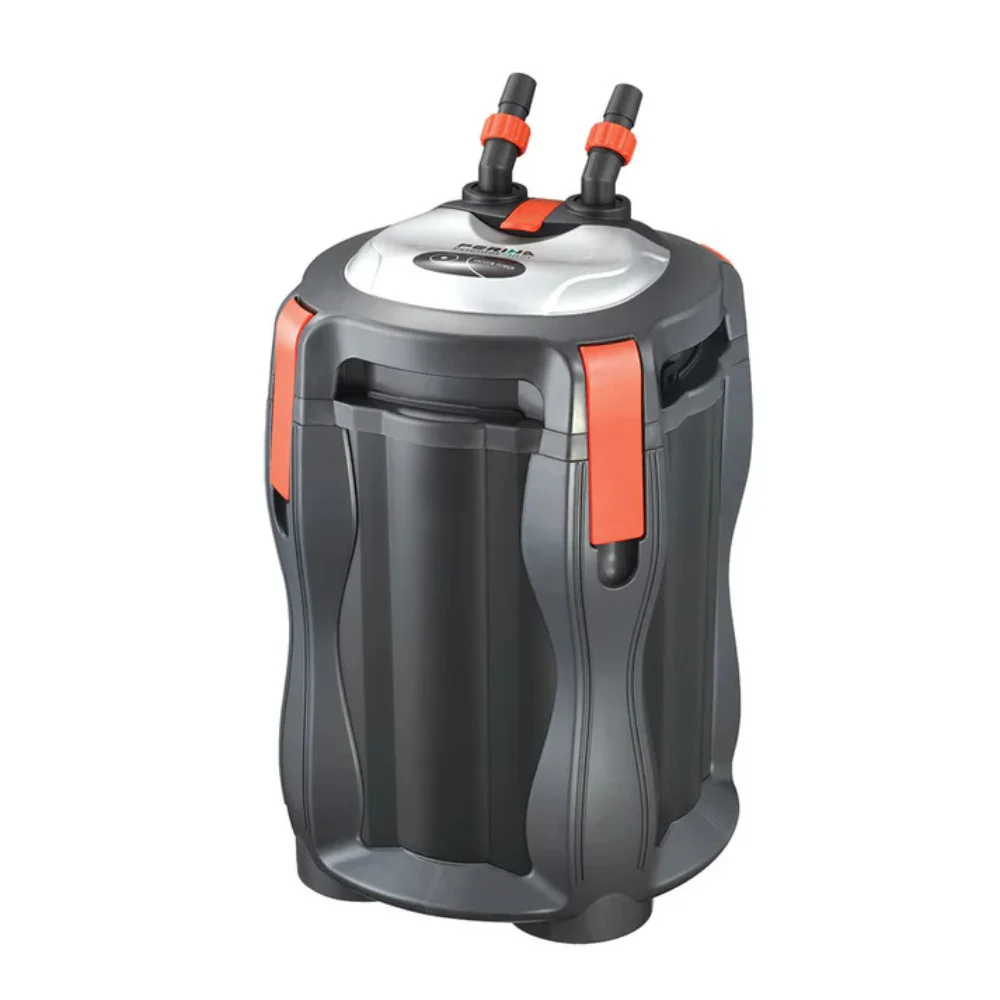
- Biological Filtration: Increase the surface area available for beneficial bacteria. Adding a biological media like Seachem Matrix inside a canister filter, such as the Periha EC Canister, will boost your tank's waste-processing capacity. For smaller setups or breeding tanks, installing an Aquatees Jumbo Sponge provides biological filtration and gentle water flow.
- Chemical Filtration and Water Treatment: Use specialised media like Seachem Purigen to remove organic waste before it turns into ammonia. During waste spikes, you can use Seachem Prime to temporarily detoxify ammonia and nitrite. To boost your biological filter, dose the tank with Seachem Stability to introduce active nitrifying bacteria.
To make sure your filtration upgrades are working, monitor your water parameters closely using a reliable liquid test kit, such as the Sera Ammonia Test Kit.
Step 3: Implement Strategic Maintenance and Feeding
Maintaining an overcrowded tank requires a strict maintenance schedule and careful feeding habits to prevent waste from building up. Regular water changes are essential to remove nitrate, which is the final byproduct of the nitrogen cycle.
In heavily stocked tanks, performing a 25 percent water change weekly is often necessary to keep nitrate levels below 20 ppm.
Adjusting your feeding routine is equally important. Overfeeding is a primary cause of water quality issues, as uneaten food quickly decays and pollutes the water.
To minimise waste, feed your fish small portions that they can completely consume within two minutes, and remove any leftover food immediately. For more detailed advice on establishing a healthy feeding schedule, see our guide on How Often to Feed Fish.
Step 4: Introduce Live Plants for Nutrient Export
Adding fast-growing live plants to your aquarium is an excellent, natural way to manage excess nutrients. Live plants act as secondary biological filters by directly absorbing ammonium, nitrates, and phosphates from the water to use as fertiliser.
This absorption helps control algae growth and prevents nitrate levels from climbing quickly.
Besides improving water chemistry, live plants naturally release oxygen into the water during the day, helping to counteract the low oxygen levels common in crowded tanks. Popular, hardy species like Vallisneria, Hornwort, and Hygrophila grow quickly and are highly effective at absorbing waste.
These plants also create natural visual barriers and physical partitions within the tank, which helps reduce territorial stress and aggression among fish by breaking their line of sight.
Step 5: Optimise Tank Layout and Swimming Space
The physical layout of your aquarium's decor can significantly impact how crowded the tank feels to your fish. Bulky, non-functional decorations like large plastic castles, artificial caves, and thick resin ornaments take up valuable water volume and restrict swimming space.
Removing these items increases the usable water volume and improves water circulation.
When arranging your hardscape, focus on creating structured, multi-level territories. Use thin pieces of driftwood, slate, or vertical rock formations to divide the tank into distinct zones.
This layout allows different species to occupy the top, middle, and bottom levels of the tank without constantly invading each other's space. Providing plenty of small, natural hiding spots using live plants and rocks will help submissive fish feel secure, reducing stress and preventing behavioral conflicts.
Frequently Asked Questions About an Overcrowded Fish Tank
What are the signs of an overcrowded fish tank?
The most common signs of an overcrowded fish tank are cloudy water, fish gasping for air at the surface, and elevated levels of ammonia, nitrite, or nitrate. You may also notice behavioral changes, such as increased aggression, fin nipping, or fish hiding constantly, alongside physical symptoms like frayed fins, slow growth, and frequent disease outbreaks.
How does overcrowding affect water quality?
Overcrowding increases the amount of organic waste in the water, which quickly overwhelms the beneficial bacteria in your biological filter. This imbalance leads to rapid spikes in toxic ammonia and nitrite levels, while causing nitrate to accumulate much faster than normal. Additionally, the high biological load consumes dissolved oxygen rapidly, especially at night, which can cause severe respiratory distress for your fish.
Can live plants help mitigate the effects of overstocking?
Yes, fast-growing live plants can help mitigate some effects of overstocking by absorbing nitrates and ammonium directly from the water column to use as nutrients. They also produce dissolved oxygen during the day and provide physical barriers that help reduce territorial stress among fish. However, while plants are an excellent supporting tool, they cannot replace the need for adequate tank space and proper filtration.
What is the safest way to rehome excess fish?
The safest way to rehome excess fish is to first try relocating them to another suitable tank in your home, or to contact local, experienced aquarium hobbyists and clubs who have the space to care for them. You can also ask your local aquarium store if they accept surrenders or trades. Never release aquarium fish into public ponds, lakes, or rivers, as this can devastate local ecosystems and spread diseases.
Managing an Overcrowded Fish Tank
Managing an overcrowded fish tank requires a careful balance between your aquarium's biological load and its filtration capacity. While upgrading your filtration, adding live plants, and keeping a strict maintenance routine can help stabilise a heavily stocked tank, providing adequate physical space remains the most reliable solution for the long-term health of your fish.
By understanding the biological limits of your setup and making informed decisions about stocking, you can prevent chronic stress and create a stable, thriving ecosystem. Regular monitoring of water parameters and proactive management are key to ensuring your aquatic community remains healthy and active.