

Feeding your pet fish a balanced, species-appropriate diet in controlled portions is one of the best ways to support long-term health and stable water quality.
As an experienced aquarist writing on behalf of Aquatees Fishland, Australia's specialist warehouse for aquarium supplies, I have seen how good feeding habits can improve aquarium stability. This guide explains what to feed your pet fish, how much to offer, when to use fresh or frozen foods, and how to avoid common overfeeding problems.
Uneaten food can break down into waste that affects ammonia, clarity, and algae levels, so sensible feeding is also part of good aquarium maintenance.
Key Takeaways
- Feed fish a species-appropriate diet based on whether they are mainly herbivores, carnivores, or omnivores.
- Offer only what your fish can finish within a few minutes to reduce waste and help protect water quality.
- Match food type to feeding behaviour: floating foods for surface feeders, slow-sinking granules for mid-water fish, and sinking wafers for bottom dwellers.
- Use fresh vegetables, frozen foods, or emergency household foods carefully, and remove uneaten food before it fouls the water.
- Plan holiday feeding conservatively; many healthy adult fish can safely miss short feeding periods.
My name is Nemo Sulaiman, and in this article I explain how to choose the right fish food, feed sensible portions, avoid common overfeeding problems, and keep your aquarium water healthy.
What to Feed Your Pet Fish by Species
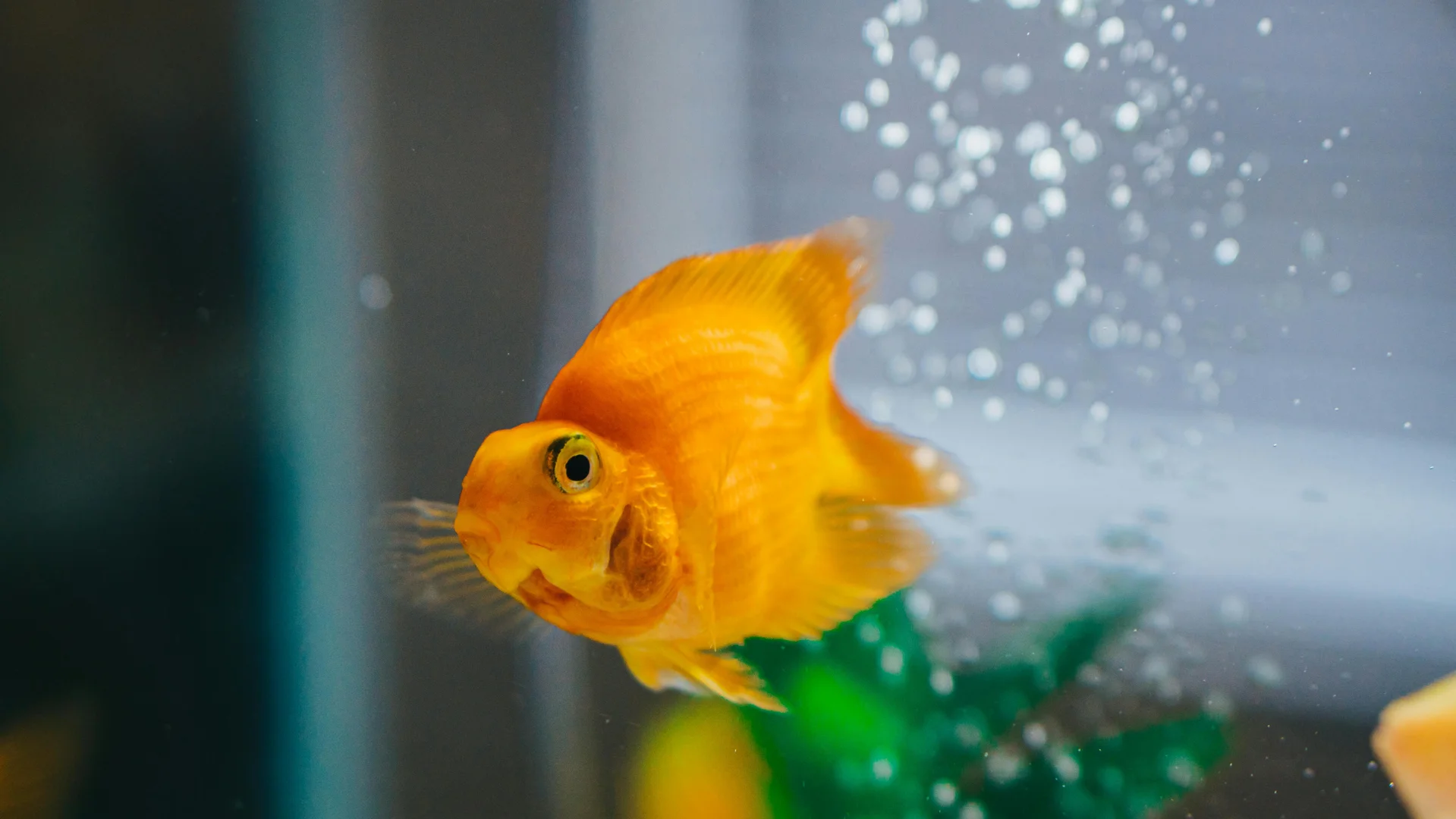
Aquarium fish generally fall into three feeding groups: herbivores, carnivores, and omnivores. Their diet, mouth shape, and position in the water column all influence the best food type.
- Herbivores do well with algae wafers, vegetable-based foods, and occasional blanched greens.
- Carnivores need protein-rich foods such as specialist pellets, frozen foods, or freeze-dried treats.
- Omnivores usually suit quality flakes, granules, pellets, and occasional fresh or frozen supplements.
A fish's mouth shape can also guide feeding. Surface feeders such as bettas often take floating foods, mid-water fish such as tetras catch food as it drifts, and bottom dwellers such as Corydoras or loaches need sinking foods.
For detailed insights, refer to the Complete Fish Feeding Guide on Pet Meal Guide or the PetMD Guide to Feeding Pet Fish.
| Fish Type | Best Food Options | Feeding Notes |
|---|---|---|
| Herbivores | Algae wafers, veggie clips, greens | Remove uneaten vegetables within 24 hours |
| Carnivores | Protein pellets, frozen or freeze-dried foods | Use treats as supplements, not the whole diet |
| Omnivores | Flakes, granules, pellets, mixed supplements | Most community fish fall into this group |
What Do Goldfish and Koi Eat?
Goldfish and koi are cold-water omnivores that usually need food designed for their digestive style and water temperature. Fancy goldfish often do better with sinking granules than floating flakes because this may reduce surface gulping.
For pond fish, feeding should slow as water temperatures drop. When water is very cold, koi and pond goldfish digest food poorly, so feeding is usually reduced or stopped until conditions improve. For daily nutrition, Aquatees Staple Deluxe Goldfish & Tropical Fish Food Granules offers a balanced option, while Aquatees Premium Pond Sticks Koi & Pond Fish Food Diet suits pond setups.
What Do Tropical Fish and Bettas Need?
Tropical community fish such as tetras, guppies, and rasboras are often omnivorous and suit quality flakes, micro-pellets, or slow-sinking granules. Bettas are more carnivorous and usually need a higher-protein betta food in small portions.
Dry food can lose freshness after opening, especially in humid conditions, so store it sealed in a cool, dry place and replace it if it smells stale or clumps. To support vibrant colouration, try Aquatees Premium Tropical & Cichlid Colour Enhancing Fish Food as a daily staple.
How Do You Feed Bottom Dwellers and Algae Eaters?
Bottom-dwelling fish such as Corydoras catfish and loaches should not rely only on leftovers. Surface and mid-water fish often eat food before enough reaches the substrate.
Algae-eating species such as Bristlenose Plecos also need targeted feeding with sinking wafers and suitable vegetables. Some plecos benefit from natural wood in the aquarium. For herbivorous bottom dwellers, Hikari Algae Wafers are a practical sinking option.
How Much and How Often Should You Feed Your Fish?
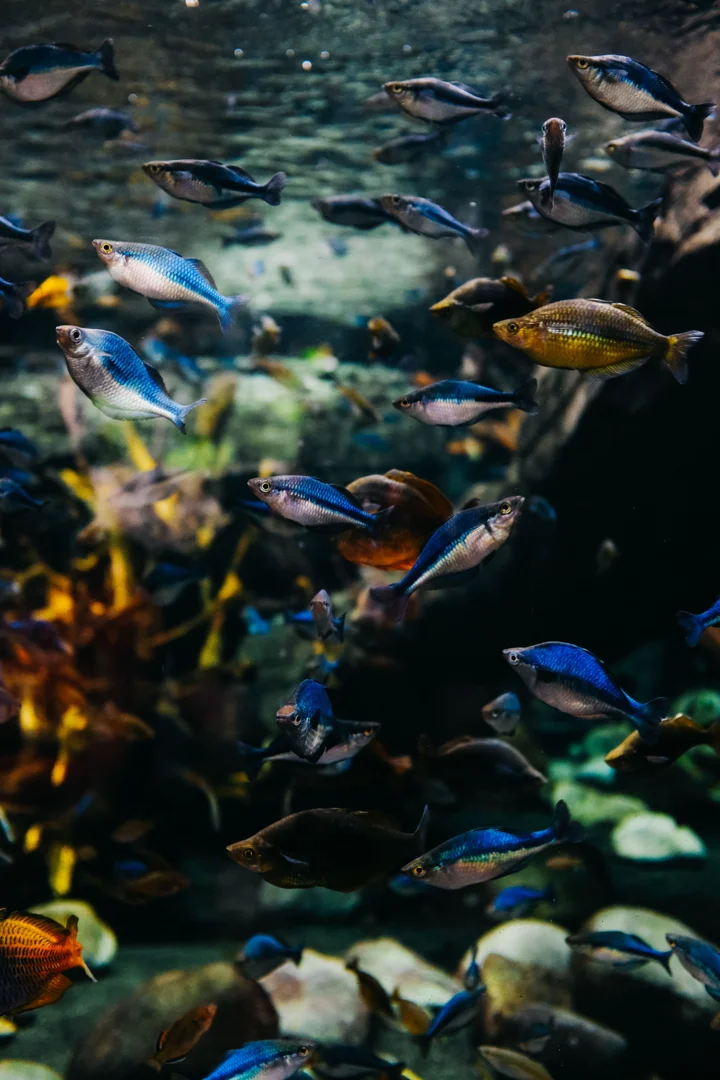
Overfeeding is a common cause of cloudy water, algae growth, and poor water quality. Many fish will keep begging even when they have already eaten, so portion control matters.
As a simple guide, feed only what your fish can finish in about 2 to 5 minutes, or slightly less for small community tanks. Remove uneaten food before it settles into the gravel. Most adult fish do well with one or two small feeds per day, while juveniles may need smaller meals more often. Some adult fish can also benefit from an occasional fasting day. For detailed scheduling tips, read How Often to Feed Fish.
What Are the Warning Signs of Overfeeding and Poor Nutrition?
Overfeeding can leave visible clues in both fish behaviour and water quality. Watch for cloudy water, uneaten food, sudden algae growth, or rising ammonia readings.
Common warning signs include:
- Possible overfeeding: bloating, stringy faeces, lethargy, or buoyancy problems.
- Possible poor nutrition: faded colouration, poor growth, fin issues, or a hollow-bellied appearance.
If you suspect water quality problems, test ammonia and other parameters promptly. A Sera Ammonium/Ammonia Test Kit can help monitor waste levels.
How Do You Maintain Water Quality When Feeding?
To keep your aquarium cleaner, siphon or net out uneaten food after feeding. Fine particles can clog filter media and add to the tank's waste load.
Good filtration also helps. Mechanical media such as Dymax White Wool Sponges can trap fine particles, while beneficial bacteria products such as Seachem Stability may support biological filtration during maintenance. In an overfeeding emergency, products such as Aquaripacks Zeolite or Dymax Anti-Ammonia Rock can help manage ammonia while you correct the cause.
How Do You Manage Feeding Needs While on Holiday?
Many healthy adult aquarium fish can miss a few days of food more safely than they can tolerate a tank being overfed by mistake. Pond fish in established systems may graze on natural algae and biofilm for longer periods, depending on the season and stocking level.
For short trips, conservative feeding is usually safer than using dissolving holiday blocks. For longer trips, test an automatic feeder several days before leaving and set it to dispense small portions. Do a partial water change before you go, but avoid major last-minute changes that could disturb the aquarium.
What Safe Alternative Foods Can You Feed in an Emergency?
If you temporarily run out of commercial fish food, some plain household foods can be used briefly. Keep portions tiny and avoid oils, salt, sauces, or seasoning.
For herbivorous and omnivorous fish, options include:
- Blanched leafy greens: spinach, romaine lettuce, or kale.
- Shelled green peas: useful as a soft, fibre-rich food.
- Par-boiled zucchini or cucumber: sliced thinly and removed after feeding.
For carnivorous fish, temporary options include:
- Unsalted cooked prawn: finely minced into bite-sized pieces.
- Hard-boiled egg yolk: used very sparingly because it clouds water quickly.
- Clean earthworms: only from pesticide-free soil and chopped finely.
Avoid bread, crackers, and processed meats, as these foods are not suitable for fish digestion and can pollute the water. For more details, read the RSPCA's Guide on What to Feed Pet Fish or our article on Aquarium Fish Food.
How Do You Safely Prepare and Serve Fresh Vegetables?
Wash vegetables thoroughly and peel them if needed. Hard vegetables such as zucchini, cucumber, broccoli, and carrots are best blanched until slightly soft, then cooled before feeding. Peas should be boiled, shelled, and lightly crushed.
Use a veggie clip or feeding dish to keep vegetables in place, and remove uneaten pieces within 24 hours so they do not decay in the tank.
How Should You Prepare and Serve Frozen or Live Foods?
Frozen foods such as bloodworms, brine shrimp, and daphnia can be useful protein-rich supplements once or twice a week, depending on the species. They should complement a complete diet rather than replace it.
For cleaner feeding, thaw frozen food in a small cup of tank water, strain it through a fine net, and then add the rinsed food to the aquarium. This helps reduce excess packing liquid and loose particles entering the tank.
Frequently Asked Questions About Feeding Pet Fish
My fish are always begging for food at the front glass. Does this mean they are starving?
No. Many fish learn to associate people with feeding and will beg even when they do not need food. Stick to a routine and judge feeding by body condition, water quality, and uneaten food rather than begging behaviour.
Can I feed my fish once every second day instead of daily?
Yes, many healthy adult fish in established aquariums can be fed every second day. This can reduce waste, but it may not suit young, underweight, breeding, or very active species.
Why is my fish swimming upside down or struggling to stay submerged after eating?
Buoyancy issues can have several causes, including constipation, gulping air, poor diet, or disease. If it happens after feeding, try smaller portions, sinking foods, and occasional shelled peas for suitable species. Seek specialist advice if symptoms persist.
Do bottom-feeding fish like Corydoras and loaches clean up all the waste in the tank?
No. Bottom feeders may eat some leftover food, but they do not eat fish waste and still need their own sinking diet. They also add to the aquarium's bioload, so gravel vacuuming and water changes remain important.
What should I do if I accidentally dump too much food into my aquarium?
Remove as much food as possible with a net or siphon, then test the water and consider a partial water change. If ammonia or nitrite rises, use an appropriate conditioner such as Aquavitro Alpha and keep testing over the next 24 to 48 hours.
Choosing the Right Nutrition for a Thriving Aquarium
The best fish diet depends on species, feeding behaviour, age, and tank conditions. When you match food type to your fish and keep portions modest, you reduce waste while supporting healthy colouration, growth, and activity.
For beginners setting up their first aquarium, our Best Pet Fish Beginners Guide 2026 covers the wider basics of choosing and caring for fish. When you are ready to source nutrition, filtration, or water treatments, Aquatees Fishland can help with:
Conclusion on What to Feed Your Pet Fish
Understanding what to feed your pet fish comes down to three essentials: choose species-appropriate food, feed small portions, and remove waste before it affects water quality. With consistent feeding habits, careful use of fresh or frozen foods, and regular water testing, you can keep your aquarium cleaner, more stable, and healthier for the long term.