

Why Choosing the Right Beginner Fish Tank Matters More Than You Think
Finding good fish tanks for beginners comes down to a few key decisions: the right size, the right equipment, and understanding what your fish actually need to thrive. Here is a quick summary to help you get started:
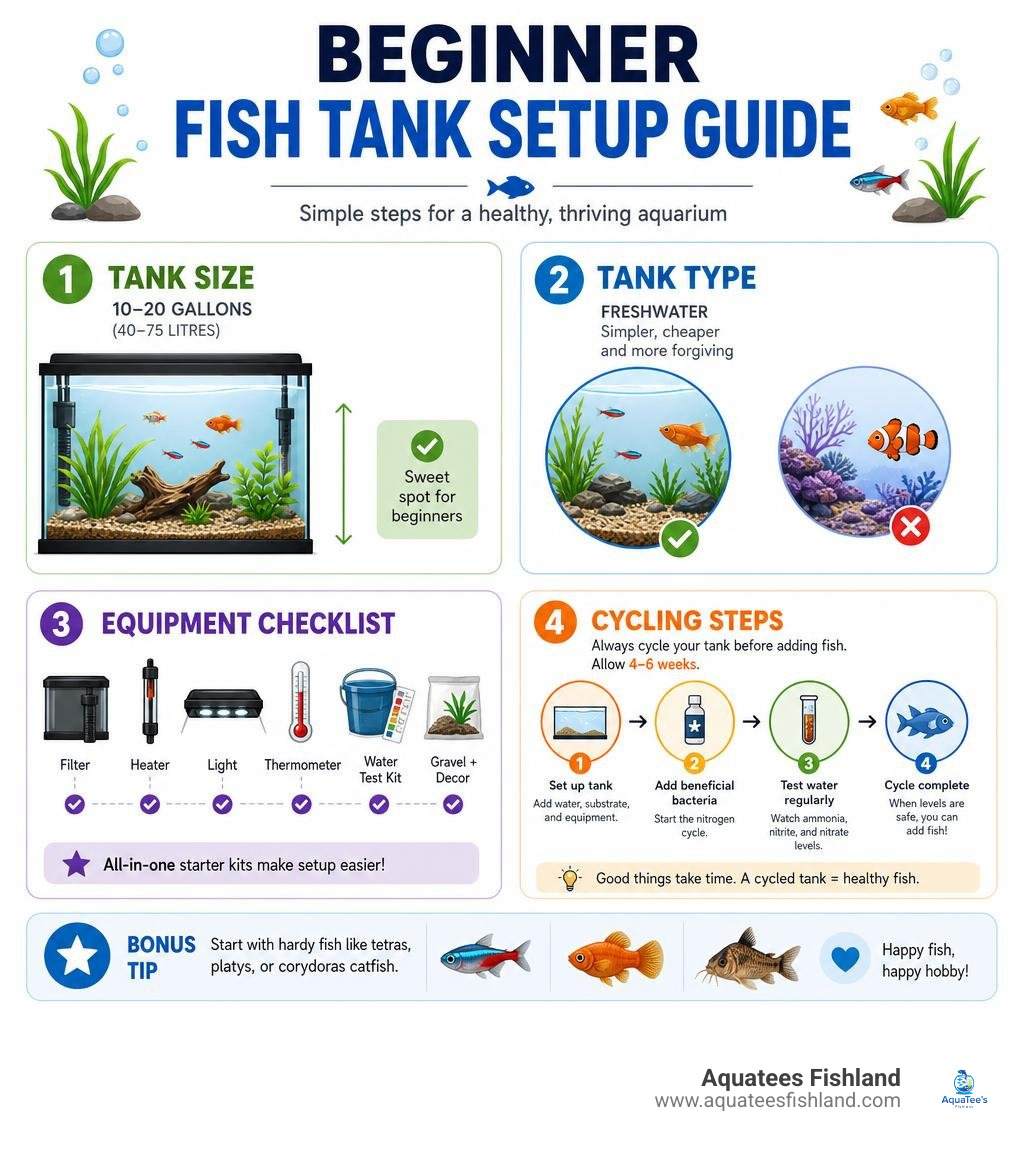
- Tank size: 10-20 gallons (roughly 40-75 litres) is the sweet spot for beginners.
- Tank type: Freshwater is simpler, cheaper, and more forgiving than saltwater.
- Setup style: All-in-one starter kits are a great way to reduce confusion and cost.
- Cycling: Always cycle your tank before adding fish (allow 4-6 weeks, or speed it up with beneficial bacteria).
- Fish selection: Start with hardy species like tetras, platys, or corydoras catfish.
There is a reason aquariums have a way of pulling people in. Walk past one and it is almost impossible not to stop and stare. That curiosity is exactly how lifelong fishkeepers get their start, and with the right setup from day one, the experience stays enjoyable rather than turning into a frustrating cycle of problems.
The good news is that getting started does not have to be complicated. Bigger tanks are actually more forgiving, water chemistry is easier to manage than most people expect, and there are solid all-in-one kits that take the guesswork out of equipment selection.
I'm Naim Ibn Nahshid from Aquatees Fishland, and having worked hands-on across a wide range of aquarium products and helped countless customers troubleshoot their setups, I have seen what makes or breaks a beginner's experience with good fish tanks for beginners. In the sections below, I will walk you through everything you need to know to choose the right tank and set it up with confidence.
Essential Guide to Good Fish Tanks for Beginners
Choosing an aquarium setup involves balancing several physical and biological factors to create a stable environment. When looking for good fish tanks for beginners, you need to evaluate water volume, construction material, weight limits, and home placement before purchasing any livestock.
Managing these details early on prevents common issues like structural failures, rapid water chemistry fluctuations, or electrical hazards.
Why Size and Shape Matter for Good Fish Tanks for Beginners

An ideal beginner aquarium typically holds between 10 and 20 gallons, which is approximately 40 to 75 litres of water. While a smaller 5-gallon desktop tank might seem easier to manage, smaller water volumes are highly sensitive to rapid chemical and temperature fluctuations. In a larger tank, organic waste is diluted over a greater volume, giving you a wider margin of error to correct issues before they become hazardous to your fish.
For many Australian households, a 60-litre tank is considered the practical sweet spot. A popular standard in this category is the Juwel Primo 60, which has become a top seller due to its reliable build quality and integrated equipment. To understand how different dimensions fit into your home, you can read our detailed Guide to Fish Tank Size.
Tank shape also plays a vital role in biological stability. Long, wide tanks generally provide a larger water surface area, which improves oxygen exchange and allows for a higher stocking capacity. Conversely, tall and narrow tanks restrict gas exchange and limit swimming space for active fish.
You must also consider material and weight. Glass is highly scratch-resistant, durable, and cost-effective, but it is heavy and fragile. Acrylic is lighter and more impact-resistant, but it scratches easily and requires a specialised stand that supports the entire flat bottom of the tank rather than just the corners.
Because a fully set up aquarium weighs about 1.2 kg per litre, a 60-litre tank will weigh around 70 to 80 kg once substrate, rocks, and water are added. You must place your aquarium on a level, structurally sound stand, away from direct sunlight (which causes excessive algae growth), drafts, and high-traffic doors.
Additionally, because aquariums involve both water and electricity, proper cord management is essential. Always use drip loops on all electrical cords to prevent water from travelling down the cord into your wall outlets.
Freshwater vs. Saltwater: Which is Best for Beginners?
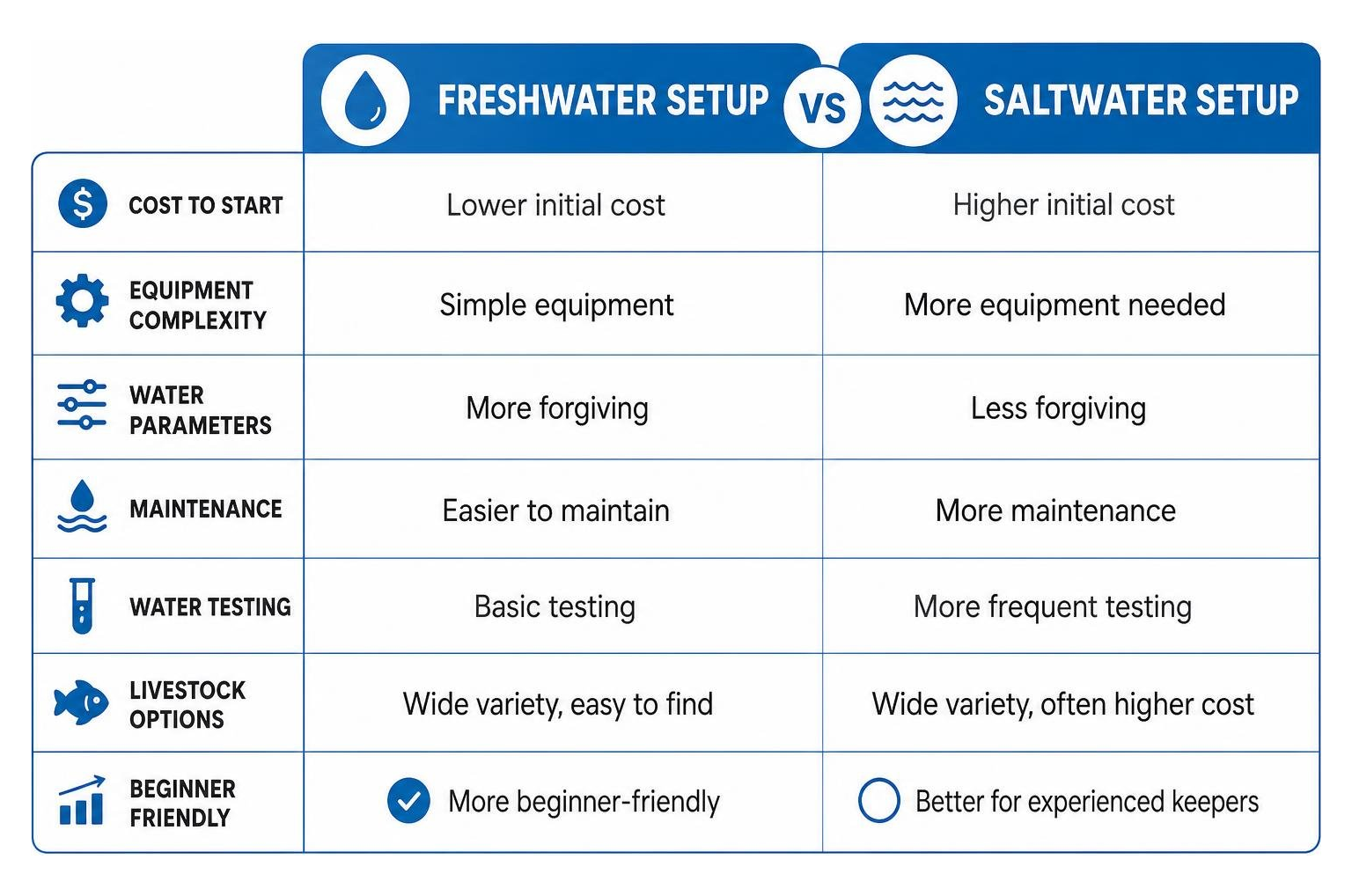
Freshwater aquariums are generally the most practical choice for beginners because they are less expensive, easier to maintain, and highly forgiving. Saltwater systems are beautiful, but they require precise salinity management. As water evaporates from a marine tank, the salt remains behind, causing the salinity levels to rise rapidly. This requires regular top-offs with fresh, dechlorinated water to prevent stress on your livestock.
In marine systems, heat, evaporation, and salinity swings make your filtration system work much harder. If you are interested in starting a freshwater setup, you can learn the basics in our guide on Starting a Freshwater Aquarium.
- Initial Setup Cost: Freshwater is generally low to moderate, while saltwater is high and requires specialised lighting, salt, and live rock.
- Maintenance Difficulty: Freshwater is low with weekly 10-20% water changes, while saltwater is high and requires regular salinity and chemistry tracking.
- Water Stability: Freshwater has a high tolerance for minor errors, while saltwater has low tolerance where small changes can impact delicate corals and fish.
- Equipment Complexity: Freshwater is minimal with a basic filter, heater, and light, while saltwater is complex and requires protein skimmers, wavemakers, and RO/DI water.
- Livestock Hardiness: Freshwater species are very hardy and adaptable, while saltwater species are often sensitive to parameter shifts.
While turn-key marine options have made entry-level saltwater keeping more accessible, freshwater remains the recommended starting point for most first-time hobbyists.
Essential Equipment and Starter Kits vs. Custom Components
To set up a functional aquarium, you need three core pieces of equipment: a reliable filtration system, a preset heater, and appropriate lighting.
- Filtration: Your filter is the life-support system of the tank. It provides mechanical filtration (removing physical debris) and biological filtration (housing beneficial bacteria). For beginner setups, simple hang-on-back (HOB) filters or internal power filters are common, while larger systems benefit from external options like the Periha EC Canister Filter.
- Heating: Tropical fish generally require a stable water temperature of 24 to 28 degrees Celsius. A submersible heater with a built-in thermostat is essential for maintaining this stability.
- Lighting: Standard LED lighting is sufficient for viewing your fish and supporting low-light live plants.
For absolute beginners, boxed starter kits are highly practical. Buying a complete kit typically costs significantly less than purchasing individual components separately, saving you between $30 and $60 on a standard 10-gallon setup.
Excellent beginner-friendly options include standard all-in-one starter kits that come pre-packaged with essential components. You can also find a wide range of starter options through local aquarium suppliers.
However, kits sometimes omit crucial accessories such as substrates, water conditioners, and water testing supplies. For a complete breakdown of what you need, check out our guide on Fish Tanks Aquarium Setup.
Selecting the Right Fish and Avoiding Common Mistakes
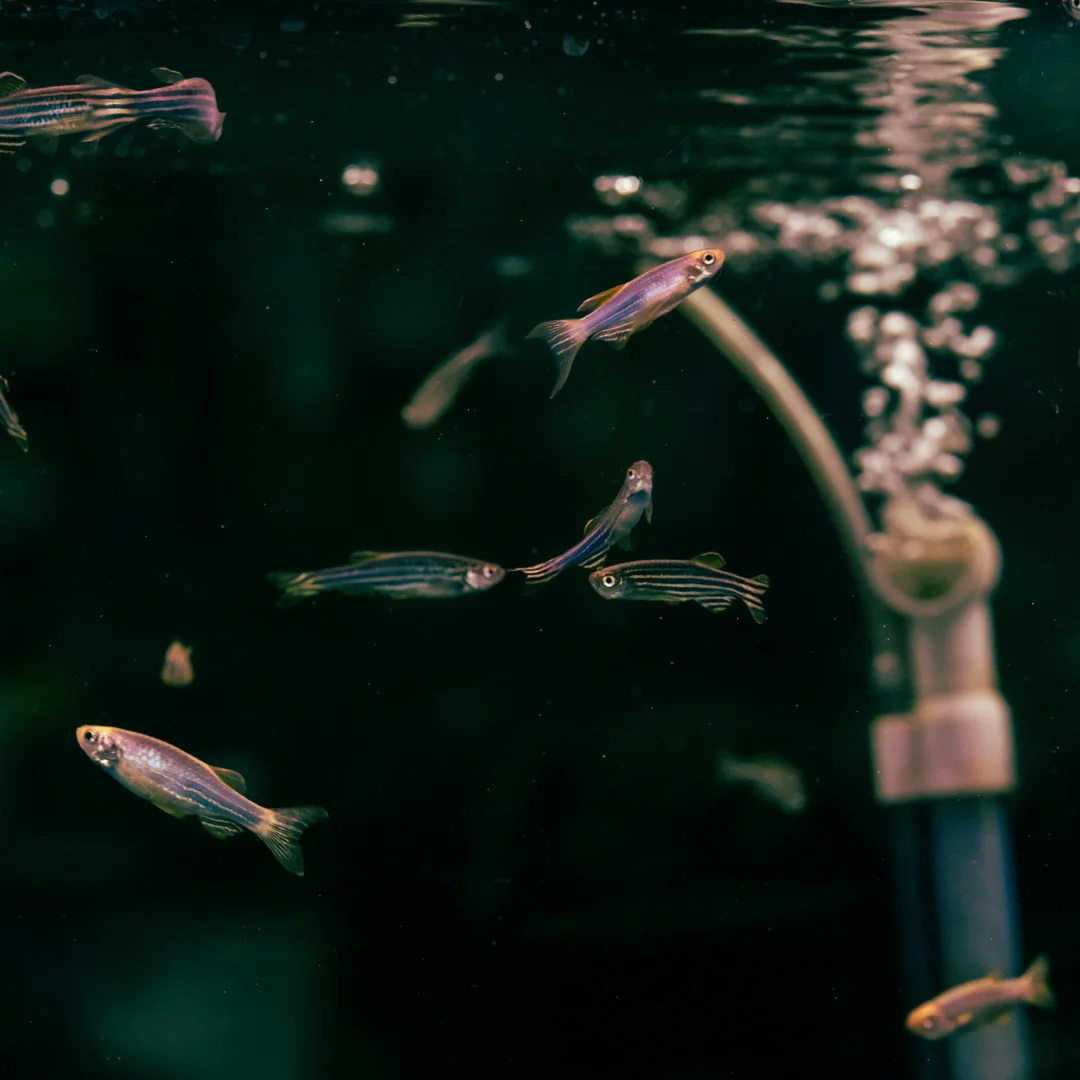
Selecting compatible, hardy fish species is one of the most important decisions for a new fishkeeper. Beginners should look for active, peaceful species that can tolerate minor variations in water quality. Excellent choices include neon tetras, platys, zebra danios, harlequin rasboras, and corydoras catfish.
If you are in Australia, you can explore the Best Fish for Beginners to find species suited to local water conditions. Adding easy-to-grow live plants like Java Fern or Anubias also helps absorb excess nutrients and provides hiding spaces. For plant advice, you can research easy-to-grow species that thrive in low-light conditions.
There are several common mistakes that beginners should avoid:
- Overstocking: Adding too many fish too quickly overloads the biological filter, leading to toxic ammonia spikes.
- Overfeeding: Fish should only be fed what they can completely consume within two to three minutes. Excess food decays and ruins water quality.
- The "Same-Day" Purchase: Never buy your fish on the same day you purchase your tank. The aquarium must be fully set up and cycled first.
For a comprehensive list of suitable species, refer to our Best Pet Fish Beginners Guide 2026.
How to Cycle Your New Tank and Maintain Water Quality
Before adding any fish to your new aquarium, you must establish a biological filter through a process known as "cycling" the tank. This process allows beneficial nitrifying bacteria to colonise your filter media. These bacteria convert toxic ammonia (from fish waste and decaying food) into nitrite, and then into less harmful nitrate. This aquarium process is part of the broader nitrogen cycle, which explains how nitrogen compounds are converted by bacteria and other natural processes.
Naturally cycling a tank can take four to six weeks. However, you can safely speed up this process by adding live nitrifying bacteria, such as Seachem Stability or concentrated bacterial cultures. To ensure the bacteria survive, always treat tap water with a quality water conditioner like Seachem Prime to remove chlorine and chloramines before adding it to your tank.
To monitor this process, you must use a reliable testing kit, such as the Sera Ammonia Test Kit, to ensure ammonia and nitrite levels remain at zero. Once your tank is cycled, perform weekly 10% to 20% water changes using temperature-matched, dechlorinated water to keep nitrate levels low. For more detail on avoiding setup pitfalls, read our guide on Beginner Aquarium Mistakes.
Frequently Asked Questions About Aquarium Setups
What is the best beginner tank size?
A tank holding 10 to 20 gallons (roughly 40 to 75 litres) is generally considered the best size for beginners because this volume is large enough to dilute organic waste and buffer against rapid temperature or chemical changes.
How do I fix cloudy aquarium water?
Cloudy water in a newly set up tank is typically caused by a harmless bacterial bloom as the ecosystem establishes itself, which generally resolves on its own within a few days.
Are goldfish good for beginners?
Goldfish are generally not suited for small starter aquariums because they produce a large amount of waste and grow much larger than expected.
How long does it take to cycle a new fish tank?
A natural aquarium cycle typically takes four to six weeks to complete, though you can reduce this timeline by using high-quality water conditioners and dosing the tank with live beneficial nitrifying bacteria.
Where to Buy Good Fish Tanks for Beginners in Australia
If you are ready to start your fishkeeping journey, Aquatees Fishland is your dedicated aquarium partner in Australia. We specialise in offering reliable aquarium supplies, fish tank sets, and essential maintenance products to help you set up a thriving underwater environment.
Whether you need a complete starter kit or individual components like high-efficiency filters, water conditioners, or energy-saving LED lighting, we provide reliable solutions at highly competitive prices.
Explore our collections online today to find everything you need to start your new hobby:
- Browse Our Premium Fish Tanks
- Explore High-Quality Water Filters
- Shop Essential Aquarium Care Products
Key Takeaways for Choosing Good Fish Tanks for Beginners
Setting up your first aquarium relies on choosing the right equipment and understanding the biological needs of your aquatic environment. By selecting a tank in the 40 to 75 litre range, you provide a stable volume of water that naturally buffers against sudden chemical and temperature shifts.
Prioritising a proper nitrogen cycle before introducing any livestock ensures a safe, non-toxic habitat for your fish. Equipping your system with a reliable filter, heater, and appropriate lighting will establish a balanced ecosystem that is easy to maintain over the long term.
Focusing on these fundamental setup steps prevents the most common beginner pitfalls and creates a healthy environment where your aquatic life can thrive. With the right foundation, your new aquarium will remain a source of enjoyment and discovery for years to come.