

Why What You Buy for Your Fish Tank Matters More Than How Much You Buy
Walking into an aquarium shop or browsing online can feel incredibly overwhelming. You are instantly confronted with hundreds of products—dozens of filter types, rows of colorful additives, various substrates, and gadgets you didn't even know existed. It is easy to think that a healthy aquarium requires buying one of everything on the shelf.
But here is the honest truth we share with customers every day at Aquatees Fishland: more equipment does not automatically create a healthier aquarium. In fact, overcomplicating your setup with unnecessary accessories often makes it harder to maintain. A simple, high-quality setup with the correct core components will always outperform a crowded tank full of mismatched gear.
I'm Naim Ibn Nahshid. Through my years in eCommerce and customer support at Aquatees Fishland, I have helped thousands of Australian fishkeepers cut through the marketing noise. Think of your aquarium like a small kitchen. The tank is the room, the filter is the sink, the heater is the stove, and the test kit is your smoke alarm. If these main parts work properly, the whole system is easy to manage.
Whether you are setting up a simple coldwater home tank, a lush planted aquascape, or a complex marine system, a calm, practical shopping list will save you money and prevent early water-quality disasters.
The Essentials vs. Nice-to-Have Upgrades
To keep your budget in check, it helps to separate what your fish absolutely need to survive from the upgrades you can buy later.
| Essential Supplies (Must-Haves) | Nice-to-Have Upgrades (Buy Later) |
|---|---|
| Correctly Sized Tank (suited to your space and livestock) | CO2 Injection System (for advanced plant growth) |
| Reliable Filter (matched to tank volume and waste load) | Auto-Feeder (convenient for holidays) |
| Substrate (gravel, sand, or aqua soil) | Air Pump & Bubbler (mostly decorative, unless extra aeration is needed) |
| Water Conditioner (dechlorinator like Seachem Prime) | UV Steriliser (helps control green water and pathogens) |
| Water Test Kit (liquid kit for ammonia, nitrite, nitrate, pH) | Smart Wi-Fi Controllers (for automated lighting and heating) |
| High-Quality Food (matched to your specific fish species) | Aquascaping Tools (specialised tweezers and curved scissors) |
| Heater & Thermometer (essential for tropical/marine setups) | Cabinet/Dedicated Stand (essential if you don't have a reinforced surface) |
Essential Factors to Consider When You Buy Fish Tank Supplies
To get the best value for your money, you need to match every item to a clear job in the aquarium. Based on our hands-on experience helping local hobbyists, we recommend focusing on these five core buying factors:
- Water Volume and Stability: Larger tanks are actually easier for beginners. A 100-litre tank provides a buffer; if something goes wrong, the water chemistry and temperature change slowly. In a tiny 20-litre desktop tank, a small mistake can ruin the water quality in hours.
- Filtration Capacity: Don't just look at the tank size on the filter box. Look at the Litres per Hour (L/H) rating. A good rule of thumb is a filter that turns over your tank volume 4 to 6 times per hour. Messy fish like goldfish or cichlids need even stronger filtration.
- Temperature Control: For tropical setups, you generally need 1 watt of heater power per litre of water. In colder parts of Australia, or if your home gets chilly in winter, you may want to step up to a slightly higher wattage or use two smaller heaters for safety.
- Substrate Purpose: Gravel is incredibly easy to vacuum and great for beginners. Sand looks beautiful and suits bottom-dwellers, but requires a gentle touch during cleaning. Aqua soil is packed with nutrients for heavy-rooting plants but can alter your water chemistry initially.
- Water Treatment and Biological Starters: Tap water contains chlorine and chloramines that will kill your fish and your beneficial bacteria. A high-quality water conditioner like Seachem Prime or Aquavitro Alpha is non-negotiable. Pair this with a trusted bacteria starter like Seachem Stability, FritzZyme 7, or FritzZyme 9 to help safely establish your biological filter.
Five Pre-Purchase Questions to Ask Yourself
Before tapping your card at the checkout, ask yourself these five practical questions:
- How much physical space do I have, and can the floor/furniture support the weight? (Remember, water weighs 1kg per litre, plus the heavy glass and gravel).
- Am I setting up a coldwater, tropical, planted, or marine system? (This dictates whether you need a heater, specialised marine salt, or high-intensity lighting).
- How much time can I realistically commit to weekly maintenance? (If you only have 20 minutes a week, keep the setup simple with low-light plants and a light fish load).
- Does this filter flow rate match my fish's natural habitat? (A fighter fish/betta will struggle in a high-flow filter, whereas river-dwelling fish love a strong current).
- Have I factored in the cycling process, or am I expecting to buy fish today? (Always buy your hardware first and let the tank cycle before adding livestock).
Common Buying Mistakes to Avoid
- The Beginner Mistake: Buying the "All-in-One" Kit Blindly. While convenient, some cheap kits include underpowered filters or lights that aren't strong enough to grow basic plants. Always check the individual component specs.
- The Experienced Mistake: Chasing "Perfect" Chemistry Numbers. Experienced keepers sometimes buy endless chemical buffers to hit an exact pH. In reality, most tank-bred fish prefer stability over a "perfect" number. Constantly adding chemicals creates dangerous swings.
- The Food Trap: Buying Giant Tubs of Food. Fish food loses its nutritional value and vitamins within a few months of opening. Buy smaller containers of high-quality brands like Hikari or Dymax so the food stays fresh and nutritious.
Expert Tips from the Aquatees Fishland Team
- Rinse, but never scrub: When cleaning your filter media, only rinse it in a bucket of dirty tank water you've just siphoned out. Running it under tap water kills the beneficial bacteria—which is like firing your cleaning crew and expecting the office to stay clean.
- Invest in a separate thermometer: Never rely solely on the dial on your heater. A cheap, stick-on or digital thermometer placed on the opposite side of the tank is the only way to verify your water is actually at the right temperature.
- Patience saves money: The nitrogen cycle is a natural process where beneficial bacteria convert toxic ammonia (from fish waste) into nitrite, and then into less harmful nitrate. Skipping this step and rushing to add fish is the number one cause of cloudy water and lost livestock.
If you are choosing substrate, food, treatment products, and general equipment while you buy fish supplies, keep the whole system in mind. Supplies work best when the tank, filter, heater, water treatment, test kit, and maintenance routine support each other. If you want a simple starting point, our guide to the best fish tanks for beginners can help narrow the options. For heating specifics, you can read our guide to choosing the best heater for fish tank systems, or use our fish tanks aquarium setup guide if you are planning the full layout.
FAQ About Buying Fish Tank Supplies
What are the differences between coldwater, tropical, and marine aquariums?
Coldwater, tropical, and marine aquariums differ mainly by temperature control, water chemistry, and equipment needs. Coldwater tanks (like those for goldfish) do not need a heater. Tropical tanks require a reliable heater to keep water between 24°C and 26°C.
Marine (saltwater) setups are the most complex, requiring saltwater-specific supplies such as marine salt mixes, a hydrometer or refractometer to test salinity, and highly efficient filtration. Because freshwater evaporates but salt stays behind, marine keepers must regularly top up the tank with fresh dechlorinated water to prevent salinity spikes.
How do I safely cycle a new tank and prevent cloudy water?
To cycle a tank safely, set up all your hardware, fill it with water treated with a quality water conditioner, and run the filter continuously. Add a source of ammonia (like a pinch of fish food) along with a biological starter like Seachem Stability or FritzZyme to seed the beneficial bacteria.
Use a liquid test kit to monitor ammonia and nitrite levels. Once both drop to zero and you detect nitrates, your tank is cycled. Cloudy water during the first week is usually a harmless bacterial bloom. Do not panic, do not change all the water, and do not replace your filter media—simply let the system find its natural balance.
What is the difference between liquid test kits and test strips?
While paper test strips are quick and convenient for a glance, they can easily absorb moisture from the air and give inaccurate readings. Liquid test kits (like the API Freshwater Master Test Kit) are far more accurate, cost-effective over time, and give you precise measurements of ammonia, nitrite, nitrate, and pH, which are crucial during the cycling phase.
Can I use garden soil or beach sand in my aquarium?
We strongly advise against this. Beach sand often contains crushed shells that will drastically raise your water hardness and pH, and it may carry pollutants or salt. Garden soil often contains fertilisers, pesticides, and organic matter that will rot, causing massive ammonia spikes. It is always safer to buy pre-washed, aquarium-safe substrates designed specifically for closed aquatic systems.
What should I do if my tank no longer suits my fish?
If your fish have outgrown their tank or the setup is no longer manageable, you have options. You can upgrade to a larger tank, increase your filtration, or rehome the fish. Many local Australian aquarium communities, trusted hobbyist groups, or specialist stores can help you safely surrender or trade fish to ensure they go to a suitable home.
Conclusion: Buy Fish Tank Supplies With a Stable System in Mind
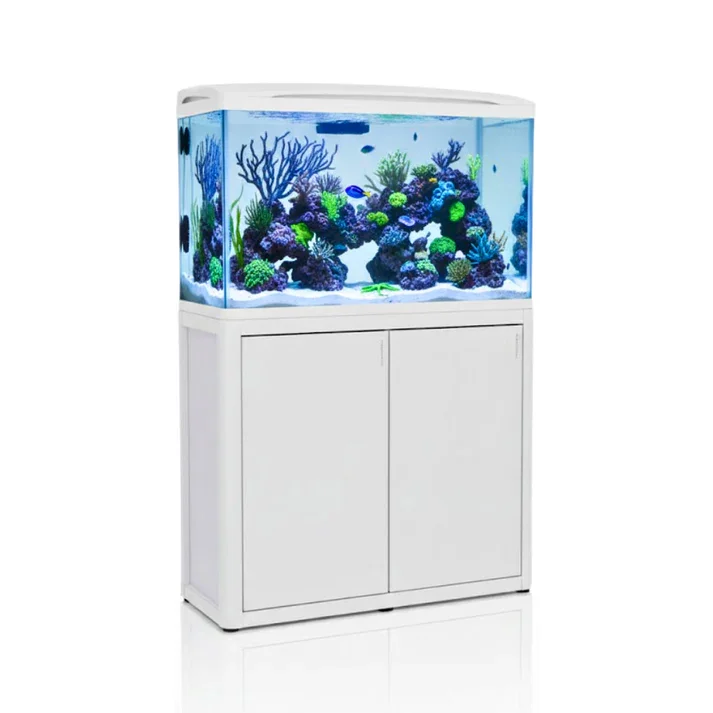
When you buy fish tank supplies, focus on the core system rather than collecting unnecessary accessories. A suitable tank, correctly matched filter, heater where needed, lighting, substrate, water conditioner, bacteria support, test kit, thermometer, and suitable food form the base of most successful aquariums.
Each supply should solve a clear problem. The filter manages waste, the heater steadies temperature, the conditioner makes tap water safer, the test kit shows what is happening, and food affects both animal health and water quality.
Ready to take the next step? We are here to help you get it right the first time:
- Browse fish tank supplies to find high-quality, hand-picked gear for your setup.
- Visit the fish store for personalised advice and chat with our team to get a tailored shopping list.
- Read expert aquarium guides and check out our buy fish tank complete guide to master your tank setup and ongoing care.